
Table of Contents
Cocoa production is a global industry, but it generates massive waste. Approximately 70-80% of the cocoa fruit consists of pod husks, shells, and pulp. These are considered wastes and are often discarded in landfills which causes environmental pollution. Instead of discarding, these materials can be transformed into high-quality organic fertilizer through composting. The 20 t/h cocoa compost fertilizer production plant by LANE Heavy Industry is designed for efficiency and converts cocoa waste into nutrient-dense organic compost. This supports sustainable agriculture and enriches soil and boosts crop yields.
LANE Heavy Industry, a leader in heavy machinery with decades of experience, has engineered the 20 t/h cocoa compost fertilizer production plant to be efficient, reliable, and tailored to the unique needs of cocoa waste processing. This article takes you inside such a facility, revealing how advanced engineering turns cocoa waste into rich soil conditioner.
Cocoa pod husks account for 70-80% of the whole fruit. After the extraction of cocoa, they are discarded and generate methane and contaminate water sources. This waste can become a nutrientdense fertilizer rich in potassium, phosphorus, and organic matter. For cocoa farmers, using this fertilizer closes the nutrient loop; for investors, it opens a lucrative market in the booming organic fertilizer sector. A 20 t/h cocoa compost fertilizer production plant solves the waste problem while creating a profitable, sustainable business.
LANE Heavy Industry has engineered a complete production line tailored specifically for highcapacity composting. Our systems are designed to handle the unique characteristics of cocoa waste like high moisture, fibrous texture, and variable raw material composition. The organic fertilizer production plant delivered by LANE integrates crushing, precise mixing, aerobic fermentation, granulation, drying, cooling, and packaging equipment. Our designed line and integrated system work together into a seamless automated solution that achieves 20 tons per hour output with minimal downtime.
LANE production machines are built to work together seamlessly. The production flow of a 20 t/h cocoa compost fertilizer production plant is:
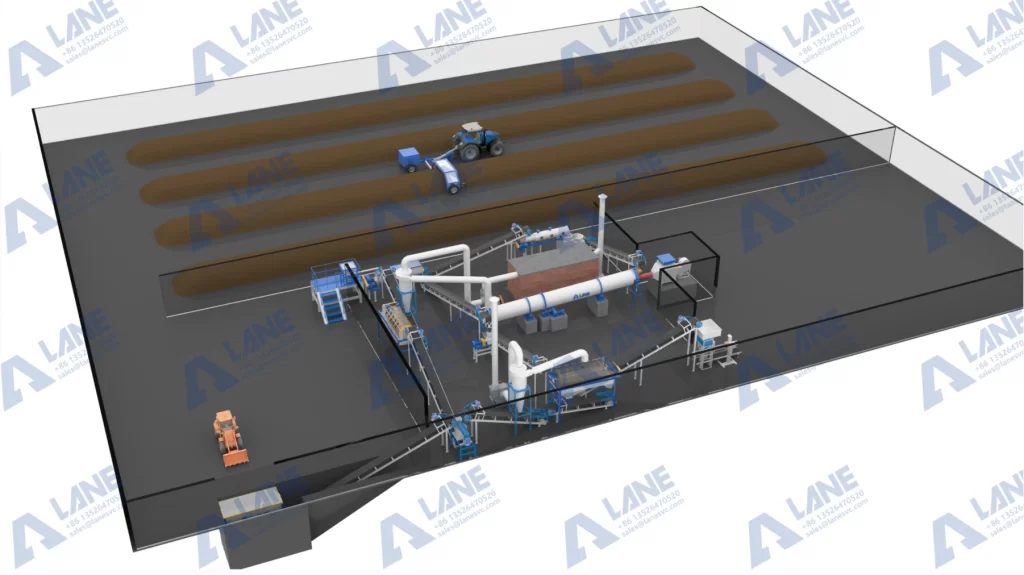
LANE Heavy Industry provides all core equipment for a 20 t/h cocoa compost fertilizer production plant, manufactured to ISO and CE standards.
All equipment is backed by LANE’s global service network. Our durable machinery with advanced production techniques ensures that a 20 t/h cocoa compost fertilizer production plant remains productive for decades.
Investing in a 20 t/h cocoa compost fertilizer production plant brings measurable benefits:
With LANE’s fertilizer production plant, operators recover their capital investment within 18-24 months, thanks to the combination of waste treatment fees and fertilizer sales.
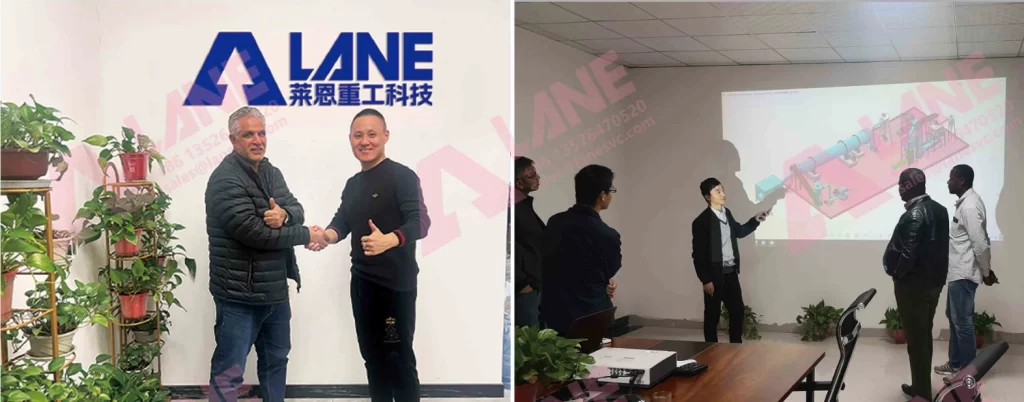
LANE Heavy Industry has decades of experience in designing fertilizer production lines. When you commission a 20 t/h cocoa compost fertilizer production plant from LANE, you receive:
Q1: What raw materials can be processed in a 20 t/h cocoa compost fertilizer production plant?
A: The plant is specifically designed for cocoa pod husks, pulp, and bean shells, but can also accept other agricultural residues such as coffee pulp, rice husks, and palm empty fruit bunches when properly blended.
Q2: How much space is required for a 20 t/h cocoa compost fertilizer production plant?
A: LANE provides sitespecific layouts, but typically a facility with fermentation area, processing hall, and finished product warehouse requires 5,000–8,000 m² depending on the configuration.
Q3: What is the moisture requirement for the raw material?
A: Cocoa waste often enters with 70–80% moisture. The LANE system includes dewatering and aeration stages to optimize the mix before granulation. A 20 t/h cocoa compost fertilizer production plant can handle highmoisture inputs efficiently.
Q4: Can the plant produce other types of organic fertilizer?
A: Yes. With minor adjustments to the mixing and granulation sections, the same 20 t/h cocoa compost fertilizer production plant can produce bioorganic fertilizer, NPKenriched organic blends, or soil conditioners for different crops.
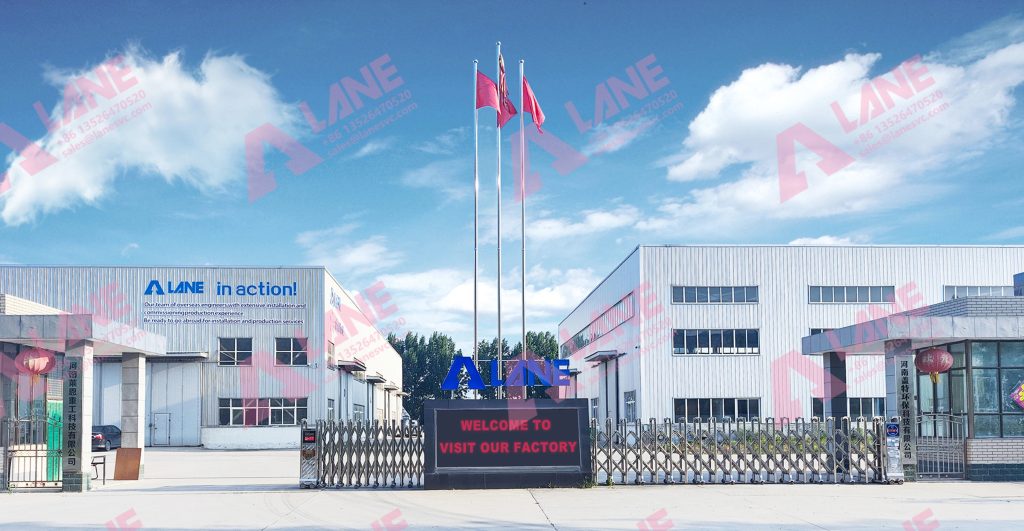
Henan Lane Heavy Industry Machinery Technology Co., Ltd.
Email: sales@lanesvc.com
Contact number: +86 13526470520
Whatsapp: +86 13526470520