
Composting is one of the most natural ways to recycle organic waste. Farms, fertilizer plants, and recycling facilities all rely on composting to turn waste into valuable fertilizer. However, traditional composting often requires heavy manual work and constant monitoring.
This is where an automated compost turning system becomes very useful. It helps mix and aerate compost automatically. The process becomes faster, cleaner, and more consistent.
In many fertilizer production plants today, the automated compost turning system has become an important part of the composting process. It helps ensure that organic materials break down evenly and efficiently.
This article will explain what an automated compost turning system is, how it works, and why it is becoming a popular choice in modern composting facilities.
An automated compost turning system is a machine-based solution designed to turn and mix compost piles automatically.
During composting, organic materials like animal manure, crop waste, food waste, and agricultural residues need oxygen to decompose properly. Without regular turning, compost piles can become compacted and slow down the decomposition process.
The automated compost turning system solves this problem.
Instead of workers turning compost manually, the system uses specialized equipment to mix and aerate the compost regularly. This improves airflow and speeds up microbial activity.
A typical automated compost turning system includes:
Together, these components create a smooth and efficient composting process.
Turning compost is one of the most important steps in organic fertilizer production.
When compost piles are turned, several important things happen:
Microorganisms need oxygen to break down organic matter. Turning the compost allows fresh air to enter the pile.
During decomposition, compost piles produce heat. Turning spreads this heat evenly so the entire pile decomposes properly.
Turning also helps distribute moisture throughout the pile, preventing overly wet or dry areas.
Regular turning speeds up microbial activity. This means compost can mature much faster.
Using an automated compost turning system makes these processes easier and more consistent.
The working process of an automated compost turning system is simple but very effective.
Step 1: Raw Material Preparation
Organic materials are first collected and mixed. Common materials include:
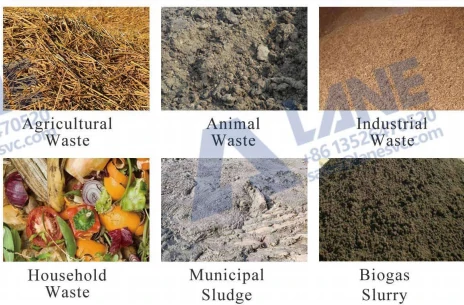
These materials are placed in long compost rows or fermentation tanks.
Step 2: Automatic Turning
The automated compost turning system moves along the compost rows and mixes the materials. Rotating blades or drums lift and flip the compost.
This process:
Breaks up compacted material
Adds oxygen
Mixes moisture and nutrients
Step 3: Aerobic Fermentation
After turning, microorganisms begin to break down the organic matter rapidly. Heat builds up inside the pile.
The automated compost turning system continues to turn the compost at scheduled intervals.
Step 4: Compost Maturation
After several weeks, the compost becomes dark, crumbly, and rich in nutrients. At this stage, it can be processed into organic fertilizer.
Different composting facilities require different equipment. There are several types of automated systems available.
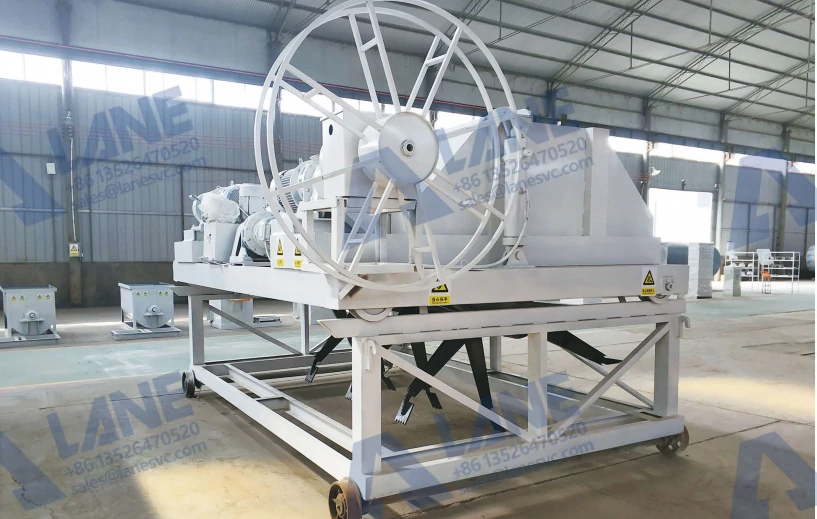
Groove-Type Compost Turning System
This system operates on rails or tracks installed above compost trenches.
The turning machine moves automatically along the groove, turning the compost piles efficiently.
This type of automated compost turning system is commonly used in large fertilizer plants.
A self-propelled machine moves directly on the compost rows.
It is flexible and suitable for outdoor composting areas.
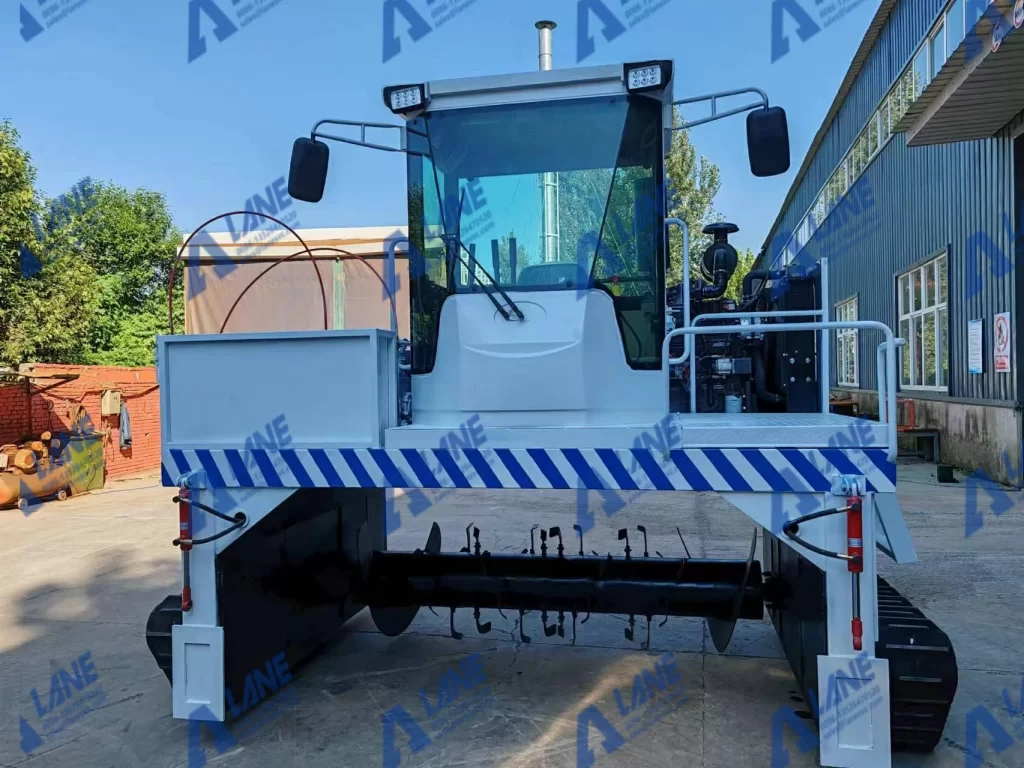
Chain Plate Compost Turning System
This design uses a chain plate mechanism to lift and mix compost materials.
It works well for continuous composting processes.
Each type of automated compost turning system can be selected depending on production scale and site conditions.
Many composting facilities are switching to automated systems because of their clear benefits.
Labor Savings
Manual compost turning requires many workers. Automation greatly reduces labor needs.
Faster Compost Production
Better aeration speeds up microbial activity. Composting time becomes shorter.
Consistent Compost Quality
Machines provide uniform turning. This ensures consistent decomposition.
Improved Sanitation
Automated systems reduce direct human contact with organic waste.
Higher Production Capacity
Large composting operations can process more material using automation.
Because of these advantages, the automated compost turning system has become essential for modern organic fertilizer plants.
The automated compost turning system is widely used in many industries.
Organic Fertilizer Production
Fertilizer plants use compost turning systems to process manure and agricultural waste.
Livestock Farms
Large farms generate significant manure waste. Composting helps convert it into valuable fertilizer.
Food Waste Recycling
Cities and recycling facilities use composting to manage organic waste.
Agricultural Waste Treatment
Crop residues and straw can be composted instead of burned.
In all these situations, the automated compost turning system improves efficiency and environmental sustainability.
Selecting the right equipment is important for successful composting.
Here are some factors to consider:
Production Capacity
Large fertilizer plants require high-capacity systems.
Composting Method
Indoor fermentation grooves or outdoor windrows may require different machines.
Raw Material Type
Different organic materials have different moisture levels and densities.
Available Space
The layout of the composting facility affects equipment choice.
A well-designed automated compost turning system ensures smooth and efficient compost production.
As a company with more than 20 years of industry experience, we specialize in designing and manufacturing advanced fertilizer production equipment.
Our company provides customized solutions that include the automated compost turning system as a key component of organic fertilizer production lines.
We understand that every fertilizer plant has unique needs. That is why we offer tailored equipment designs based on raw materials, production capacity, and site conditions.
Our production lines meet international quality standards such as ISO9001 and CE certification. This ensures reliability, safety, and long service life.
Beyond equipment manufacturing, we also provide:
From the early planning stage to full operation, we work closely with our clients to ensure that their fertilizer production systems run efficiently.
With our experience and technical support, customers can confidently build modern composting facilities using an automated compost turning system.

To keep equipment running smoothly, regular maintenance is important.
Regular Cleaning
Remove organic residue and debris from the machine.
Lubrication
Moving parts should be lubricated regularly to reduce wear.
Inspection
Check chains, blades, and motors periodically.
Proper Operation
Operators should follow recommended operating procedures.
With proper maintenance, an automated compost turning system can operate efficiently for many years.
Sustainable agriculture is becoming more important worldwide. Composting plays a key role in recycling organic waste and producing environmentally friendly fertilizers.
New technologies are improving composting systems. Smart sensors, automatic monitoring, and intelligent control systems are being integrated into modern facilities.
In the future, the automated compost turning system will continue to evolve. These improvements will make composting faster, more efficient, and more environmentally friendly.
Composting transforms organic waste into valuable fertilizer. However, traditional composting methods can be labor-intensive and slow.
An automated compost turning system provides a simple and effective solution. It improves aeration, speeds up decomposition, and ensures consistent compost quality.
For farms, fertilizer plants, and waste recycling facilities, investing in an automated compost turning system can greatly improve productivity and sustainability.
With the right equipment and professional support, composting can become a reliable and profitable part of modern agricultural production.
Henan Lane Heavy Industry Machinery Technology Co., Ltd.
Email: sales@lanesvc.com
Contact number: +86 13526470520
Whatsapp: +86 13526470520