
Table of Contents
Organic fertilizer is the backbone of sustainable agriculture. Organic nutrients replace or reduce chemical dependency while enriching soil health and enhancing crop nutrition. The growing demand for sustainable agriculture has now put organic fertilizer into the spotlight. However, producers need to implement the best practices for organic fertilizer production to ensure high-quality output, consistent nutrient content, and long-term soil health. The quality of organic fertilizer depends on adhering to the best practices for organic fertilizer production.
LANE Heavy Industry, a leader in agricultural machinery, has designed a comprehensive organic fertilizer production line that embeds the best practices for organic fertilizer production into every stage of the production process. This article explores the methods and technologies designed by LANE to make organic fertilizer production both sustainable and profitable.
Organic fertilizers are made from biodegradable organic materials like plant and animal waste, fishing industry wastes, and other natural sources. Organic fertilizer releases nutrients slowly to improve soil structure and boost microbial activity. Organic fertilizers typically contain nitrogen (N), phosphorus (P), and potassium (K), essential for plant growth.
Using organic fertilizers aligns with ecological farming practices. It reduces soil degradation and supports long-term agricultural productivity. Understanding these fundamentals is crucial for implementing the best practices for organic fertilizer production.
Following the best practices for organic fertilizer production ensures consistency, efficiency, and nutrient richness. Producers who adhere to these practices can:
By combining scientific principles, mechanical innovations, and sustainable methods, these practices form the backbone of successful fertilizer production.
The foundation of high-quality organic fertilizer lies in raw materials. Best practices for organic fertilizer production emphasize careful selection and preparation of:
The preparation stage involves shredding large materials, balancing carbon-to-nitrogen ratios, and ensuring optimal moisture content. Properly prepared raw materials shorten composting time and improve nutrient availability.
Composting is the cornerstone of best practices for organic fertilizer production. Efficient composting converts raw materials into nutrient-rich, stable fertilizer. Key techniques include:
These techniques, when applied consistently, result in compost with high nutrient value and improved soil enhancement potential.
LANE Heavy Industry provides advanced machinery that streamlines best practices for organic fertilizer production. Their production lines include:
Integrating these machines into production lines ensures efficiency, scalability, and consistent nutrient-rich output.
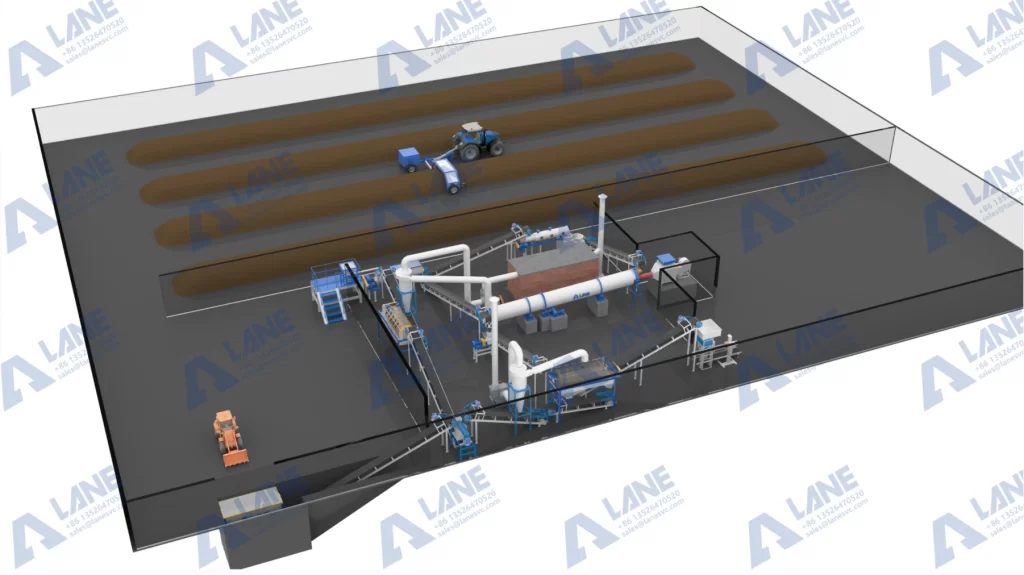
In LANE’s design, quality control is an essential part. The best practices for organic fertilizer production involve rigorous quality control. Key steps include:
By implementing these controls, producers guarantee a premium organic fertilizer product that benefits both crops and the environment.
Proper storage and handling preserve nutrient quality and prevent contamination. Best practices include:
These measures help maintain the marketability and effectiveness of organic fertilizer. This reinforces the best practices for organic fertilizer production.
Following best practices for organic fertilizer production not only benefits crops but also the environment:
Sustainable fertilizer production supports regenerative agriculture. This benefits both farmers and the planet.
No matter how prepared a producer is, they will face challenges even with advanced machinery and established practices. These challenges may include:
By anticipating these challenges, producers can maintain consistent output and uphold the best practices for organic fertilizer production.
Implementing the best practices for organic fertilizer production is crucial for achieving high-quality, nutrient-rich fertilizer that benefits crops, soil, and the environment. From raw material selection and preprocessing to controlled fermentation, nutrient adjustment, and quality control, every step of the process plays a critical role in producing high-quality, nutrient-rich organic fertilizer. By carefully selecting raw materials, optimizing composting techniques, and utilizing advanced machinery from LANE Heavy Industry, producers can maximize nutrient retention, reduce waste, and achieve sustainable growth.
Q1: What is the ideal raw material ratio for organic fertilizer?
A: Based on raw material A carbon-to-nitrogen (C:N) ratio of 25–35:1 is optimal for efficient composting.
Q2: How long does the composting process take?
A: Aerobic composting typically requires 30–60 days, depending on materials and environmental conditions.
Q3: Can LANE Heavy Industry machinery handle large-scale production?
A: Yes, their production lines are designed for scalability and continuous operation.
Q4: How often should compost be turned?
A: Best practices for organic fertilizer production suggest turning every 5–7 days to ensure uniform decomposition.
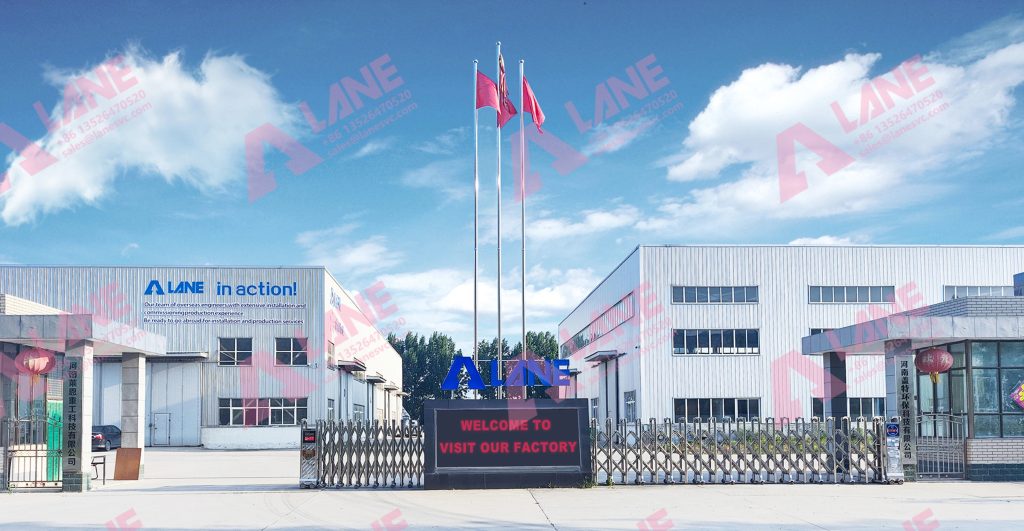
Henan Lane Heavy Industry Machinery Technology Co., Ltd.
Email: sales@lanesvc.com
Contact number: +86 13526470520
Whatsapp: +86 13526470520