
Table of Content
Ghana is one of the world’s top cocoa producers. It produces approximately 800,000 to 1 million tons of cocoa pod husks annually. Most of this waste is discarded or burned, causing environmental issues like methane emissions and fungal disease spread while also wasting a valuable resource. This resource represents a million-dollar investment opportunity for entrepreneurs. Investing in a Cocoa waste organic fertilizer plant in Ghana not only addresses the waste removal problem but also provides an economic advantage by tapping into a booming market.
Organic agriculture is growing in Ghana. Local farmers and agribusinesses are seeking sustainable, cost-effective fertilizers to boost cocoa yields and soil health. A cocoa waste organic fertilizer plant in Ghana can transform cocoa wastes into organic fertilizer containing essential elements like potassium (2.5–3.5%), phosphorus (0.5–1%), and nitrogen (1–2%). With the help of LANE Heavy Industry’s organic fertilizer production line, producers can create certified organic fertilizers.

Market Demand Drivers: Ghana’s agricultural sector is facing declining soil fertility. Because of acidic soils and over-reliance on chemical fertilizers, cocoa yields are dropping from optimal levels. The Ghana Cocoa Board (COCOBOD) is actively promoting organic soil amendments, creating a captive market for organic fertilizer producers.
Government Support: The Ghanaian government, through COCOBOD and the Ministry of Food and Agriculture, is providing certification pathways and distribution partnerships for approved organic fertilizer products. Establishing a cocoa waste organic fertilizer plant in Ghana positions investors to access these institutional markets.
The Resource: Cocoa Pod Husks (CPH)
The cocoa pods consist of 70–75% husk material. This means for every ton of cocoa beans produced, approximately three tons of husk waste are generated. Farmers dispose of this waste by burning or leaving it to rot. It creates methane, a dangerous greenhouse gas.
The Product: Organic Fertilizer
Processed cocoa waste produces fertilizer with:
The Market
Organic fertilizer from a cocoa waste organic fertilizer plant in Ghana serves:
LANE Heavy Industry offers organic fertilizer production equipment designed for high-fiber materials like cocoa husks. Our complete production line transforms raw cocoa waste into market-ready organic fertilizer through four integrated stages.
4.1 Pre-Treatment & Crushing Equipment
Cocoa pods are tough and fibrous. They require specialized high-torque crushers for size reduction. These crushers break down cocoa waste into fine particles.
4.2 Fermentation & Composting Systems
Fermentation is the most important step of the organic fertilizer plant. It determines the fertilizer quality. LANE offers two composting solutions for a cocoa waste organic fertilizer plant in Ghana:
Windrow Composting Systems
Closed Aerobic Fermenters
4.3 Granulation & Formulation Machinery
Granulation transforms composted material into uniform, easy-to-apply fertilizer granules. LANE’s customizable fertilizer pelletizers for cocoa waste include:
Stirring Pin Granulators
Rotary Drum Granulators
4.4 Drying, Cooling & Packaging Line
The final stage ensures that organic granules are stable and ready for the market.
Complete Turnkey Solution
LANE provides end-to-end support for establishing your cocoa waste organic fertilizer plant in Ghana. We include:
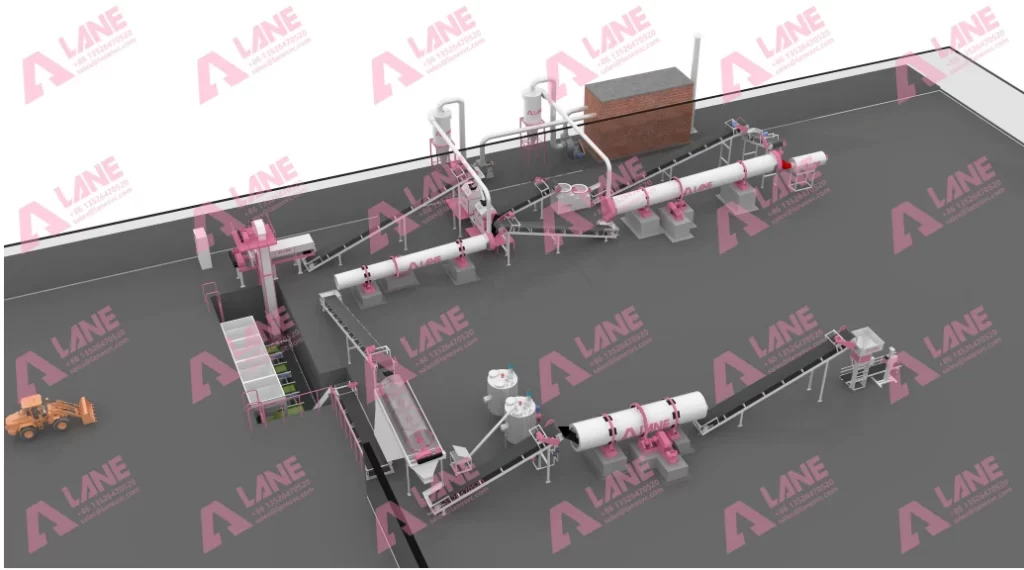
A successful cocoa waste organic fertilizer plant in Ghana requires:
Land Requirements for Plant
Location considerations:
Building Specifications
Utilities
Q1: What makes LANE Heavy Industry’s equipment suitable for cocoa waste processing?
LANE specializes in cocoa pod organic fertilizer production equipment designed for high-fiber materials. Their machines feature corrosion-resistant components, high-torque motors for fibrous material, and customizable configurations for different production scales. They also provide turnkey solutions including installation and training for your cocoa waste organic fertilizer plant in Ghana.
Q2: How much land do I need for a cocoa waste organic fertilizer plant in Ghana?
A starter plant requires 0.5-1 acre, while medium commercial operations need 2-3 acres. Industrial-scale facilities require 5+ acres. The land should accommodate composting areas, production halls, warehouses, and future expansion.
Q3: What certifications do I need to operate a cocoa waste organic fertilizer plant in Ghana?
You need business registration, Environmental Protection Agency permit, and product certification from COCOBOD or the Ministry of Food and Agriculture. Organic certification (e.g., Ecocert, Control Union) enables premium pricing but adds 15-30% to certification costs .
Q4: How do I source cocoa waste consistently?
Establish relationships with:
Many farmers currently discard husks and will provide them for nominal collection fees.
Q5: What is the expected ROI for a cocoa waste organic fertilizer plant in Ghana?
Based on industry data, equipment costs can be recovered within 1.5-2 years through sales. Medium-scale plants (5-10 tons/hour) typically achieve annual revenues of $2-3 million with operating margins of 60-70% due to low raw material costs.
Q6: Can I use the same equipment for other organic waste?
Yes, LANE’s production line handles various organic materials including cassava residue, palm kernel shells, and crop straw. This flexibility allows you to diversify raw material sources and product offerings.
Q7: What support does LANE provide after installation?
LANE offers 5-year warranties on equipment, online technical support, free replacement parts during warranty period, and optional service contracts for ongoing maintenance
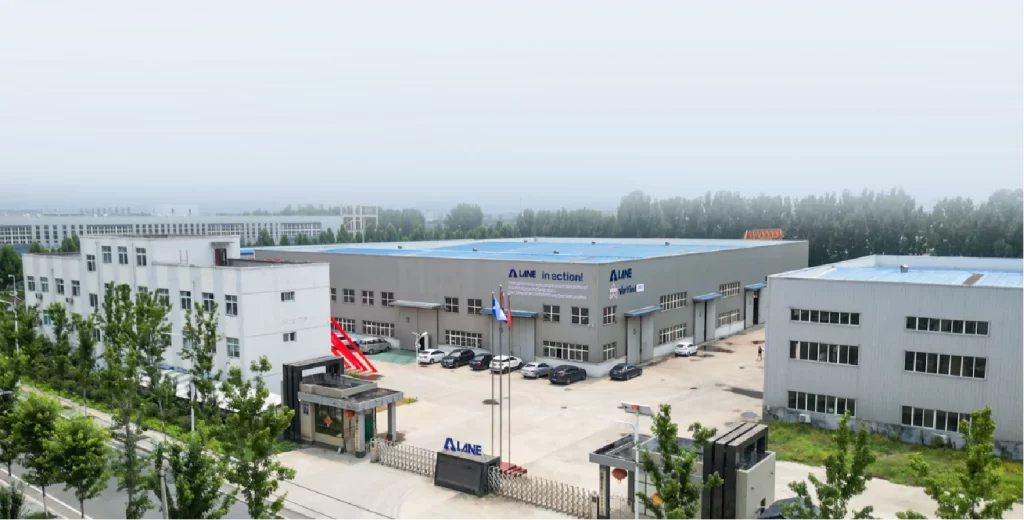
Henan Lane Heavy Industry Machinery Technology Co., Ltd.
Email: sales@lanesvc.com
Contact number: +86 13526470520
Whatsapp: +86 13526470520