
In the world of organic farming and gardening, the debate between organic compost vs organic granule fertilizer has been a topic of interest for many years. Each has its own advantages. Choosing the right type of organic soil amendment is critical for boosting crop yield, improving soil health, and reducing environmental impact. The most used organic soil amendments are organic compost and organic granule fertilizer, especially when comparing organic compost vs organic granule fertilizer for different farming needs.
As the demand for organic fertilizers continues to grow, understanding organic compost vs organic granule fertilizer is essential for farmers, gardeners, and agricultural businesses to make informed decisions that align with their goals. This article dives deep into the pros, cons, and ideal uses of both, with the help of years of experience from LANE Heavy Industry, providing clear insights into organic compost vs organic granule fertilizer applications.
Organic compost is decomposed material made from organic raw materials such as plants, food waste, and manure. It is a highly nutritious, natural fertilizer that enriches soil by adding essential organic matter. The process of composting occurs when microorganisms break down organic materials into humus, which is a dark, nutrient-dense material that enhances the soil’s ability to retain moisture, improve aeration, and promote healthy plant growth.
Compost is ideal for gardeners looking for a solution to improve soil quality and support long-term plant health. It provides slow-release nutrients that plants can feed on over time. Organic compost reduces waste by repurposing organic materials that would otherwise end up in landfills.
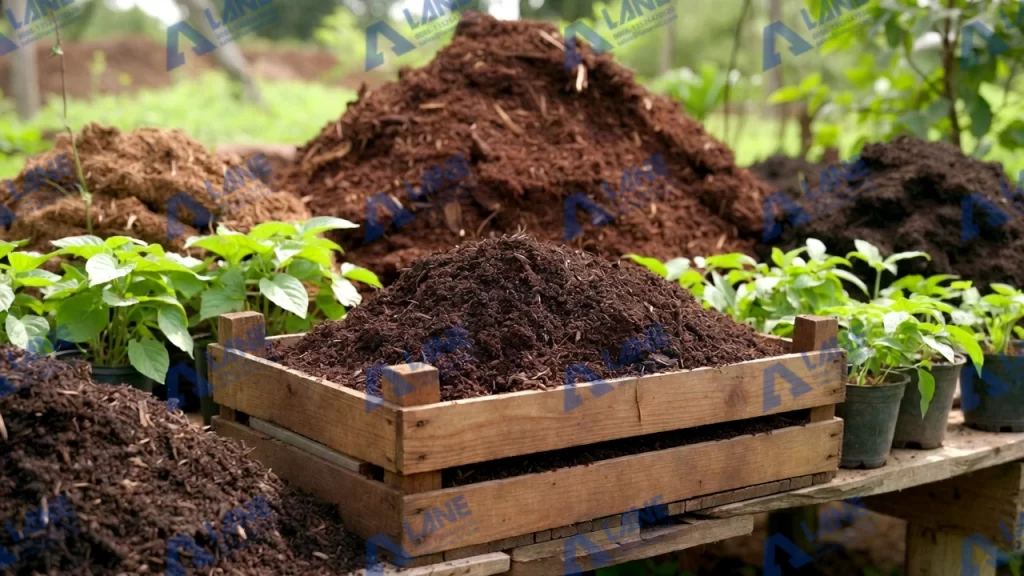
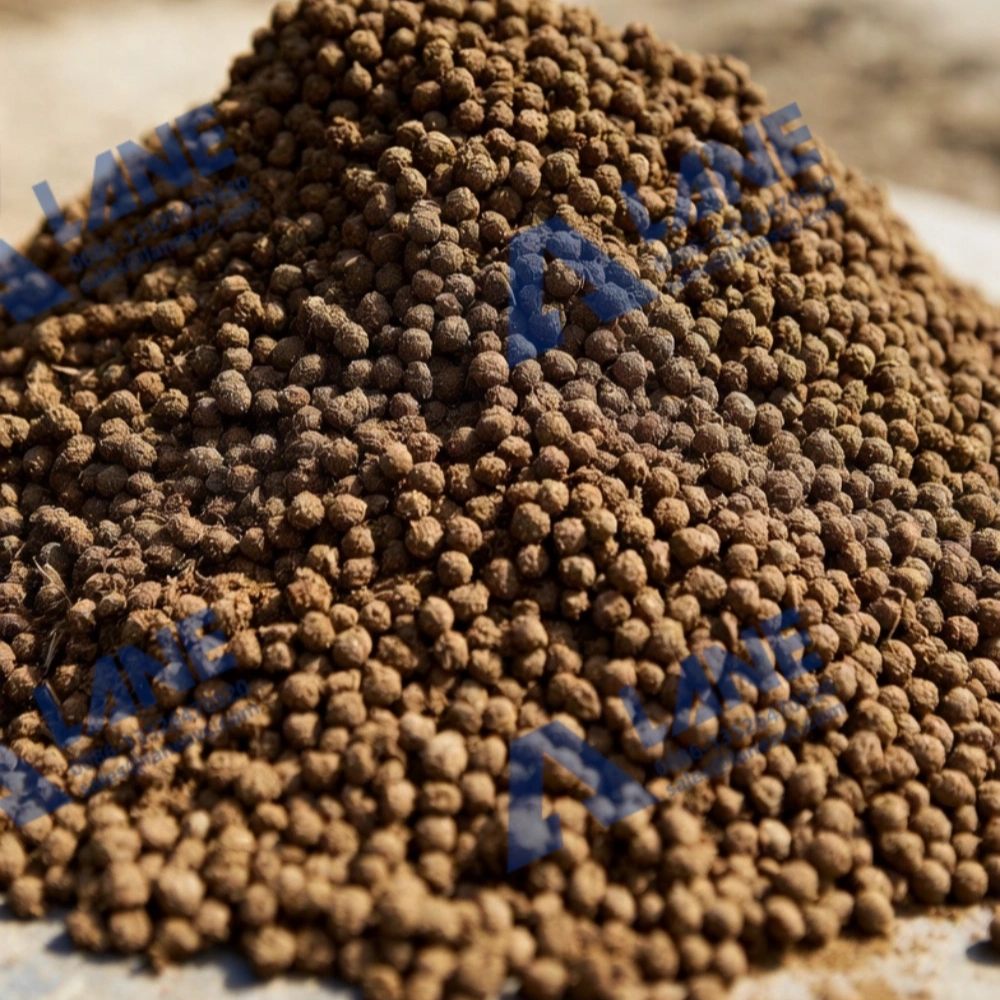
Organic granule fertilizer is another form of organic fertilizer. It is processed and manufactured into granules, making it easier to apply, store, and control. The granules are designed to dissolve slowly and release nutrients in a controlled manner.
Granulated fertilizers are useful for large-scale farming operations or situations where uniform application and precise nutrient delivery are necessary. Unlike organic compost, organic granule fertilizers are formulated to address specific nutrient deficiencies quickly, providing an immediate boost to plants.
When choosing between organic compost vs organic granule fertilizer, it’s important to consider the advantages and disadvantages of each. Both have their place in sustainable agriculture and gardening. They have different uses:
4.1. Pros and Cons of Organic Compost
Pros:
Cons:
4.2. Pros and Cons of Organic Granule Fertilizer
Pros:
Cons:
When deciding between organic compost vs organic granule fertilizer, there are a few key factors to consider:
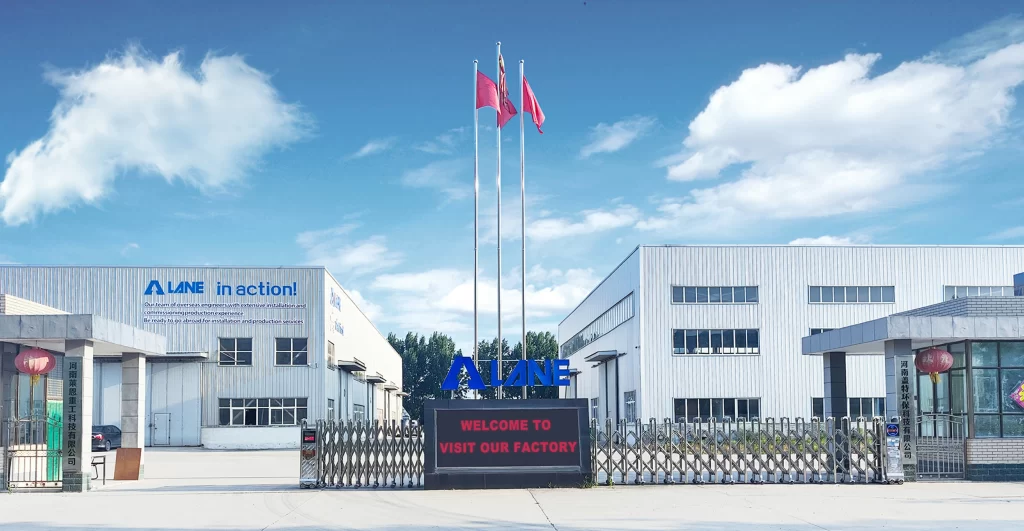
LANE Heavy Industry has been producing organic fertilizer-making machinery for over 20 years. This company has pioneered the development of machinery that streamlines the production of both organic compost and organic granule fertilizer. The organic fertilizer production line developed with LANE Heavy Industry’s machinery has made the process more efficient and cost-effective.
The organic fertilizer production line by LANE Heavy Industry includes composting systems, granulation equipment, and drying systems, all designed to maximize production efficiency while maintaining sustainability.
Organic compost improves soil structure and provides slow-release nutrients, whereas organic granule fertilizer offers a faster release of nutrients for quick plant growth. Granules are easier to apply and more suitable for large-scale farming when discussing organic compost vs organic granule fertilizer choices.
Organic compost is better for improving long-term soil health by adding organic matter and enhancing microbial activity. Granule fertilizers provide immediate nutrients but do not significantly improve soil structure, which is a key consideration in organic compost vs organic granule fertilizer decision-making.
Yes, using both together can offer a balanced approach, with compost enhancing soil health over time and granule fertilizers giving plants an immediate nutrient boost.
LANE Heavy Industry provides advanced machinery that helps efficiently produce both organic compost and granule fertilizers. Their organic fertilizer production line helps streamline the process and improve the quality of organic fertilizers.
The organic fertilizer production line in Belarus helps provide a sustainable and efficient solution for producing high-quality organic fertilizers, benefiting farmers by offering reliable, eco-friendly products.
The choice between organic compost vs organic granule fertilizer is not a matter of which is “better,” but which is more suitable for your specific needs. Organic compost excels at improving soil health, structure, and microbial activity, making it ideal for soil remediation, small-scale gardening, and long-term soil fertility. Organic granule fertilizer, on the other hand, offers concentrated, controlled nutrient release, easy application, and customization, making it perfect for large-scale farming, targeted crop nutrition, and areas with limited storage.
The debate between organic compost vs organic granule fertilizer can be resolved by understanding their pros, cons, and ideal uses. You can choose the right product to enhance your agricultural practices.
For more details, please feel free to contact us.
Henan Lane Heavy Industry Machinery Technology Co., Ltd.
Email: sales@lanesvc.com
Contact number: +86 13526470520
Whatsapp: +86 13526470520