
Table of Contents
Rice straw is an abundant agricultural waste generated in rice-producing regions. It has been underutilized worldwide. Traditionally it is used for burning, which causes environmental pollution and resource waste. Organic fertilizer is essential for modern sustainable farming. Rice straw is one of the most promising raw materials for organic fertilizer. The commercial production of organic fertilizer from rice straw provides a sustainable solution for crop nutrients and addresses the disposal problem of rice straw.
Organic fertilizer from rice straw is a nutrient-rich, eco-friendly alternative to chemical fertilizers. It offers improved soil structure, enhanced soil fertility, promotes beneficial microbial activity, and reduces environmental harm. This article focuses on the commercial production process using LANE Heavy Industry’s advanced machinery and analyzes the current market demand for organic fertilizer from rice straw.
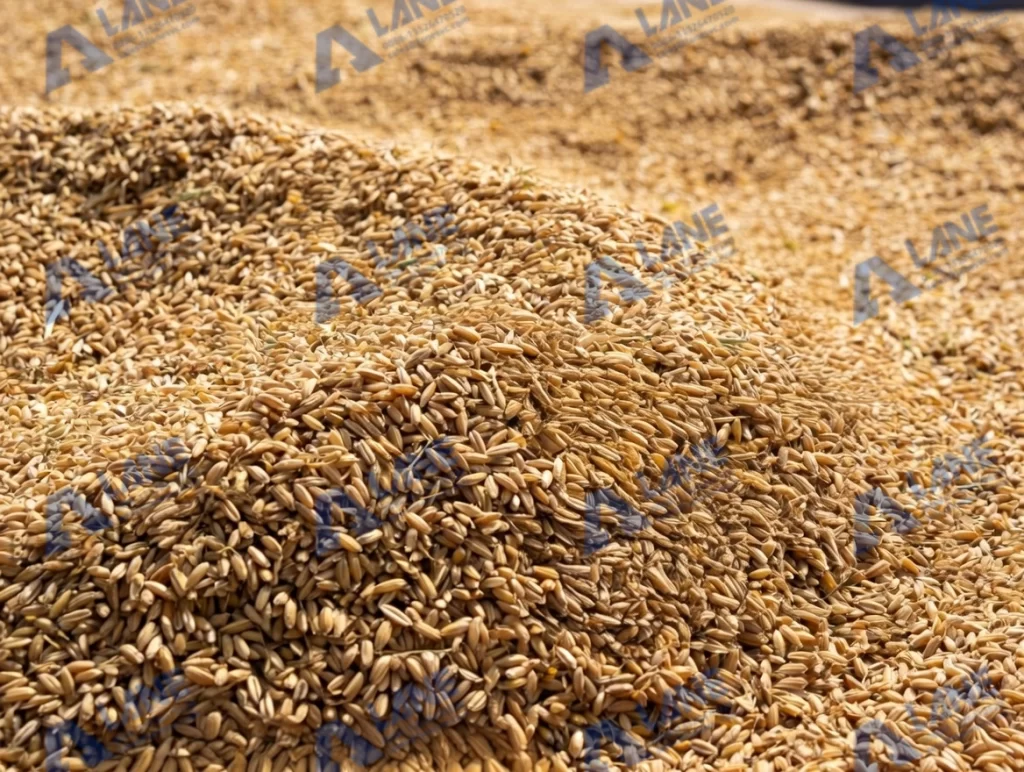
The global demand for organic fertilizer is rising rapidly due to growing awareness of soil health and eco-friendly farming practices. Farmers increasingly prefer organic fertilizers over chemical alternatives to improve long-term soil fertility and yield quality. The production of organic fertilizer from rice straw targets this growing market, particularly in regions with high rice cultivation such as Asia, Africa, and Latin America.
The organic fertilizer market is projected to grow at an annual rate of 8–10%. Years of chemical fertilizer usage has destroyed the microbial life of the soil. To balance this, farmers and agribusinesses are adapting to organic fertilizer. With abundant rice straw available, converting this agricultural residue into fertilizer is both economically and environmentally advantageous.
Rice straw is a lignocellulosic material. It is rich in organic matter but low in nitrogen content. Proper processing is required to convert it into nutrient-rich fertilizer. Using organic fertilizer from rice straw improves soil structure, enhances microbial activity, and increases nutrient retention. Moreover, utilizing rice straw for fertilizer production reduces the practice of open-field burning, a major source of air pollution.
LANE Heavy Industry offers customized advanced production lines for organic fertilizer from rice straw. Our state-of-the-art production system includes:
This integrated solution ensures high output, energy efficiency, and consistent product quality, suitable for commercial-scale operations.
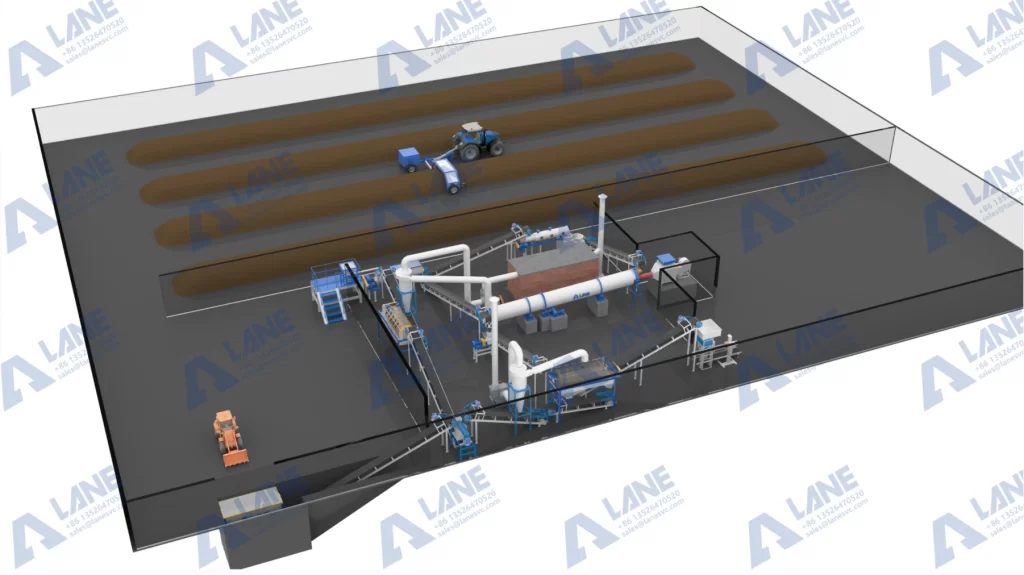
The production of organic fertilizer from rice straw involves several key steps:
Each step is optimized in LANE Heavy Industry’s production line to maintain nutrient integrity and ensure large-scale efficiency.
Using organic fertilizer from rice straw offers multiple advantages:
For maximum benefit, organic fertilizer from rice straw should be applied according to crop type and soil conditions:
Please read the package before applying the fertilizer. Applying the organic fertilizer at the correct growth stages ensures nutrient availability and crop yield sustainability.
Converting rice straw into organic fertilizer reduces environmental hazards:
The production of organic fertilizer from rice straw aligns with global sustainable agriculture goals.
Investing in a commercial organic fertilizer from rice straw production line can yield substantial returns:
LANE Heavy Industry’s machinery provides efficiency gains, reduces labor costs and production time, and enhances overall ROI.
While promising, commercial production faces some challenges:
Proper management and technology adoption can overcome these hurdles, making organic fertilizer from rice straw production highly feasible.
The commercial-scale production of organic fertilizer from rice straw is a sustainable, profitable venture. It addresses agricultural waste management, soil degradation, and the growing demand for organic agriculture. LANE Heavy Industry’s machinery makes large-scale production efficient and reliable. With our production line, farmers can maximize the benefits of organic fertilizer from rice straw, improving soil health, crop yield, and profitability. As the world moves toward more sustainable agriculture, organic fertilizer from rice straw will play an increasingly important role, and LANE Heavy Industry’s machinery will remain a key enabler of its commercial success.
Q1: What is the main advantage of organic fertilizer from rice straw?
A1: It improves soil fertility, enhances microbial activity, and reduces environmental pollution.
Q2: Can rice straw fertilizer replace chemical fertilizers?
A2: While it cannot completely replace chemical fertilizers, it significantly reduces their usage and supports long-term soil health.
Q3: Is LANE Heavy Industry’s machinery suitable for small-scale production?
A4: Their equipment is primarily designed for commercial-scale production but can be adapted for medium-scale operations.
Q4: How long does it take to produce organic fertilizer from rice straw?
A5: With LANE Heavy Industry’s production line, the process from raw straw to finished fertilizer takes about 15–20 days, depending on environmental conditions and composting techniques.
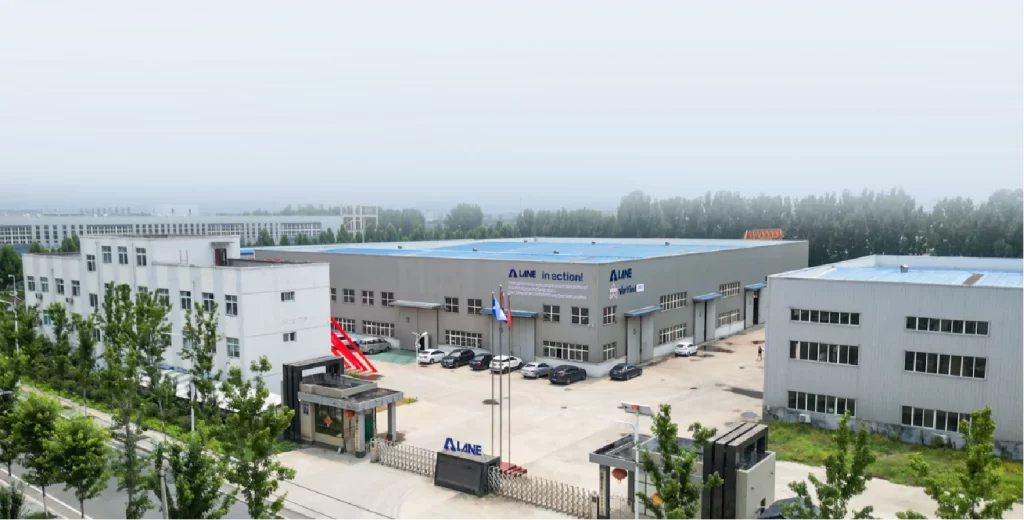
Henan Lane Heavy Industry Machinery Technology Co., Ltd.
Email: sales@lanesvc.com
Contact number: +86 13526470520
Whatsapp: +86 13526470520