
Table of Contents
Sugarcane bagasse, the fibrous residue left after sugar juice extraction, is a valuable agricultural waste. It can be transformed into high-quality organic fertilizer. Every year, millions of tons of sugarcane bagasse are generated annually by sugar mills worldwide. This creates disposal and environmental challenges. Organic fertilizer from sugarcane bagasse is the solution for this problem. This fertilizer solves the disposal problem and provides farmers with an eco-friendly alternative to chemical fertilizers.
Organic fertilizer from sugarcane bagasse is rich in organic matter, cellulose, lignin, and essential nutrients like nitrogen, phosphorus, and potassium. This makes it ideal for improving both soil health and crop productivity. LANE Heavy Industry, a leading manufacturer of agricultural machinery, offers customized commercial production lines designed to streamline the process of making organic fertilizer from sugarcane bagasse.
The market for organic fertilizers continues to expand rapidly. This growth is driven by consumer demand for sustainably grown food and farmers’ need for soil health restoration. Organic fertilizer from sugarcane bagasse offers several compelling advantages:
Henan LANE Heavy Industry Machinery Technology Co., Ltd offers customized solutions for manufacturing organic fertilizer from sugarcane bagasse. Our fully automated production system handles all processes from raw material intake to finished product packaging. We can manufacture production plants for capacities ranging from 1 to 50+ tons per hour.
We design the equipment based on the specific challenges of fibrous materials like sugarcane bagasse. Our engineering team customizes each production line based on raw material characteristics, local climate conditions, and customer capacity requirements.
Step 1: Raw Material Preparation
The journey begins with collection and preparation of raw materials. Firstly, the bagasse should be shredded to uniform particle size using LANE’s heavy-duty crushers. Our crushers are engineered to handle fibrous agricultural residues without clogging. Then we prepare the raw material to a 25–30:1 carbon to nitrogen ratio.
Step 2: Fermentation and Composting
Proper fermentation determines the quality of the end fertilizer. This stage is critical for producing high-quality organic fertilizer from sugarcane bagasse. LANE offers two primary options for this stage:
During the fermentation process, beneficial microorganisms break down cellulose and lignin, releasing plant-available nutrients and forming humic compounds that characterize premium organic fertilizers.
Following fermentation, the composted material passes through LANE’s fertilizer crushers to achieve uniform particle size. This step is essential for efficient granulation and consistent nutrient distribution in the final product. LANE crushers are made for handling the fibrous nature of composted bagasse.
Step 4: Nutrient Mixing and Formulation
While compost from bagasse provides excellent organic matter, premium organic fertilizer requires nutrient enhancement. LANE’s horizontal mixers precisely blend the composted bagasse with complementary ingredients such as:
This allows manufacturers to produce tailored formulations for specific crops and soil conditions. LANE’s mixing technology ensures homogeneous distribution of all components, guaranteeing consistent quality in every granule.
Granulation transforms the mixed powder into uniform, easy-to-handle pellets. LANE offers several granulation technologies depending on product requirements. We offer the following granulation machines for organic fertilizer:
The granulation process is where organic fertilizer from sugarcane bagasse takes its final form. It becomes a product that flows easily through application equipment and becomes easy to handle and transport.
Fresh granules contain moisture that must be reduced to ensure stable storage. LANE’s rotary dryers use carefully controlled hot air to lower moisture content to 10–12% without damaging the organic matter or beneficial microorganisms. Following drying, rotary coolers bring the product temperature down to ambient levels.
LANE’s drying system incorporates energy-efficient designs, including waste heat recovery options that reduce operational costs.
Step 7: Screening
The screening stage separates on-size granules from oversized and undersized granules. LANE’s rotary screening machines feature multiple screening deck configurations to achieve precise size separation. Oversized particles and fines are returned to the crusher. This closed-loop system minimizes waste and ensures consistent product quality.
The final step in the commercial production line is automated packaging. LANE’s fully automated packaging system includes:
Finished organic fertilizer from sugarcane bagasse is now ready for distribution.
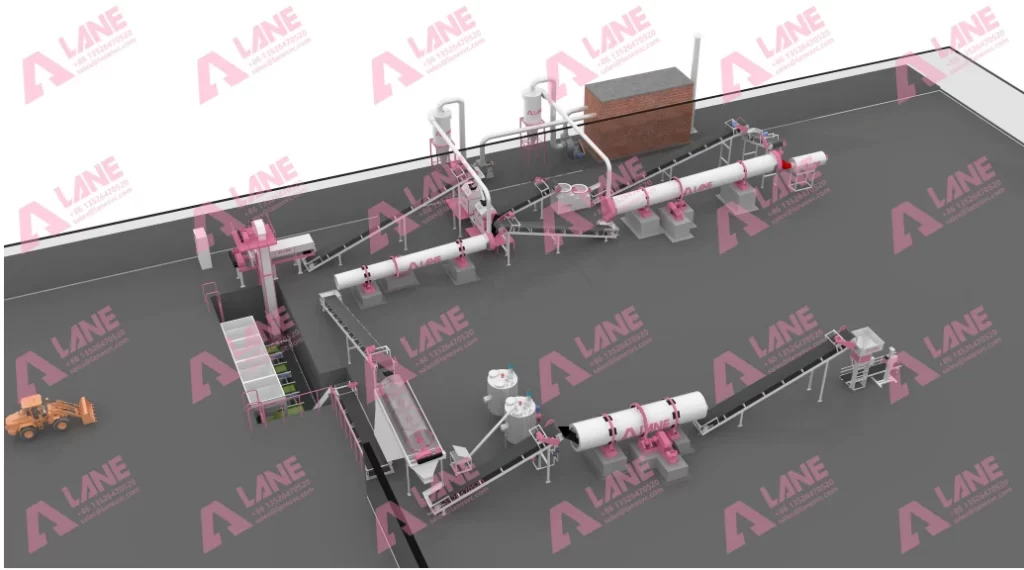
The true value of any produced fertilizer is proven by its performance in the field. When applying organic fertilizer from sugarcane bagasse, the best practices ensure optimal crop response:
Application Rates
Research studies indicate that typical application rates range from 1 to 2 tons per hectare for crops. For soil restoration projects or high-value crops, rates may be increased to 3–5 tons per hectare. LANE recommends conducting soil tests to determine specific nutrient requirements before large-scale application.
Timing and Methods
LANE Heavy Industry’s production lines for organic fertilizer from sugarcane bagasse are fully customizable. Standard specifications include:
| Parameter | Options |
| Production Capacity | 3-30 tons/hour |
| Granule Size Range | 2-5 mm (adjustable) |
| Power Supply | 380V, 50Hz (customizable) |
| Control System | PLC Automatic or Manual |
| Equipment Material | Carbon steel / Stainless steel |
For operations in challenging environments, LANE offers specialized adaptations including tropical climate packages with enhanced humidity control, voltage stabilization for unreliable power grids, and simplified controls for operators with limited technical training.
Q1: What makes sugarcane bagasse suitable for organic fertilizer production?
Sugarcane bagasse contains significant cellulose and lignin that, when properly composted, transform into stable soil humus. Its fibrous structure improves soil aeration and water infiltration, while the decomposition process releases nutrients slowly over extended periods. Additionally, bagasse is widely available at sugar mills, creating a low-cost raw material opportunity.
Q2: How long does it take to produce organic fertilizer from sugarcane bagasse using LANE equipment?
With LANE’s complete production line, the process from raw bagasse to finished fertilizer typically takes 15-30 days, depending on the composting method selected. In-vessel fermentation systems achieve the fastest turnaround, while windrow composting requires more time but lower capital investment.
Q3: Can I produce organic fertilizer from sugarcane bagasse alone, or do I need other ingredients?
While pure bagasse can be composted, the resulting product will be low in plant nutrients. For a balanced organic fertilizer, bagasse should be combined with nitrogen-rich materials (such as manure or poultry litter) and mineral nutrient sources (like rock phosphate). LANE’s mixing systems are designed to incorporate these amendments efficiently.
Q4: What is the typical return on investment for a commercial production line?
Based on LANE’s experience with installations worldwide, customers typically achieve full ROI within 2-3 years. Factors influencing payback period include local raw material costs, energy prices, and market demand for organic fertilizer. Some operations in high-value crop regions have recovered their investment in as little as 18 months.
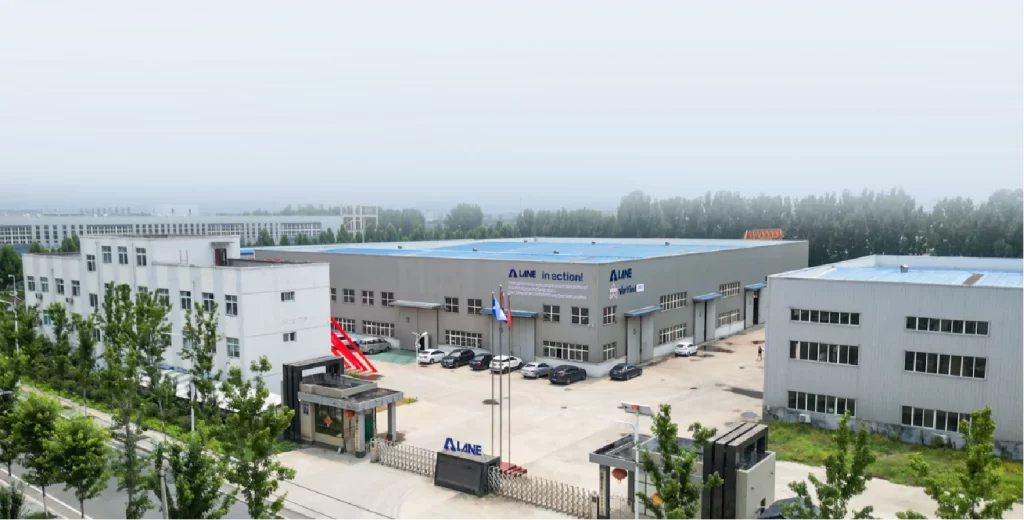
Henan Lane Heavy Industry Machinery Technology Co., Ltd.
Email: sales@lanesvc.com
Contact number: +86 13526470520
Whatsapp: +86 13526470520