
Over the past few decades, farming has evolved beyond traditional methods. New technology has made farming more accessible. But decades of chemical fertilizer have reduced our land fertility and destroyed biodiversity. Sustainable farming has become a priority to address the problem of chemical poisoning of the farmland. One of the most effective ways to enhance soil fertility while maintaining environmental balance is through organic fertilizers. An organic fertilizer pellet line stands as the cornerstone of transforming agricultural waste into high-value fertilizer.
LANE Heavy Industry, a leader in fertilizer production lines, has designed an organic fertilizer pellet line that delivers customizable production capacities. Our robust engineering and end-to-end customer support makes it the top choice for farmers scaling organic fertilizer production. In this article, we’ll explore production capacity options, the advantages of using this machinery, and how it can boost your farm’s productivity.
The cornerstone of any successful fertilizer production operation is selecting the right capacity. LANE Heavy Industry offers an organic fertilizer pellet line with a wide production capacity option. Our production system designs range from 0.5 tons per hour (t/h) up to 100 t/h. This flexibility ensures that whether you manage a small family farm or a large-scale commercial enterprise, there is an organic fertilizer pellet line configuration to match your raw material volume and market demand.
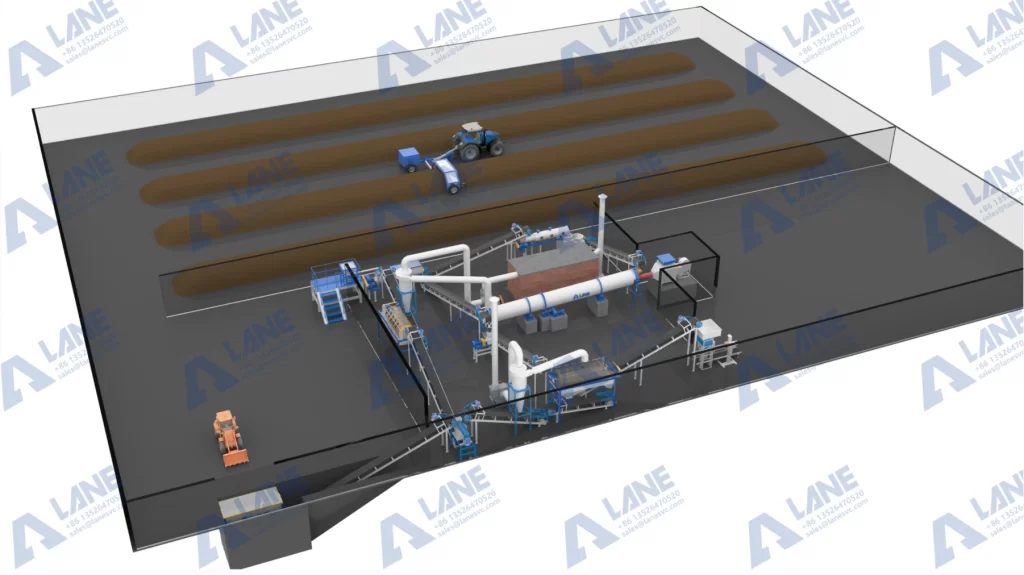
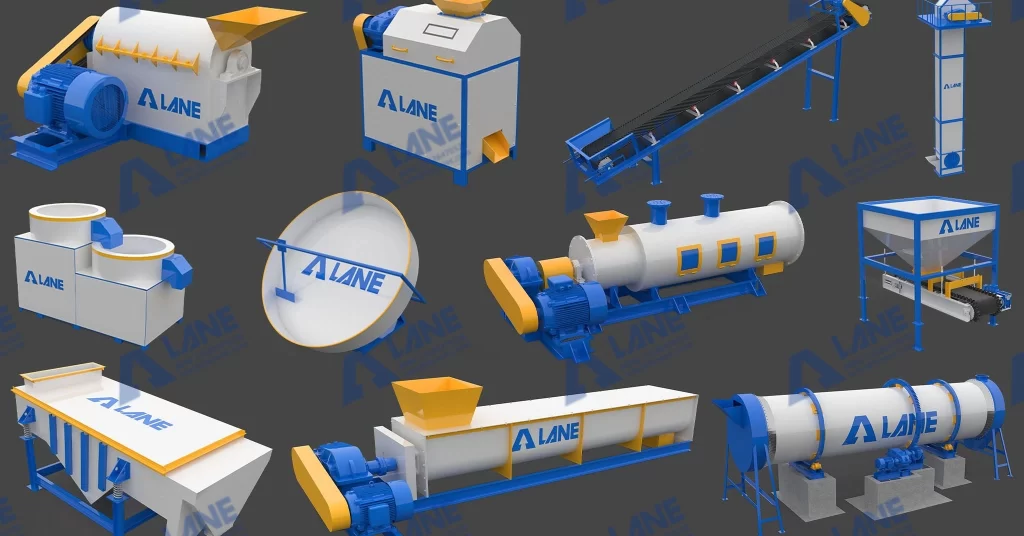
A high-performance organic fertilizer pellet line is a symphony of integrated machinery, each component playing its respective role. LANE Heavy Industry’s approach is to create a “cohesive ecosystem” where every machine is calibrated to eliminate bottlenecks. Key equipment in a LANE Heavy Industry organic fertilizer pellet line includes:
Understanding the workflow of an organic fertilizer pellet line will help you operate the production line properly and appreciate its efficiency. The process is a seamless, integrated flow:
Selecting the ideal capacity for an organic fertilizer pellet line involves assessing your current and future needs. You must consider your daily volume of raw organic waste, your available labor, your budget, and your target market. A smaller 1-2 t/h organic fertilizer pellet line may have a lower initial investment and a faster payback period for a single farm. In contrast, a larger 10-20 t/h organic fertilizer pellet line offers economies of scale and the potential to become a regional fertilizer supplier.
LANE Heavy Industry provides free granulation experiments and customized project design to ensure your organic fertilizer pellet line is perfectly tailored to your specific raw materials and production goals. We can guide you in selecting your capacity and scaling your operation from tons per month to tons per hour.
Q1: What types of raw materials can be processed in an Organic Fertilizer Pellet Line?
A: A LANE Heavy Industry Organic Fertilizer Pellet Line can process a wide variety of materials including animal manure (chicken, cow, pig), crop residues (straw, husks), industrial organic waste (coffee grounds, grape pomace), and even municipal green waste.
Q2: How long is the warranty on a LANE Heavy Industry Organic Fertilizer Pellet Line?
A: LANE Heavy Industry offers a comprehensive five-year warranty on their equipment, along with overseas installation and after-sales service support.
Q3: Can the Organic Fertilizer Pellet Line be customized for my specific farm size?
A: Absolutely. LANE Heavy Industry specializes in customizing Organic Fertilizer Granulation Line systems to meet specific production capacities (from 0.5 to 100 t/h) and raw material characteristics. Their team provides tailored layout and equipment selection.
Q4: What certifications do LANE Heavy Industry’s Organic Fertilizer Pellet Lines meet?
A: All LANE Heavy Industry Organic Fertilizer Granulation Line products have passed ISO9001-2000 international quality certification, and the company can provide additional certifications such as SGS, BV, EU, and CE upon request.
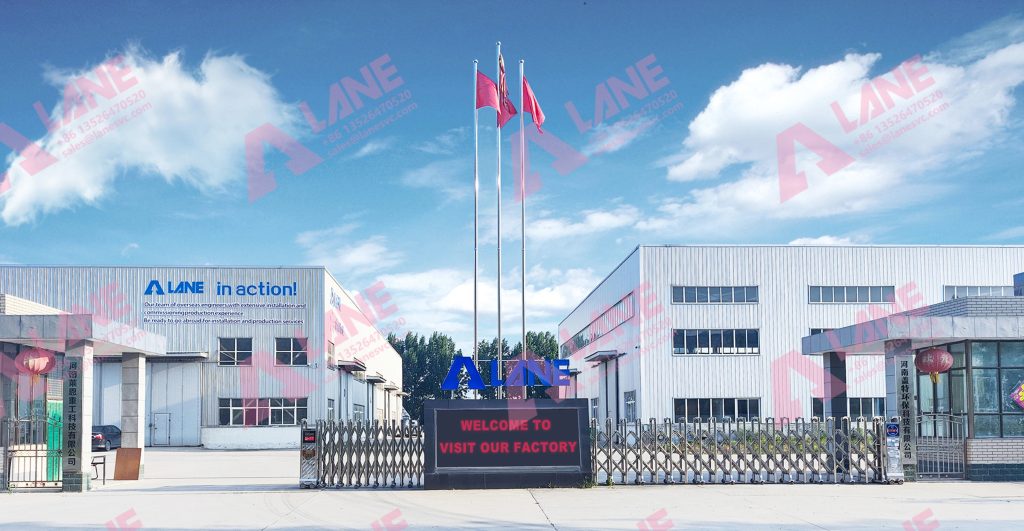
Henan Lane Heavy Industry Machinery Technology Co., Ltd.
Email: sales@lanesvc.com
Contact number: +86 13526470520
Whatsapp: +86 13526470520