
Table of Contents
The Philippines is an agricultural hub with vast farmland and a growing focus on sustainable farming. The demand for organic fertilizer is increasing due to awareness of environmental sustainability and healthier farming practices. It presents a lucrative opportunity for entrepreneurs. A well-crafted organic fertilizer production business plan for the Philippines is essential for businesses aiming to tap into this expanding market.
This guide outlines a detailed organic fertilizer production business plan for the Philippines by leveraging the efficient machinery of LANE Heavy Industry. This organic fertilizer production business plan for the Philippines will focus on production, machinery, and the operational steps needed to succeed in the Philippines.
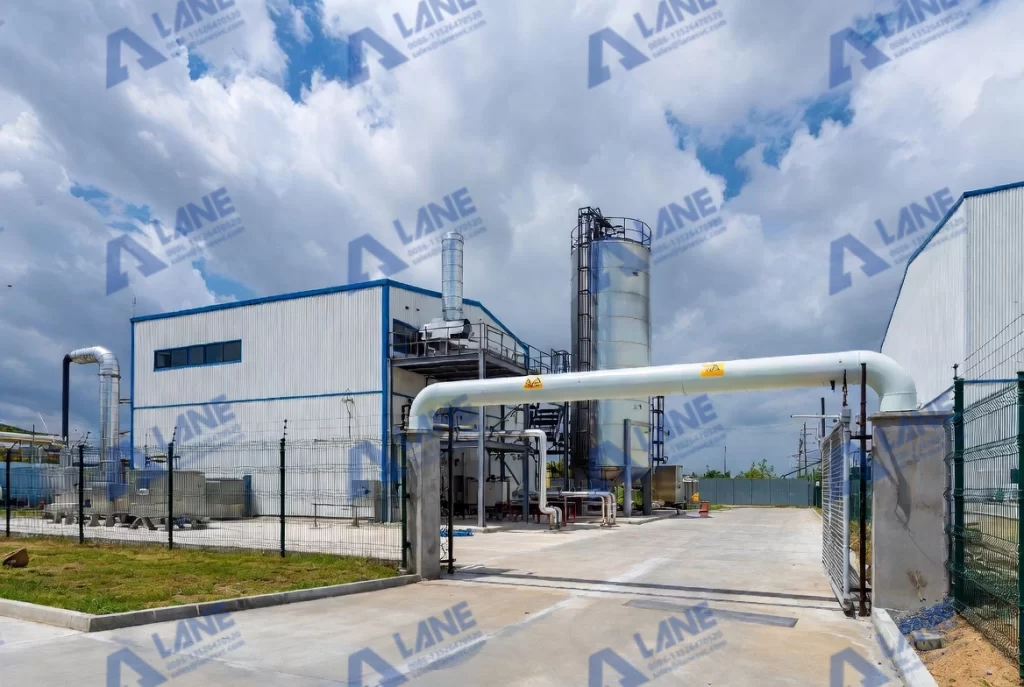
The Philippine agricultural sector is a significant contributor to its economy. Farming is the livelihood of many people across the country. Decades of heavy use of chemical fertilizers have caused soil degradation and environmental pollution. This puts the agriculture sector of the Philippines at risk. The shift to organic farming practices is not only a global trend but also an urgent need for long-term food security in the Philippines.
As the demand for organic products rises, a comprehensive organic fertilizer production business plan for the Philippines is crucial for entrepreneurs who want to enter the organic fertilizer market. Organic fertilizer production has the potential to meet the increasing demand of farmers who are transitioning toward sustainable farming methods.
Organic fertilizers are created from natural sources such as animal manure, plant residue, and other organic waste. They are popular because of their ability to improve soil structure, enhance nutrient content, and promote biodiversity in the soil ecosystem. When developing an organic fertilizer production business plan, understanding these advantages is essential for positioning your product effectively in the market. The key benefits of organic fertilizers include:
Given these advantages, setting up an organic fertilizer production business in the Philippines offers a lucrative opportunity to tap into a sustainable and environmentally responsible industry.
Creating an organic fertilizer production business plan for the Philippines involves several essential steps. Completing these steps will make your vision about the production and marketing process clear.
4.1. Market Research
You must first understand the market demand for organic fertilizers in the Philippines. It is the first step toward developing a comprehensive business plan. Conducting market research helps identify potential customers like organic farmers, agricultural cooperatives, and government programs focused on sustainability. Assessing competitors and pricing trends is also crucial to position your product effectively.
4.2. Raw Material Sourcing
Organic fertilizer is made from organic raw materials such as animal manure, plant residues, and agricultural waste. A steady and reliable supply of raw materials is critical for consistent production. Local farmers, processing factories, and suppliers can be good sources of raw materials. Partnering with agricultural cooperatives can also provide a steady supply of organic waste for fertilizer production.
4.3. Facility and Location
Choosing the right location for the fertilizer production plant is crucial. It should be close to raw material supply sources. You must have easy access to transportation for distribution. The facility should also meet local environmental regulations and safety standards.
4.4. Business and Financial Plan
Your organic fertilizer production business plan for the Philippines should include detailed financial projections, such as initial investment, expected operational costs, and projected revenue. You also must consider the cost of machinery, facility setup, staff salaries, and raw material procurement.
One of the key components of an efficient organic fertilizer production business plan for the Philippines is selecting the right machinery. LANE Heavy Industry provides advanced machinery tailored to the needs of organic fertilizer production.
5.1. Composting Machinery
The first stage of organic fertilizer production is composting. LANE Heavy Industry offers compost turners that efficiently aerate the compost pile and speed up the decomposition process. Our machine ensures a uniform compost mixture.
Granulation is a crucial step in producing organic fertilizer in granule form. LANE Heavy Industry provides advanced rotary drum granulators and stirring pin granulators. These granulators produce uniform, high-quality granules that can be easily handled, packaged, and distributed.
5.3. Drying and Cooling Equipment
After granulation, organic fertilizers need to be dried and cooled to prevent degradation and improve their shelf life. LANE’s rotary dryers are energy-efficient and are designed to handle large-scale production. The rotary cooler ensures that the final product is cooled and ready for the screening stage.
5.4. Screening and Packaging Systems
LANE also provides high-quality screening machines to separate oversized particles and fines from the final product. They are then sent to the crusher and recycled back to the granulator. This ensures that only high-quality fertilizer pellets are packaged. After that, the automated packaging machines streamline the packaging process.
By incorporating LANE Heavy Industry’s advanced machinery into your organic fertilizer production business plan for the Philippines, you can ensure high-quality production, scalability, and operational efficiency.
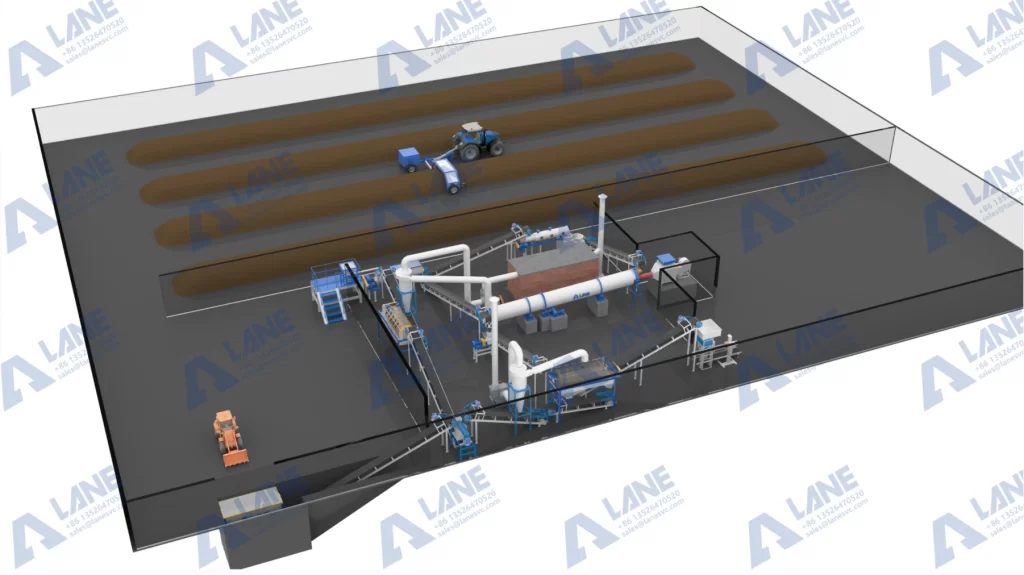
Developing a financial forecast is a critical aspect of any organic fertilizer production business plan for the Philippines. This will give you an idea about your total investment and scale of your production. Your financial investment will depend on the scale of your operation and the type of machinery you choose. Some of the key financial aspects to consider include:
Your business plan for organic fertilizer production in the Philippines should account for these costs and provide a clear financial roadmap for achieving profitability. A well-structured organic fertilizer production business plan will also help you assess risks, forecast cash flow, and identify the most suitable production scale for long-term sustainable growth.
While the market for organic fertilizers in the Philippines is promising, certain challenges need to be addressed in your business plan:
A solid organic fertilizer production business plan for the Philippines will help you prepare a plan to address these challenges and help you create a sustainable production model.
Q1: What raw materials are needed for organic fertilizer production?
A1: Common raw materials include animal manure, plant residues, food waste, and agricultural by-products.
Q2: How much capital is needed to start an organic fertilizer production business?
A2: Initial capital varies based on the scale of the operation, but it typically includes costs for land, machinery, raw materials, and labor.
Q3: Is LANE Heavy Industry’s machinery suitable for large-scale production?
A3: Yes, LANE Heavy Industry provides machinery designed for both small and large-scale organic fertilizer production, ensuring efficiency and scalability.
Q4: How long will it take to break even on an organic fertilizer production business in the Philippines?
A4: It generally takes around 2–3 years to break even, depending on the scale and market demand.
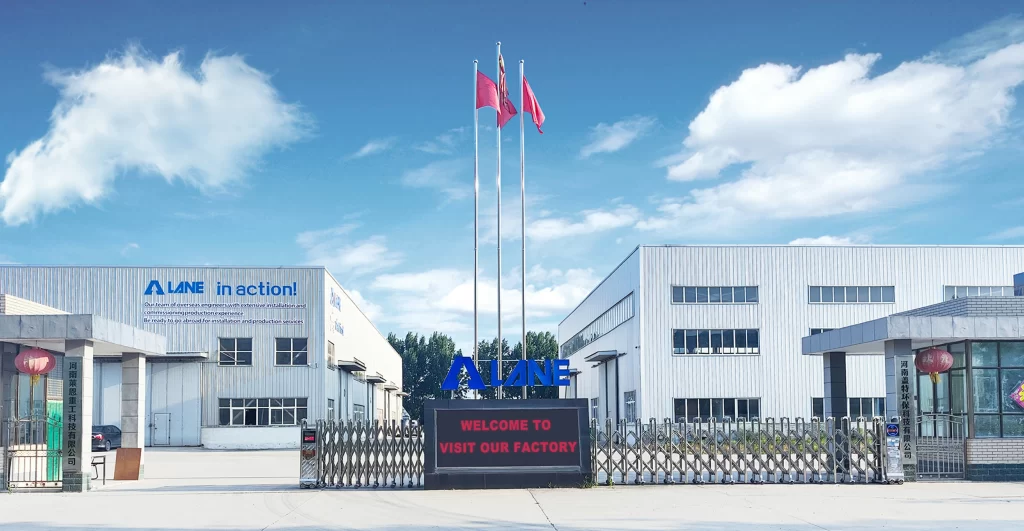
Henan Lane Heavy Industry Machinery Technology Co., Ltd.
Email: sales@lanesvc.com
Contact number: +86 13526470520
Whatsapp: +86 13526470520