
Rice bran is a fine, lightweight material produced during rice milling. In many regions, it is available in large quantities and at a low cost. Instead of being wasted or burned, rice bran can be reused as an important raw material for fertilizer production.
Rice bran bio-organic fertilizer uses this advantage. Rice bran contains organic matter and nutrients that help improve soil condition. Because the material is soft and powder-like, the production line must use machines that are specially suitable for handling rice bran.
Rice bran is different from hard materials. It is light, dusty, and easy to stick together when moisture is high. That is why proper raw material handling is the first key step in rice bran bio-organic fertilizer production.
A dedicated feeding system with sealed conveyors is often used to reduce dust and material loss. This makes the process cleaner and more stable, especially when dealing with fine rice bran powder.
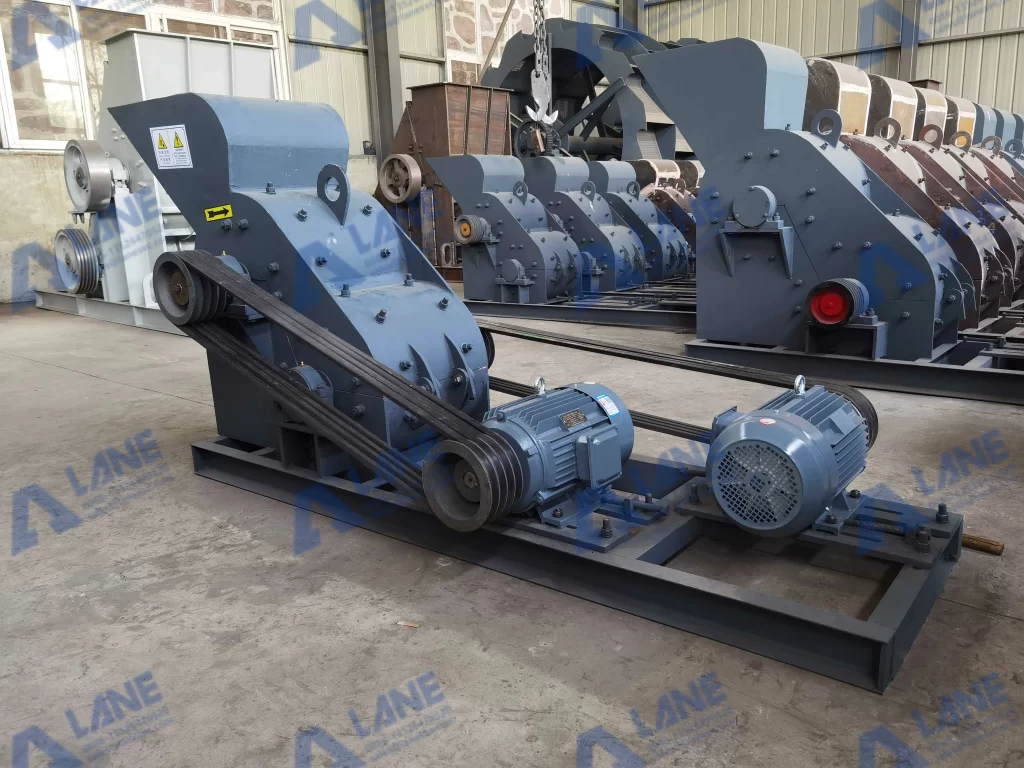
Although rice bran is already fine, crushing is still useful to break up clumps and ensure uniform particle size. A cage crusher or hammer crusher is commonly used for rice bran bio-organic fertilizer production.
These crushers are well suited for soft organic materials like rice bran. Their simple structure allows rice bran to pass through smoothly without clogging. The crushing process helps prepare the material for even mixing and granulation.
After crushing, rice bran enters a horizontal or double-shaft mixer. This type of mixer works very well with lightweight materials.
Inside the mixer, rotating paddles lift and blend the rice bran gently, avoiding material sticking to the walls. Microbial agents or other organic materials can be added at this stage. For rice bran bio-organic fertilizer, even mixing ensures that each granule contains the same nutrients and beneficial microbes.
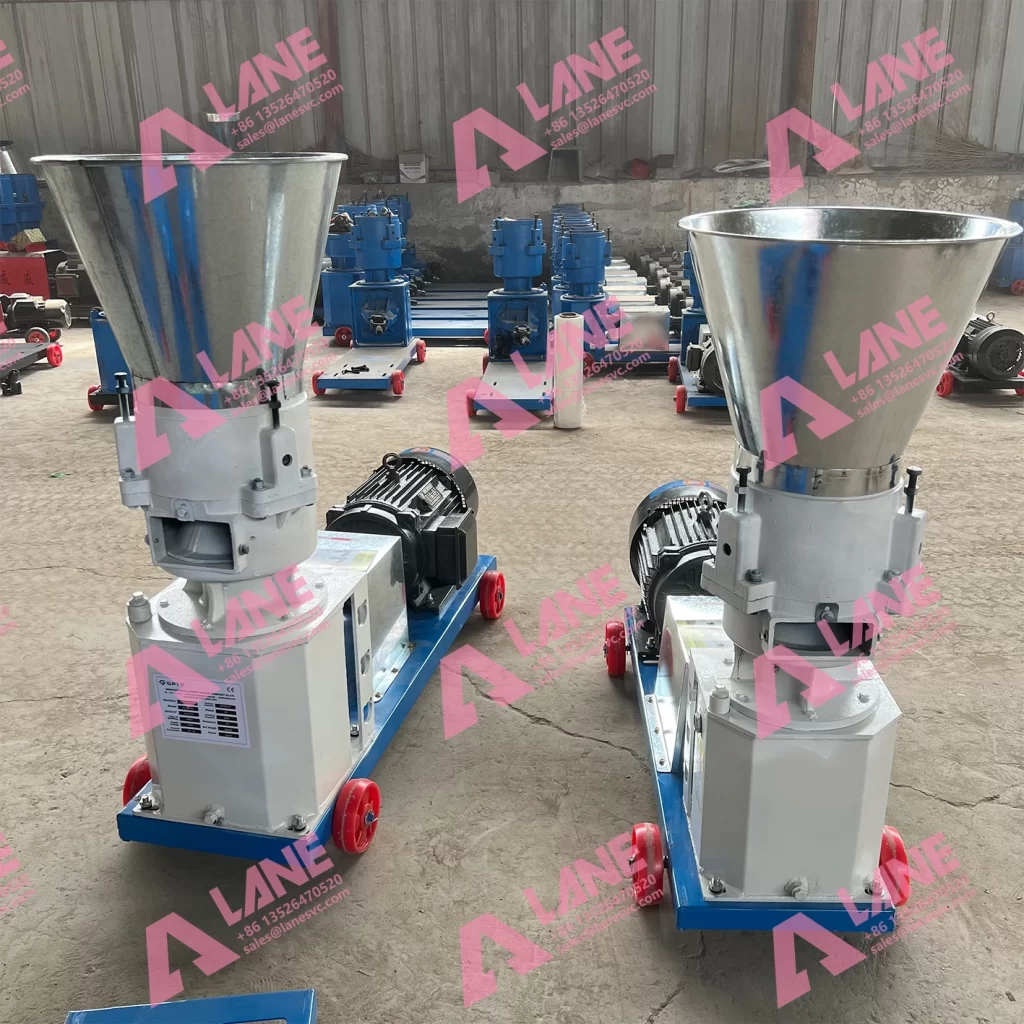
Granulation is the most important step. For rice bran bio-organic fertilizer, a flat die (or flat mold) granulator is the best choice. Unlike other granulators, the flat die granulator can handle fine, soft materials like rice bran without clogging or breaking pellets.
Inside the flat die granulator, rice bran powder is pressed through the die holes under moderate pressure, forming uniform granules. The machine allows adjustable pressure and rotation speed to control granule size and shape, producing high-quality fertilizer pellets that are easy to store, transport, and apply.
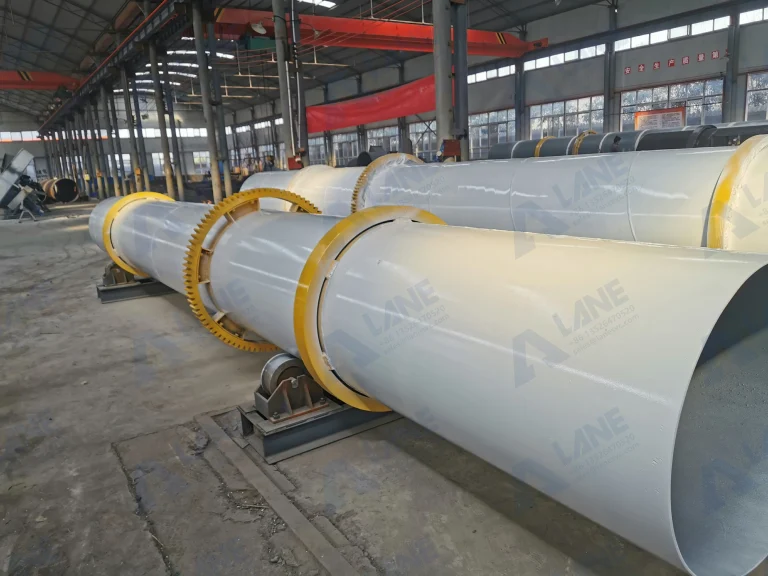
Fresh granules made from rice bran contain moisture and are relatively soft. A rotary drum dryer is often used to reduce moisture content.
The dryer works with controlled temperature and gentle rotation, which is suitable for rice bran bio-organic fertilizer. It removes moisture without damaging the structure of the granules. This step improves strength and prevents granules from sticking together during storage.
After drying, granules are still warm. A rotary cooler is used to lower the temperature gradually.
Cooling is especially important for rice bran bio-organic fertilizer because rice bran-based granules can absorb moisture easily. Cooling helps keep the fertilizer dry and stable before screening and packaging.
A rotary screening machine separates qualified granules from oversized or undersized ones. This type of screen handles rice bran granules smoothly and reduces breakage.
Unqualified material is returned to the granulator, which reduces waste and improves raw material use efficiency. This recycling loop is very common in rice bran bio-organic fertilizer production lines.
Because rice bran fertilizer is lightweight, packaging machines often include dust control systems. Automatic weighing and bagging machines are used to ensure accurate weight and clean operation.
Proper packaging protects rice bran bio-organic fertilizer during transportation and makes it easier for farmers to handle and apply.
A typical production line includes rice bran feeding systems, crushers, mixers, flat die granulators, dryers, coolers, screening machines, and packaging equipment. Each machine is selected based on its ability to process fine, organic materials like rice bran.
With the right layout and equipment matching, rice bran bio-organic fertilizer can be produced efficiently at different scales, from small plants to large industrial lines.
At LANE, we have more than 20 years of experience in fertilizer machinery manufacturing. We understand the special characteristics of rice bran, such as its light weight and fine texture. That is why we design equipment and complete production lines specifically suitable for rice bran bio-organic fertilizer.
Our engineering team works closely with customers to customize equipment, design full production lines, and support on-site installation. Our machines meet ISO9001 and CE standards, ensuring stable performance and reliable quality.
We do more than supply machines. At LANE, we provide full-service support, including installation guidance, training, maintenance, troubleshooting, and future upgrades.
By offering one-stop solutions, we help customers keep their rice bran bio-organic fertilizer production lines running smoothly and efficiently over the long term.
Rice bran bio-organic fertilizer is a smart way to turn agricultural by-products into useful resources. With machines designed specifically to handle rice bran, producers can achieve low-cost, high-efficiency, and environmentally friendly fertilizer production.
LANE is proud to support this process by delivering reliable equipment, customized solutions, and strong after-sales service for rice bran fertilizer projects worldwide.
Henan Lane Heavy Industry Machinery Technology Co., Ltd.
Email: sales@lanesvc.com
Contact number: +86 13526470520
Whatsapp: +86 13526470520