
Table of Contents
Cocoa is one of the major cash crops in the agriculture industry. Cocoa production is a cornerstone in many economies, particularly in regions like West Africa. In Ghana and Nigeria, where cocoa farming is a major agricultural activity, wastes from cocoa pods, husks, and pulp often end up in landfills or are burned. This waste can be a valuable resource that can be used to make organic fertilizer. A small-scale cocoa waste fertilizer making machine from LANE is compact, efficient equipment which transforms cocoa waste into high-quality organic fertilizer.
A 1–3 TPH small-scale cocoa waste fertilizer making machine is a cost-effective way to tap into a growing economy and boost local agricultural productivity. In this article, we will guide you through the process of setting up your small-scale cocoa waste fertilizer making machine production line using LANE Heavy Industry’s machinery.
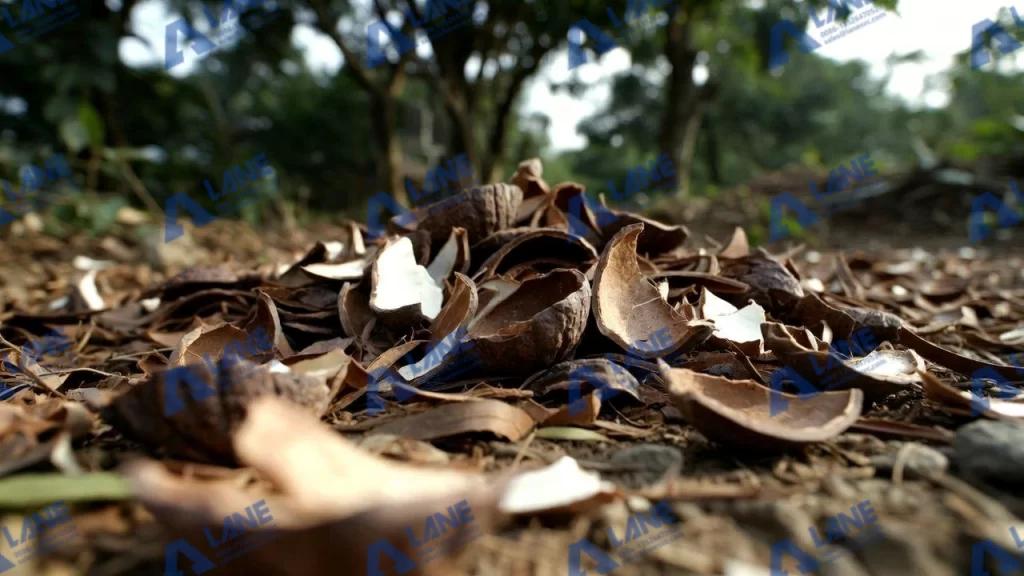
Cocoa wastes, such as cocoa husks, shells, and pods, are often discarded into landfills or burned. Both processes create harmful greenhouse gases, which is bad for the environment. By using a small-scale cocoa waste fertilizer making machine, these waste products can be processed and transformed into nutrient-rich organic fertilizers. The machinery is designed to be efficient, cost-effective, and capable of processing large quantities of cocoa waste into a form suitable for agricultural use.
LANE Heavy Industry has over 20 years of experience in organic fertilizer machinery manufacturing. We provide small and industrial scale machinery that allows small-scale producers to recycle cocoa waste and create valuable fertilizers that improve soil health and promote sustainable farming practices.
3.1 Choosing the Right Location
The first step in setting up a 1–3 TPH small-scale cocoa waste fertilizer making machine is selecting the ideal location for your plant. The location should be close to cocoa processing areas to ensure a continuous, uninterrupted supply of raw materials. Additionally, it should be accessible by road to facilitate transportation and distribution of the fertilizers.
Consider factors such as availability of utilities (water, electricity). You must also ensure compliance with local regulations related to waste management and agricultural production.
3.2 Installation of Machinery
Once you have chosen the location, the next step is the installation of the small-scale cocoa waste fertilizer making machine for fertilizer production. LANE Heavy Industry provides all the equipment including crushers, fermentation units, granulators, and dryers to ensure an efficient production process.
Installation of the machinery typically involves setting up the equipment, connecting power sources, and performing quality checks. LANE offers installation services and staff training to ensure smooth operations.
3.3 Sourcing Raw Materials
The primary raw material for your organic fertilizer is cocoa waste, which can be obtained directly from cocoa farmers, cooperatives, or cocoa processing factories. Cocoa waste such as husks and shells is often available at low or no cost and can be collected in large quantities. This makes it an ideal raw material for fertilizer production.
Establishing partnerships with local farmers and cocoa producers will ensure a consistent and affordable supply of raw materials. With the right raw material sourcing strategy, you can maintain a continuous production flow of organic fertilizers.
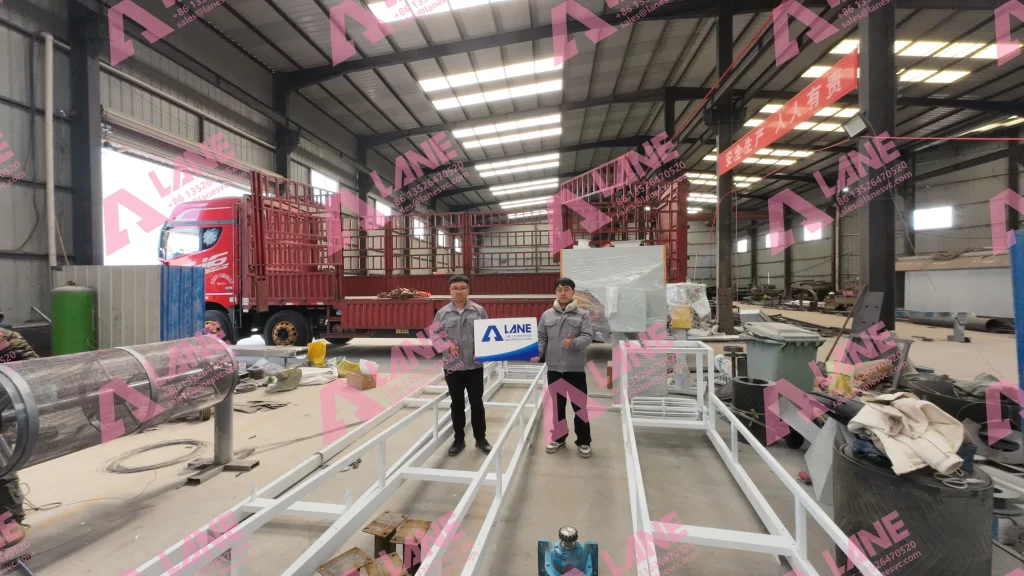
LANE Heavy Industry’s 1–3 TPH small-scale cocoa waste fertilizer making machine offers several advanced features that set it apart from other machines in the market. Some of the key features include:
These features make LANE Heavy Industry’s small-scale cocoa waste fertilizer making machine an excellent choice for entrepreneurs looking to enter the fertilizer production industry.
The production process for cocoa waste fertilizer involves several stages:
Throughout the entire process, the small-scale cocoa waste fertilizer making machine system ensures efficient production with minimal human intervention.
There are many advantages to using a small-scale cocoa waste fertilizer making machine system. They are:
While the production of cocoa waste fertilizer is highly beneficial, there are many challenges to consider:
The costs include the purchase of machinery, raw material sourcing, site preparation, and labor. However, the high demand for organic fertilizers makes the investment worthwhile.
The amount of cocoa waste needed depends on the production capacity of the machine. Typically, a small-scale plant can process several tons of cocoa waste per day.
Yes, the machinery is designed for small-scale operations, making it ideal for businesses that want to enter the organic fertilizer market without large upfront investments.
The entire process, from collection to packaging, can take a few days depending on the production scale and equipment efficiency.
Yes, the organic fertilizer produced from cocoa waste is suitable for a variety of crops, including fruits, vegetables, and grains.
Henan Lane Heavy Industry Machinery Technology Co., Ltd.
Email: sales@lanesvc.com
Contact number: +86 13526470520
Whatsapp: +86 13526470520