
Every city produces wastewater. After treatment, clean water is released, but a large amount of sludge remains. This sludge must be treated carefully. If it is not handled well, it can cause pollution, bad smells, and high disposal costs.
In the past, many plants sent sludge to landfills or burned it. Today, these methods are becoming less popular. Landfill space is limited, and incineration costs a lot of energy. Because of this, many operators are looking for better solutions.
Aerobic composting of sewage sludge is now seen as a smart and friendly option. Instead of throwing sludge away, composting turns it into something useful. This idea fits well with modern environmental goals and resource reuse plans.
Sludge contains water, organic matter, and microorganisms. Fresh sludge often smells bad and may carry harmful bacteria. It cannot be used directly and should not be stored for a long time.
With aerobic composting of sewage sludge, these problems can be reduced. During composting, oxygen helps natural bacteria break down organic material. The temperature rises naturally, which helps kill harmful organisms.
After composting, the sludge becomes more stable. The smell is much weaker, and the material is safer to handle. This makes composting a reliable way to manage sludge in a clean and controlled manner.
Another reason to use composting is cost control. Untreated sludge is heavy and wet. Transporting it is expensive. Disposal fees can also be high.
Composting reduces the volume and weight of sludge. This lowers transport costs. At the same time, the final compost can be sold or reused, which creates value.
Because of these benefits, aerobic composting of sewage sludge is not only good for the environment, but also practical for long-term operation.
Many people do not know that sludge contains useful nutrients. When treated correctly, these nutrients can help improve soil quality.
Sludge often contains organic matter, nitrogen, phosphorus, potassium, and other trace elements. These are important for plant growth and soil health.
Through aerobic composting of sewage sludge, these nutrients become more stable. The compost releases nutrients slowly, which helps plants absorb them better and reduces nutrient loss.
Composted sludge helps improve soil structure. It makes soil looser and easier for roots to grow. It also helps soil hold water, which is important in dry areas.
Organic matter supports beneficial soil microorganisms. These microorganisms help plants take up nutrients more easily.
Because of these effects, compost from aerobic composting of sewage sludge is widely used in agriculture, landscaping, and land improvement projects.
The composting process starts with sludge preparation. Sludge usually contains too much water, so dewatering equipment is used first.
Next, bulking materials such as straw or wood chips are added. These materials improve airflow and help balance the compost mixture.
During aerobic composting of sewage sludge, oxygen is very important. Compost turners mix the material and allow air to enter. This keeps the process active and stable.
As composting continues, the temperature rises. This shows that microorganisms are working. High temperatures help destroy harmful bacteria and seeds.
The composting process usually takes several weeks. During this time, the material is turned regularly to keep conditions even.
At the end of aerobic composting of sewage sludge, the material becomes dark, loose, and has a soil-like smell. This means it is mature and ready for use.
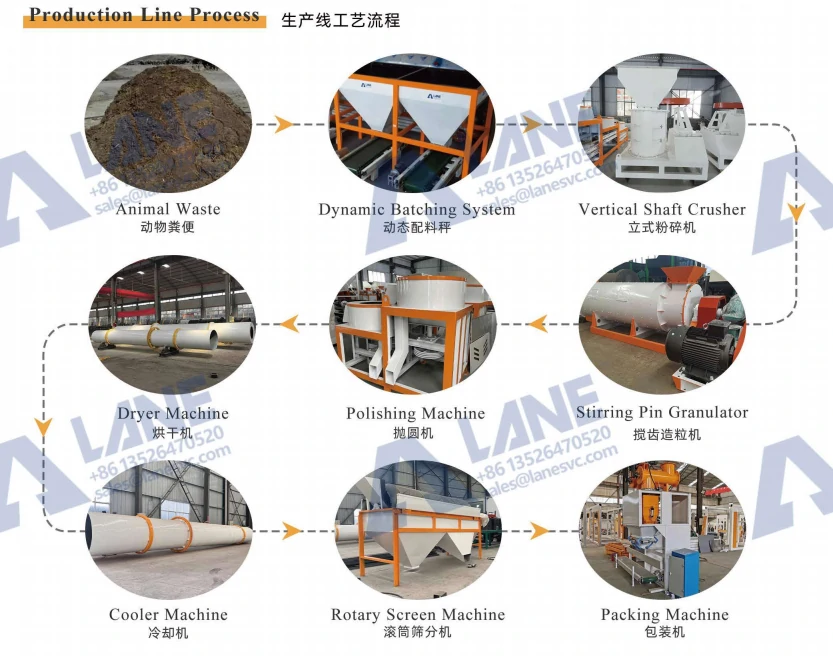
A composting production line includes several types of equipment. Each machine has a clear role.
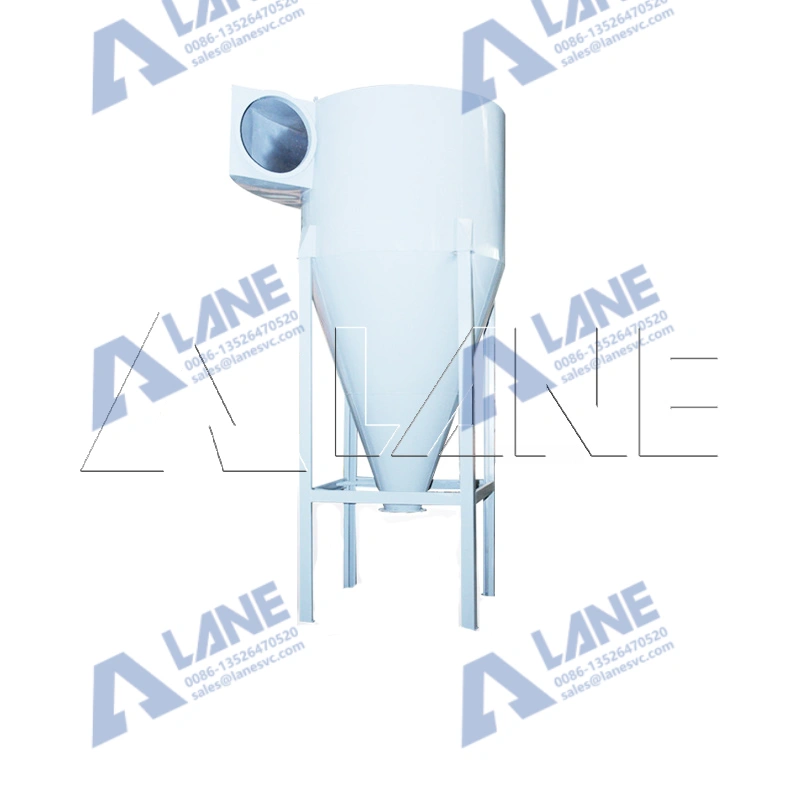
Inclined dewatering machines reduce water content. Mixers combine sludge with bulking materials. Compost turners supply oxygen and control temperature. Screening machines separate finished compost from large pieces.
For projects that produce commercial fertilizer, granulation and packaging machines may be added. These machines help improve product appearance and market value.
Reliable equipment helps ensure aerobic composting of sewage sludge runs smoothly every day.
Odor Control and Clean Operation
Odor is a common concern in sludge treatment. Poorly managed systems can create strong smells.
With proper operation, aerobic composting of sewage sludge produces much less odor. Regular turning and enough oxygen prevent bad-smelling gases from forming.
Some facilities also use covers or simple odor control systems. These measures help composting projects operate safely near populated areas.
Where the Compost Is Used
The final compost can be used in many fields. It is suitable for farmland, orchards, parks, forests, and land restoration.
In landscaping and non-food crops, composted sludge is especially popular. It improves soil quality without the need for chemical fertilizers.
Because it is stable and easy to store, compost from aerobic composting of sewage sludge can be transported and used when needed.
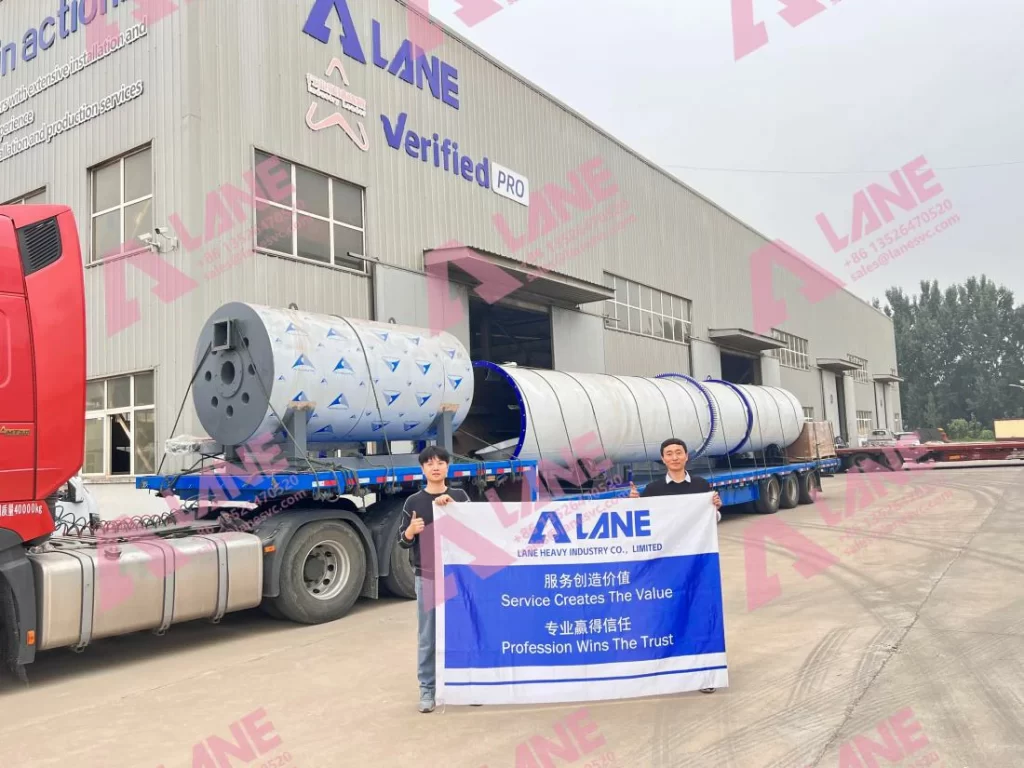
At our company, we have more than 20 years of experience in fertilizer machinery manufacturing. We have supported many composting and organic fertilizer projects.
We focus on providing complete solutions. Our engineering team designs equipment based on customer needs. We manufacture machines, install production lines, and provide technical guidance.
We also offer after-sales service, including maintenance, troubleshooting, and upgrades. Our equipment meets ISO9001 and CE quality standards, which ensures stable and safe operation.
Every composting project is different. Raw materials, capacity, and site conditions can vary.
That is why we offer customized solutions. We help customers build production lines that match their real needs. This approach improves efficiency and reduces operation problems.
By supporting full systems, we help aerobic composting of sewage sludge projects start smoothly and run reliably.
Good equipment is important, but service is also key. We stay in contact with our customers after installation.
Our team provides technical support and advice during operation. If problems occur, we respond quickly to reduce downtime.
This long-term support helps customers feel confident about investing in aerobic composting of sewage sludge projects.
Composting is not only an environmental solution. It also brings economic benefits.
By reducing disposal costs and creating usable products, composting improves project returns. Operating costs are reasonable, and maintenance is simple with good equipment.
For many operators, aerobic composting of sewage sludge becomes a stable and profitable part of waste management.
Supporting Sustainable Development
Many countries are working toward greener waste treatment systems. Composting fits well into these plans.
It reduces waste, saves resources, and improves soil health. It also supports local agriculture and green projects.
By choosing aerobic composting of sewage sludge, operators contribute to sustainable development in a practical way.
Sludge management will continue to be an important topic in the future. Environmental rules will become stricter, and resource reuse will be more important.
With proper planning, equipment, and support, aerobic composting of sewage sludge offers a clear path from waste treatment to resource utilization.
At our company, we will continue to support this process with reliable machines, customized solutions, and professional service—helping customers turn sludge into long-term value.
For more details, please feel free to contact us.
Henan Lane Heavy Industry Machinery Technology Co., Ltd.
Email: sales@lanesvc.com
Contact number: +86 13526470520
Whatsapp: +86 13526470520