
Table of Contents
Organic fertilizer is made from the composting process of biodegradable organics. The nutrient value of the organic fertilizer depends on the raw material quality. One of the most promising approaches is the sugarcane bagasse waste to organic fertilizer process. Sugarcane bagasse, a fibrous byproduct of sugar mills, is one of the most abundant agricultural wastes globally and is a rich source of nutrients and organic matter. Millions of tons of this valuable raw material are burned or landfilled yearly, which causes pollution and resource waste. The sugarcane bagasse waste to organic fertilizer process solves this problem by converting low-value bagasse into nutrient-dense, eco-friendly organic fertilizer that boosts soil health and crop yields.
By leveraging advanced machinery from LANE Heavy Industry, farmers and manufacturers can efficiently convert this waste into high-quality organic fertilizer, promoting sustainable agriculture.
Sugarcane bagasse is regarded as agricultural waste, but it is incredibly rich in cellulose, hemicellulose, and lignin. These compounds make it an excellent raw material for organic fertilizer production. The sugarcane bagasse waste to organic fertilizer process reduces environmental pollution and turns waste into a valuable resource that improves soil fertility and crop yield.
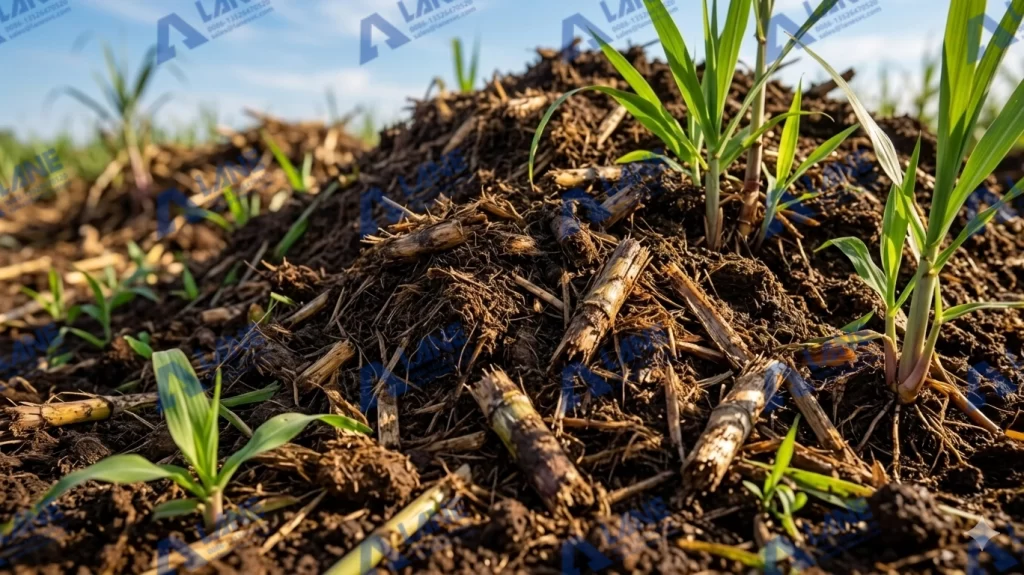
The sugarcane bagasse waste to organic fertilizer process offers multiple benefits:
With the right machinery from LANE Heavy Industry, these benefits can be achieved efficiently and consistently.
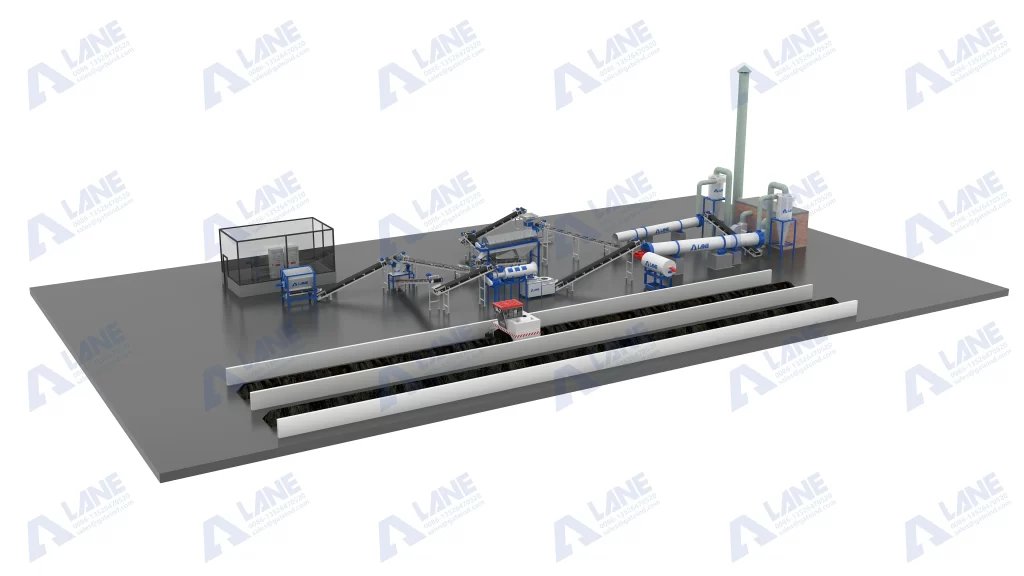
LANE Heavy Industry provides a complete production line for converting sugarcane bagasse into organic fertilizer. Our machinery is designed for high efficiency and ease of operation. The production line includes:
This fully integrated setup ensures that the sugarcane bagasse waste to organic fertilizer process runs smoothly. From raw material preparation to final product packaging, all steps communicate with each other to create premium nutrients.
5.1 Collection and Preparation of Sugarcane Bagasse
The first step in the sugarcane bagasse waste to organic fertilizer process is the collection of bagasse from sugar mills. The bagasse must be free of impurities such as stones and sand. Moisture content is also measured to ensure optimal fermentation.
5.2 Crushing and Size Reduction
LANE Heavy Industry provides shredders that reduce bagasse into smaller particles. This increases the surface area, allowing for faster microbial activity during composting. Proper size reduction is critical for an efficient sugarcane bagasse waste to organic fertilizer process.
5.3 Fermentation and Composting
Crushed bagasse is then transferred to fermentation piles or tanks. Microbial inoculants are added to accelerate decomposition. LANE compost turners are used to aerate regularly to maintain oxygen levels and uniform fermentation. The fermentation stage can take 15–30 days depending on climate and material composition.
5.4 Crushing, Mixing, and Granulation
After fermentation and curing, the compost is ready for granulation. The compost enters the production line with a dynamic batching system. It is first sent to the crusher for uniform size. Powdered compost is easy to granulate. After crushing, the composted powder is then sent to a mixing machine where producers can integrate other nutrients to create custom formulations.
After mixing, LANE Heavy Industry’s granulators compress the fermented bagasse into uniform granules. This step is essential for producing a marketable organic fertilizer product. Granulation improves handling, storage, and application efficiency.
After granulation, the granules contain 25-30% water content. They need to be reduced for packaging and quality. LANE’s rotary dryers reduce moisture content to around 10–12% without damaging the nutrient content. This prevents mold growth and ensures product stability. Cooling machines then lower the granule temperature, preparing them for storage and packaging.
Finally, granules are screened to separate oversized or undersized particles. They are recycled back into the crusher to re-enter the granulation process. On-size granules are sent to the packaging machine. It fills bags of various weights for sale. The sugarcane bagasse waste to organic fertilizer process is now complete, delivering high-quality organic fertilizer ready for the market.
Quality control is a vital aspect of the sugarcane bagasse waste to organic fertilizer process. Parameters such as moisture content, nutrient levels, particle size, and microbial count are monitored at each stage to ensure consistent product quality. LANE Heavy Industry machinery includes automated monitoring systems for precise control.
Using LANE Heavy Industry machinery and design for the sugarcane bagasse waste to organic fertilizer process offers numerous benefits:
Investing in equipment from LANE ensures a sustainable and profitable fertilizer production process that generates consistent quality granules.
The sugarcane bagasse waste to organic fertilizer process is a sustainable and profitable approach to waste management. With LANE Heavy Industry’s Machinery, you get a reliable, automated production line that optimizes every stage of the sugarcane bagasse waste to organic fertilizer process to deliver high-quality organic fertilizer while reducing environmental impact. Using LANE Heavy Industry’s advanced machinery, producers can efficiently convert sugarcane bagasse into high-quality organic fertilizer. Investing in such technology ensures long-term benefits for both business and the planet.
Q1: What is the main advantage of converting sugarcane bagasse to organic fertilizer?
A1: It turns agricultural waste into nutrient-rich fertilizer, reducing pollution and improving soil fertility.
Q2: How long does the fermentation process take?
A2: Typically, 15–30 days depending on climate, microbial activity, and moisture content.
Q3: Can other agricultural waste be used along with sugarcane bagasse?
A3: Yes, materials like straw, chicken manure, and crop residues can enhance nutrient content.
Q4: Is LANE Heavy Industry machinery suitable for small-scale production?
A4: Yes, their modular machines allow scalability for both small and large operations.
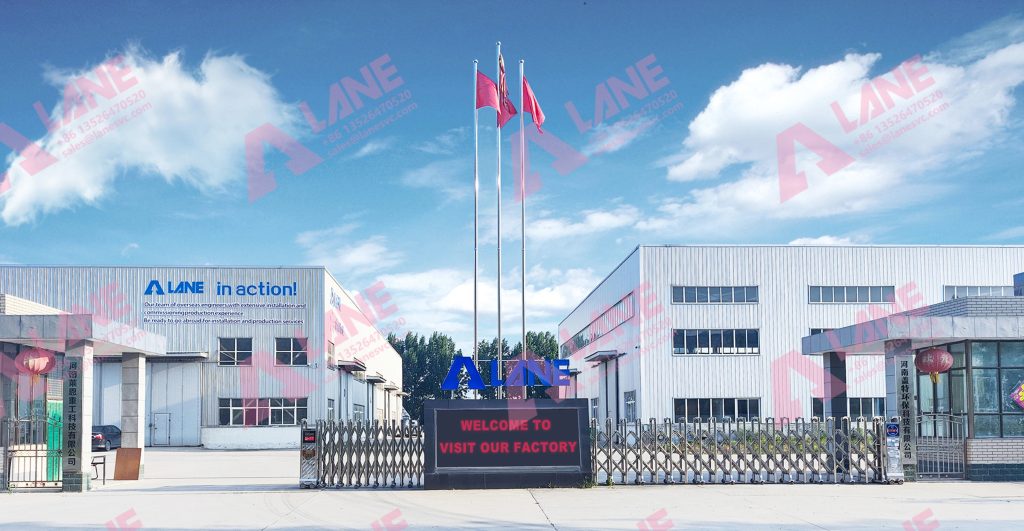
Henan Lane Heavy Industry Machinery Technology Co., Ltd.
Email: sales@lanesvc.com
Contact number: +86 13526470520
Whatsapp: +86 13526470520