
If you are in the business of making organic fertilizer, you know that fermentation is where the magic happens. It’s the process that turns raw manure or green waste into high-quality nutrients for the soil. However, the speed and quality of this process depend heavily on the equipment you use.
Today, we are diving into a detailed comparison of fermentation efficiency between wheeled and tracked compost turners to see which one reigns supreme for your specific needs. At LANE, we have spent over 20 years helping farmers and factory owners optimize this exact process. Whether you are running a small family farm or a massive industrial plant, understanding these tools is the first step toward better yields.
In composting, “efficiency” isn’t just about how fast the machine drives. It’s about how well it mixes oxygen into the pile, how it handles moisture, and how effectively it breaks down organic matter.
When we look at the comparison of fermentation efficiency between wheeled and tracked compost turners, we see two different philosophies. Wheeled turners are built for speed and agility on flat ground, while tracked turners (also known as crawler-type turners) are built for power and stability on uneven surfaces.
Wheeled turners are very popular in many organic fertilizer setups. They look a bit like a tractor with a specialized mixing drum underneath.
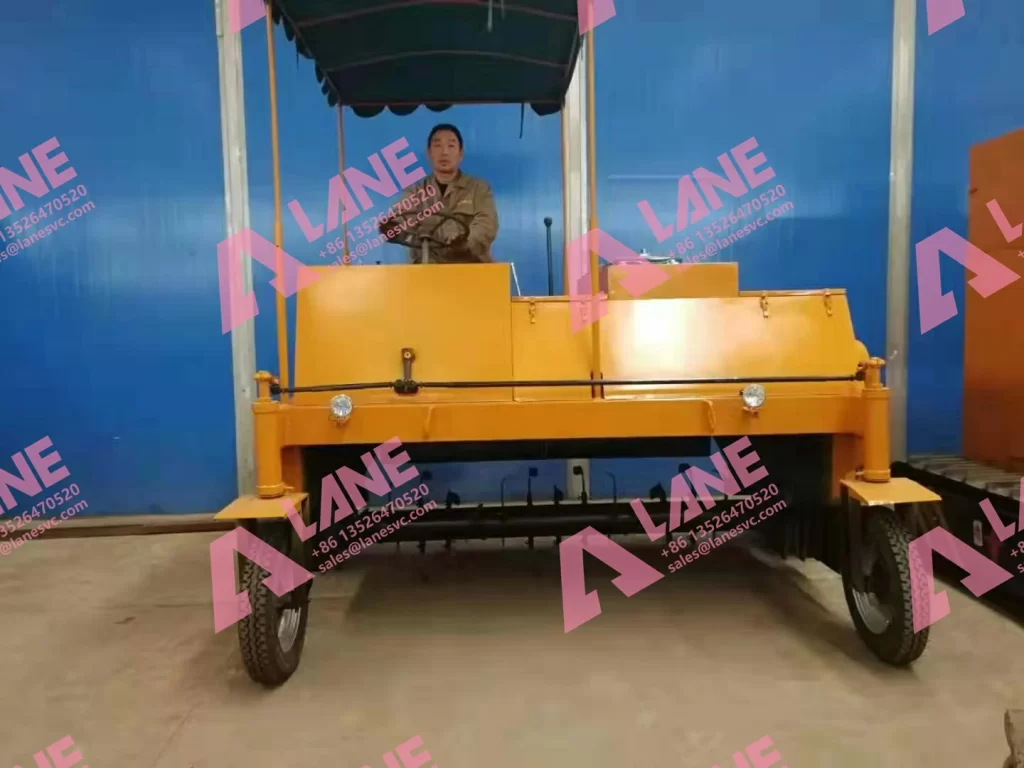
Tracked turners use a continuous track system, much like a tank or a bulldozer. This gives them a massive advantage in specific environments.
To help you visualize these differences, here is a quick comparison of fermentation efficiency between wheeled and tracked compost turners based on key operational factors.
| Feature | Wheeled Compost Turner | Tracked Compost Turner |
| Ground Type | Best on concrete or hard ground | Best for soil, mud, or uneven ground |
| Moving Speed | Faster | Slower but steadier |
| Maintenance | Simpler (tires) | More complex (track system) |
| Pile Density | Good for light to medium piles | Excellent for heavy, dense piles |
A deep comparison of fermentation efficiency between wheeled and tracked compost turners shows that while both get the job done, the “best” one depends on your floor and your material.
Choosing the right machine is easier when you have an expert partner. At LANE, we aren’t just selling machines; we are sharing over 20 years of professional experience in the Chinese fertilizer machinery industry.
We understand that every project is unique. That’s why our professional engineering team provides customized services. Whether you need a specific modification for a machine or you want us to design and install an entire fertilizer production line from scratch, we have the skills to make it happen.
We pride ourselves on being a one-stop service provider. This means we stay with you from the moment of installation to full after-sales support. If you need maintenance, troubleshooting, or even future upgrades, we are just a call away. Plus, our products meet ISO9001 and CE international quality standards, so you can trust the durability of our equipment. We specialize in NPK production lines, organic fertilizer equipment, and compound fertilizer solutions.
In any comparison of fermentation efficiency between wheeled and tracked compost turners, we have to talk about biology. Microbes need oxygen. If a pile becomes too packed, the center becomes anaerobic (stinky and slow).
The tracked turner’s ability to “climb” slightly over the material and use high-torque drums means it can fluff up even the most compacted manure. This increases the surface area of the organic matter. In our internal comparison of fermentation efficiency between wheeled and tracked compost turners, we found that tracked machines can often shorten the fermentation cycle by 2–3 days in heavy clay-like materials because they introduce oxygen more deeply.
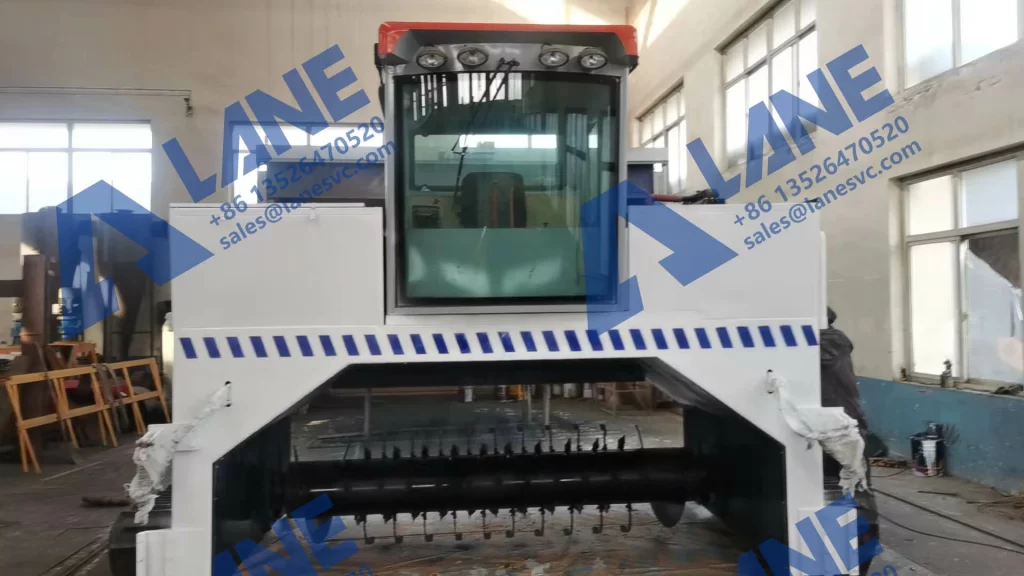
However, if you are working with lighter materials like straw or sawdust on a smooth factory floor, the wheeled turner is more than sufficient. It’s all about matching the tool to the task.
When business owners look at a comparison of fermentation efficiency between wheeled and tracked compost turners, they also look at the bottom line.
At the end of the day, the goal is high-quality fertilizer. A thorough comparison of fermentation efficiency between wheeled and tracked compost turners reveals that both machines, when used correctly, produce excellent compost. The key is consistency.
Using a dedicated turner—regardless of the wheel or track—is vastly superior to using a simple front-end loader. A loader compacts the pile, while a turner lifts and aerates it. If you want a product that meets international standards, you need a machine designed for the job.
Q: Can I use a wheeled turner on a dirt floor?
A: You can, but if it rains, you might face issues with traction. For dirt floors, we usually recommend the tracked model after doing a comparison of fermentation efficiency between wheeled and tracked compost turners for your specific climate.
Q: Which one is better for a small-scale farm?
A: Usually, the wheeled version is perfect for smaller operations because it is easy to move and store.
Q: Does LANE provide training on how to use these?
A: Absolutely! Our one-stop service includes teaching your team how to operate and maintain the equipment to ensure the highest efficiency.
Making the right choice between these two powerful machines doesn’t have to be complicated. By looking at this comparison of fermentation efficiency between wheeled and tracked compost turners, you can see that your choice should be guided by your site conditions and the weight of your compost.
To wrap up, a detailed comparison of fermentation efficiency between wheeled and tracked compost turners proves that there is no “one size fits all” answer, but rather a “best fit” for your specific goals. Wheeled turners offer speed and economy for flat surfaces, while tracked turners offer power and reliability for tough environments. Both are essential tools in the modern organic fertilizer industry.
Wheeled turners offer speed and economy for flat surfaces, while tracked turners offer power and reliability for tough environments. Both are essential tools in the modern organic fertilizer industry.
At LANE, we are dedicated to helping you build a stable, efficient, and profitable organic fertilizer production line. We bring decades of expertise and a commitment to quality that ensures your investment lasts for years to come.
For more details, please feel free to contact us.
Henan Lane Heavy Industry Machinery Technology Co., Ltd.
Email: sales@lanesvc.com
Contact number: +86 13526470520
Whatsapp: +86 13526470520