
On most civil engineering sites, there is no such thing as “perfect material.” Soil is too wet, sludge is hard to handle, organic waste piles up, and disposal costs keep rising. Composting has become a practical way to deal with these problems, but only when the equipment actually fits the site. In day-to-day work, Composting Efficiency Boosted for Civil Engineering Projects is less about big concepts and more about choosing the right type of compost turner.
Instead of talking in general terms, it makes more sense to look at how different turners are really used on construction sites.
Some projects start in the worst possible ground conditions. River dredging, soft soil foundations, and coastal works often involve material that is almost liquid. Trucks sink, loaders struggle, and stockpiles are hard to manage.
Crawler compost turners are built for this kind of site. Their tracks spread the machine’s weight, allowing it to move directly over wet piles. Engineers use them to turn sludge and soft soil again and again, letting moisture escape and air enter. The material slowly becomes more stable and easier to control.
In these situations, Composting Efficiency Boosted for Civil Engineering Projects means not having to move the material far. Treating it where it sits saves time and avoids making bad ground even worse.
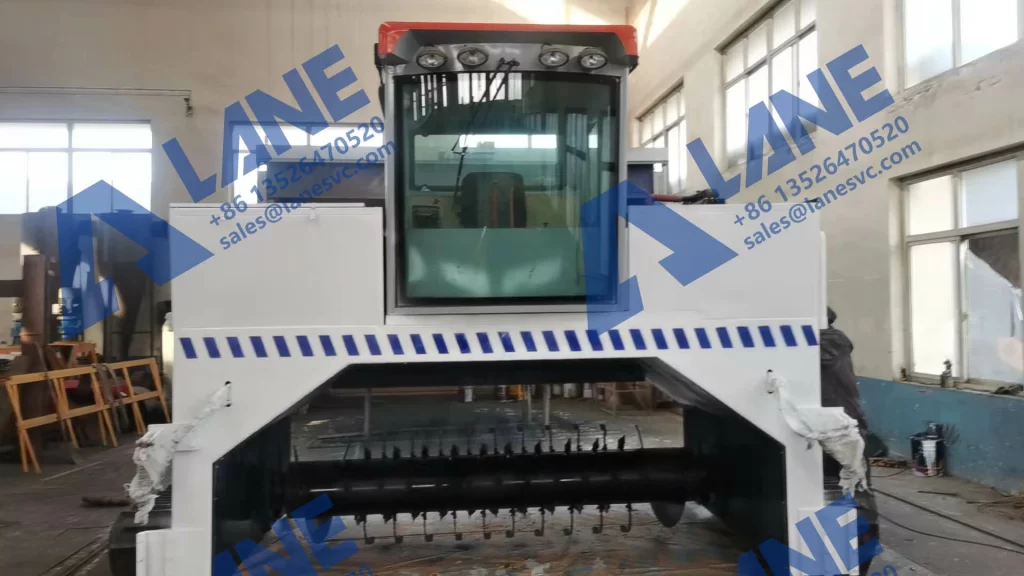
Many projects are more organized than that. Road construction sites, municipal works, and temporary soil yards usually have compacted ground or concrete surfaces. Here, wheel-type compost turners are often the first choice.
They move quickly from one pile to another and are easy to operate. Crews can turn soil every day without much setup. This works well when excavated soil only needs drying and loosening before being reused as backfill.
On these sites, Composting Efficiency Boosted for Civil Engineering Projects comes from speed and routine. Nothing fancy—just regular turning that keeps material usable and projects moving.
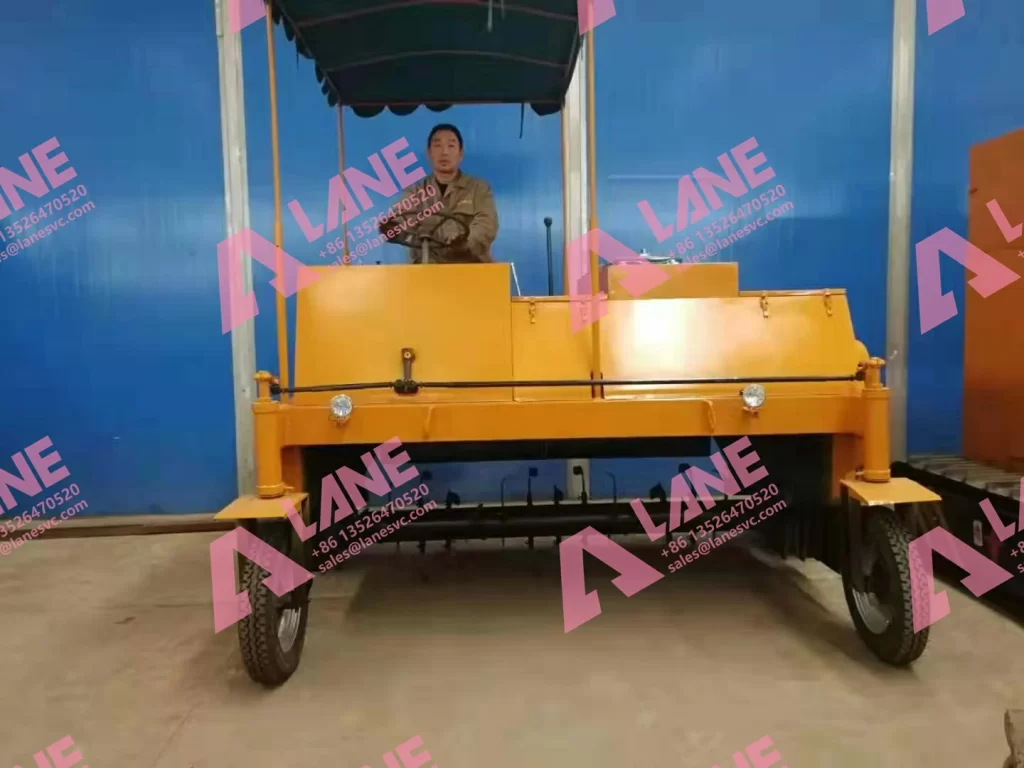
Some civil engineering work relies on permanent treatment areas, such as sludge processing centers or soil remediation bases. Instead of moving equipment to the material, the material is brought to the facility.
Groove-type compost turners run along fixed channels. They turn material the same way every time, creating stable and predictable results. This matters when treated material must meet certain standards before reuse or disposal.
Here, Composting Efficiency Boosted for Civil Engineering Projects is about control. The process is repeatable, easier to monitor, and less dependent on operator habits.
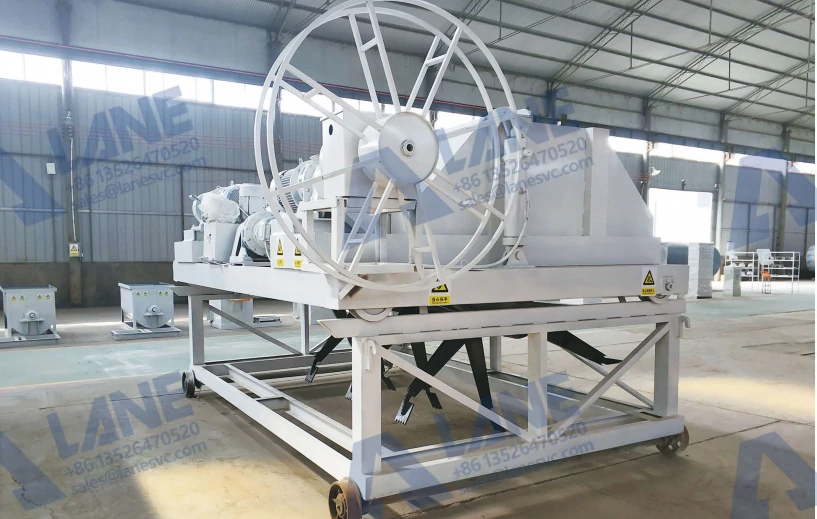
Not all projects are big. Urban renewal, utility repairs, and small remediation jobs often happen in crowded areas. Noise, space, and access are constant issues.
Small self-propelled compost turners fit into these gaps. They handle limited volumes but allow material to be managed instead of just stored. Turning reduces smell and moisture, which helps keep nearby residents and regulators calm.
In these cases, Composting Efficiency Boosted for Civil Engineering Projects is about being able to work at all, rather than about scale.
Sometimes budgets are tight or timelines are short. For temporary projects, tractor-mounted turners offer a simple option. They attach to existing tractors and provide basic turning.
The results are not as consistent as with dedicated machines, but even basic turning improves material compared to leaving it untouched. For short-term needs, this is often “good enough.”
This is another way Composting Efficiency Boosted for Civil Engineering Projects can happen—through practical compromise.
There is no universal compost turner for civil engineering. Wet ground, hard ground, large volumes, small spaces—each situation pushes the choice in a different direction. Problems usually arise when machines are chosen first and site conditions second.
When engineers start with the site and then select the equipment, composting stops being a problem and starts being a tool.
At LANE, our company has been manufacturing fertilizer and composting machinery in China for more than 20 years. We work with crawler turners, wheel-type machines, groove systems, and customized solutions. Most of our projects start with a simple question: What does the site really look like?
With our engineering team, we design and supply equipment based on real working conditions. Our systems follow ISO 9001 and CE international standards, and we stay involved through installation and after-sales service. For us, Composting Efficiency Boosted for Civil Engineering Projects is not a slogan—it is the result of equipment that works where it is actually used.
Compost turners are no longer special machines reserved for waste plants. On many civil engineering sites, they are just another piece of working equipment. Crawler turners handle mud, wheeled machines handle organized yards, groove systems deliver consistency, and small turners solve space problems.
When the right turner is used in the right place, Composting Efficiency Boosted for Civil Engineering Projects happens naturally—without complicated systems, and without slowing the job down.
For more details, please feel free to contact us.
Henan Lane Heavy Industry Machinery Technology Co., Ltd.
Email: sales@lanesvc.com
Contact number: +86 13526470520
Whatsapp: +86 13526470520