
Argentina is known around the world for its cattle industry. Large farms and ranches produce a huge amount of cow dung every day. If this cow dung is not handled properly, it can cause smell problems and waste valuable nutrients. This is why more farms are turning to a cow dung production line in Argentina to solve this issue.
Instead of seeing cow dung as waste, farms can use it as a resource. With the right equipment, cow dung can be turned into organic fertilizer that supports crops and improves soil quality. This solution fits well with modern farming needs and environmental goals.
Growing need for cow dung processing
On many farms, cow dung is still handled in simple ways, such as open piling or direct land spreading. These methods are easy, but they are not very efficient. Nutrients are lost, and the results are often uneven. A cow dung production line in Argentina offers a cleaner and more organized way to handle cow dung.
A production capacity of 3 tons per hour is suitable for many medium and large cattle farms. It allows steady daily production without making the system too complex or difficult to manage.
Clear and simple production process
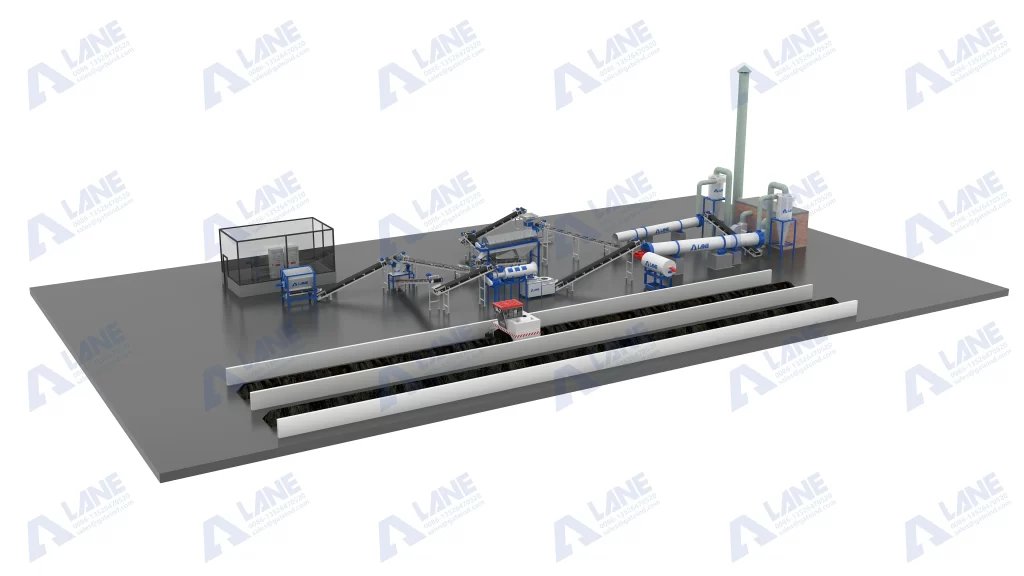
The working process of a cow dung production line in Argentina follows a clear order. Each step prepares the material for the next one. The goal is to make the fertilizer safe, stable, and easy to use.
Cow dung is collected and moved into the processing area. From there, it goes through crushing, fermentation, shaping, and final packing. The whole process is designed to be easy to understand and simple to operate.
Pre-treatment equipment
The first step in the cow dung production line in Argentina is pre-treatment. Fresh cow dung often comes in large lumps and contains unwanted materials.
A semi-wet material crusher is used to break the cow dung into smaller pieces. This helps make the material more even. After crushing, a rotary screening machine removes stones and other impurities.
If the cow dung is too wet, a solid-liquid separator can be used. This machine removes extra water and helps improve the next fermentation step.
Fermentation equipment
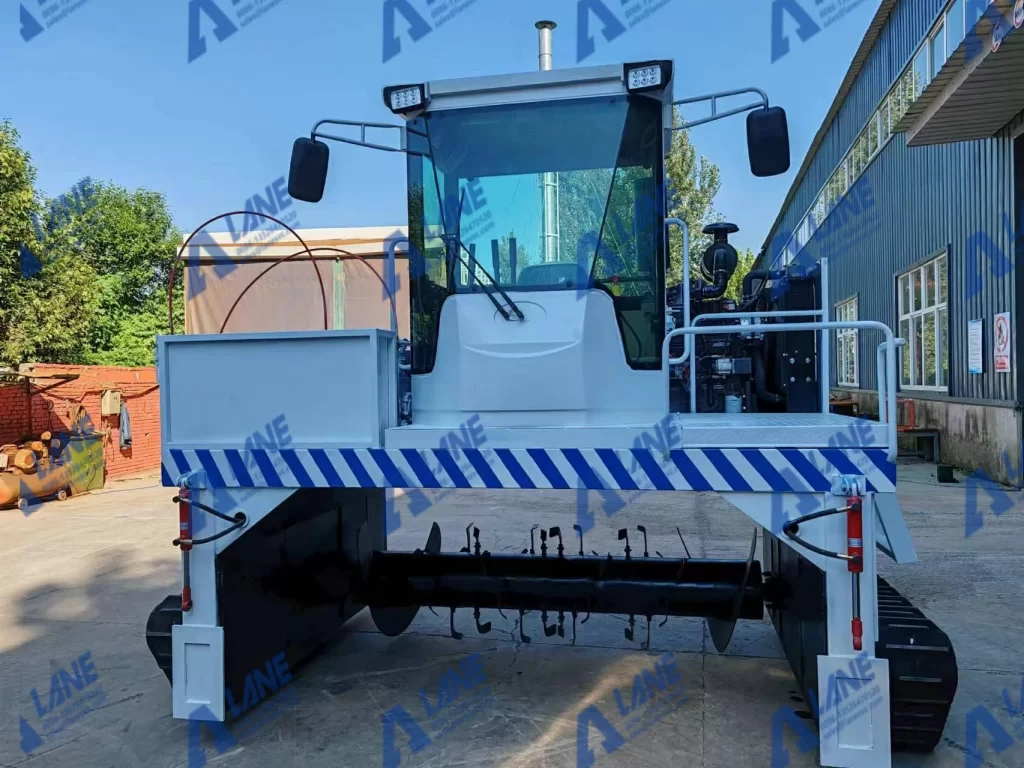
Fermentation is one of the most important parts of the cow dung production line in Argentina. After pre-treatment, the cow dung is moved to the fermentation area.
A crawler compost turner is used to turn and mix the material. This allows air to enter the pile and helps control temperature. Over time, harmful bacteria are reduced and bad smells disappear.
This step turns fresh cow dung into stable organic material that is safe for farming use.
Crushing and mixing equipment after fermentation
Once fermentation is finished, the material needs to be processed again. A chain crusher is used to make the fermented cow dung finer and smoother.
After that, a horizontal mixer blends the material evenly. If needed, other organic materials can be added here. This step helps keep fertilizer quality consistent throughout the cow dung production line in Argentina.
Granulation equipment
Many farms prefer granular fertilizer because it is easier to use. In this case, a new type organic fertilizer granulator or a disc granulator is added to the line.
These machines shape the material into small round particles. Granular fertilizer is easier to store, easier to transport, and easier to spread in the field. This makes granulation an important part of many cow dung production line in Argentina projects.
Drying and cooling equipment
After granulation, fertilizer particles still contain moisture. A rotary drum dryer is used to dry the particles evenly.
Once drying is complete, a rotary drum cooler lowers the temperature of the fertilizer. Cooling helps prevent clumping and keeps the product in good condition during storage.
Screening and packaging equipment
After cooling, a rotary screening machine checks the particle size. Qualified particles move forward, while others return for reprocessing.
Finally, an automatic weighing and packing machine packs the fertilizer into bags. At this point, the cow dung production line in Argentina has completed the full production process, and the fertilizer is ready for sale or farm use.
Production capacity and fertilizer use
A 3t/h cow dung production line in Argentina can usually process around 20 to 24 tons per day. The final products can be powder organic fertilizer or granular organic fertilizer.
These fertilizers are widely used on pasture land, grain fields, and vegetable farms. They help improve soil structure and support long-term crop growth.
LANE experience and support
At LANE, we have over 20 years of experience in fertilizer machinery manufacturing. We provide complete cow dung production line in Argentina solutions, from equipment design to installation and after-sales support. Our machines meet ISO9001 and CE standards, helping customers run stable and reliable fertilizer production lines.
Final thoughts
A well-planned cow dung production line in Argentina helps farms turn daily waste into long-term value. With simple operation and clear equipment setup, this production line supports cleaner farming and better use of natural resources.
As sustainable agriculture continues to grow, cow dung fertilizer production will play an increasingly important role in Argentina’s farming future.
Henan Lane Heavy Industry Machinery Technology Co., Ltd.
Email: sales@lanesvc.com
Contact number: +86 13526470520
Whatsapp: +86 13526470520