
Efficiency and animal health in feed production is not just an industry slogan—it directly affects farm profits, food safety, and animal welfare. Within the first steps of feed manufacturing, decisions about raw materials, processing methods, and equipment layout can shape the final feed quality. In the first 100 words of this discussion, it is clear that efficiency and animal health in feed production sit at the center of modern feed industry conversations.
Animals rely on feed for energy, growth, and disease resistance. If feed is poorly processed, nutrients may be lost, digestion becomes harder, and animals may eat more but gain less. On the other hand, efficient production methods help maintain nutrient balance while keeping costs under control.
To understand efficiency and animal health in feed production, we first need to look at animal nutrition in simple terms. Most farm animals need:
When feed is evenly mixed and properly formed, animals absorb nutrients more easily. This supports stable growth and reduces waste. Good feed is not only about ingredients; it is also about how those ingredients are processed.
Modern feed plants usually follow a clear production path. Each step improves material quality and supports efficiency and animal health in feed production.
The crusher breaks large raw materials like corn, soybean meal, or grains into smaller particles. Smaller particles increase surface area, making mixing easier and digestion better for animals. Crushing also helps ensure that nutrients are evenly distributed in later steps.
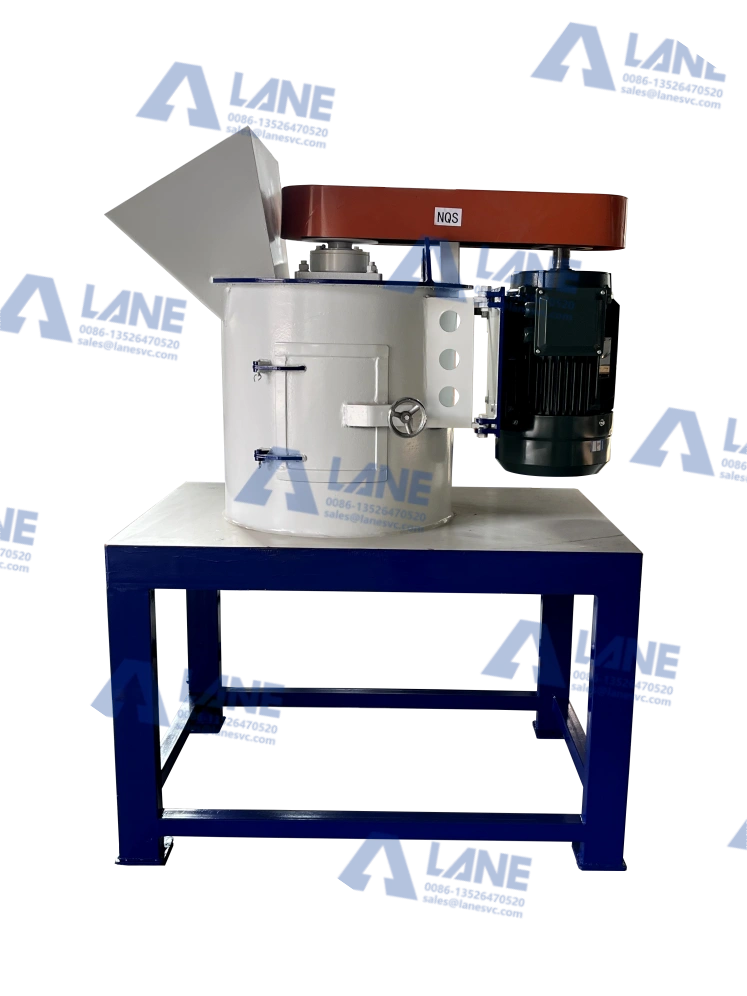
After crushing, materials move into a mixer. Here, different ingredients are blended into a uniform feed formula. A good mix means every bite contains the same nutrition. This step plays a big role in efficiency and animal health in feed production, because uneven mixing can lead to nutrient imbalance and animal stress.
The pellet machine presses mixed materials into compact pellets. Pellets are easier to store, transport, and feed. Animals also prefer pellets because they reduce dust and feed waste. Pelleting improves digestion and helps farms control feeding quantities more accurately.
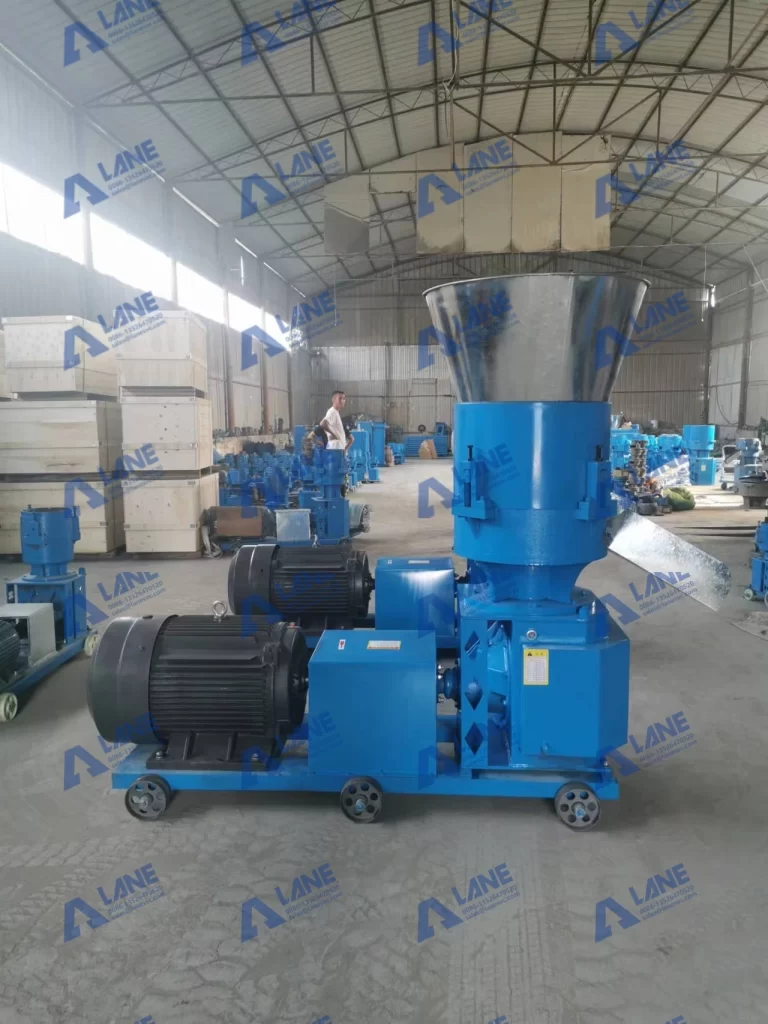
Fresh pellets are hot and slightly soft. A cooling machine lowers their temperature and removes excess moisture. This makes pellets harder and longer-lasting. Cooling is essential for large-scale plants focused on efficiency and animal health in feed production, as it prevents mold growth and nutrient loss.
The final step is packaging. Clean, accurate packaging protects feed from moisture and contamination. It also improves logistics and storage management, especially for commercial feed suppliers.

Not every feed producer needs the same equipment setup. Production scale plays a big role in equipment selection and overall efficiency and animal health in feed production.
For small farms or startup feed lines, a crusher, mixer, and pellet machine may be enough. When output is low, pellets can cool naturally, and a cooling machine may not be necessary. This reduces investment costs while still producing usable feed.
Medium and large feed plants, however, benefit from a full feed production line. Higher output means pellets stay hot longer, so cooling becomes important. Automated packaging also saves labor and improves consistency. Matching equipment size to production goals helps avoid waste and improves long-term efficiency.
Efficient machines do more than increase output. They protect nutrients, reduce dust, and create a stable feed structure. This directly supports efficiency and animal health in feed production by:
When machines work smoothly together, the whole production line becomes easier to manage and more reliable.
At LANE, we focus on efficiency and animal health in feed production by combining practical experience with flexible design. Our company has more than 20 years of experience in China’s fertilizer and related machinery manufacturing field. This long-term focus allows us to understand real production challenges, not just theoretical ideas.
We work with a professional engineering team that designs and builds equipment based on actual customer needs. Whether the project is small or large, we can customize machines and plan complete production lines, from layout design to on-site installation.
One-Stop Solutions and Strong After-Sales Support
We believe efficiency and animal health in feed production depend on stable, long-running equipment. That is why we provide one-stop services, including installation, training, maintenance, troubleshooting, and upgrades. Our support does not stop after delivery—we stay involved to ensure smooth operation over time.
Our equipment meets ISO9001 and CE quality standards, giving customers confidence in safety and reliability. While we are especially strong in organic fertilizer, compound fertilizer, and liquid fertilizer machinery, our production experience allows us to support feed-related processing solutions as well.
Building Long-Term Value Through Smart Production
Efficiency and animal health in feed production is not achieved overnight. It comes from smart planning, suitable equipment, and reliable partners. By choosing the right machines and adjusting production lines based on output needs, producers can improve feed quality while controlling costs.
At the same time, animals benefit from consistent nutrition, better digestion, and healthier growth. This balance between efficiency and care is what drives sustainable feed production forward.
As the feed industry continues to grow, efficiency and animal health in feed production will remain a top priority. Clear production steps, suitable equipment choices, and professional support all play important roles. With the right approach, feed producers can meet market demand while supporting healthier animals and more stable operations.
At LANE, we are proud to support this goal with experience, customization, and long-term service—helping customers turn raw materials into reliable, high-quality feed, every single day.
Henan Lane Heavy Industry Machinery Technology Co., Ltd.
Email: sales@lanesvc.com
Contact number: +86 13526470520
Whatsapp: +86 13526470520