
The rapid rise of eggshell fertilizer has surprised many farmers and food-industry operators who once saw eggshells as nothing more than messy waste. As shells accumulate in bakeries, central kitchens, and poultry-processing centers, businesses now recognize that these thin, fragile pieces can become a valuable soil amendment. Much of the growing popularity of eggshell fertilizer comes from both the natural benefits of the material and the accessible machinery that allows production lines to run smoothly even in small facilities. The shift has been so steady that shells, once an afterthought, increasingly appear in agricultural supply stores as neatly packaged pellets ready for field use.
Eggshells themselves provide the essential calcium carbonate that makes eggshell fertilizer so effective for balancing soil acidity and strengthening plant cell walls. But shells are rarely used alone. Production lines usually combine them with organic nitrogen sources such as chicken manure, soybean meal, or fermented kitchen scraps. These additions not only fill nutritional gaps but also help the shells ferment more evenly.
Microbial starters are introduced to break down organic matter and ensure that nutrients become plant-available. Rice husk, sawdust, or shredded straw adjusts moisture and improves aeration. Some producers sprinkle in small amounts of biochar or trace minerals to meet the preference of local growers. These combinations are rarely identical from one facility to another; they evolve through small adjustments shaped by local climate, available raw materials, and operator experience. Through this natural refinement, each plant ends up creating its own variation of eggshell fertilizer.
Even though the materials are simple, producing clean, uniform eggshell fertilizer requires specialized machinery. In most facilities, shells arrive mixed with egg white and membrane residue. A compact eggshell washing machine handles early cleaning, reducing odor and making the shells easier to process. Workers often mention how this early step prevents problems during later stages.
The washed shells move to a vertical crusher—normally a hammer mill or cage crusher—which reduces them to fine calcium powder. This powder must be consistent in size to form stable pellets and ensure reliable nutrient release. Because humidity can make the powder clump, many plants rely on a rotary dryer or low-temperature dryer to achieve the ideal moisture level.
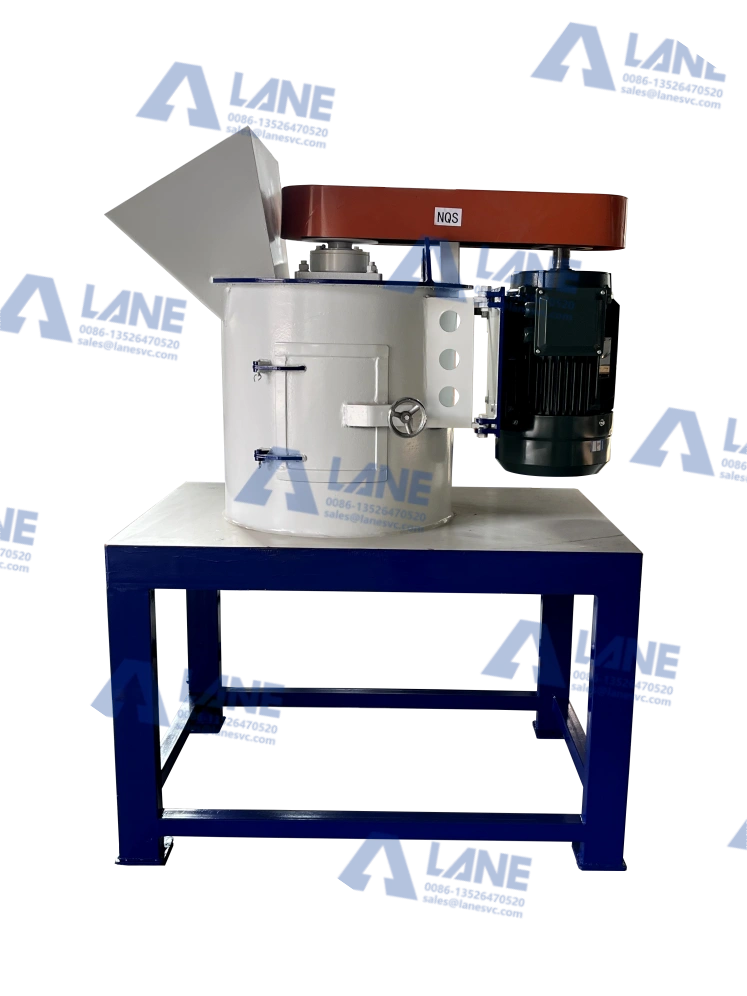
The powdered shells then blend with manure, microbes, and organic residues in a horizontal-mixer. Over time, operators develop an instinct for how long each batch should mix. A slightly wetter morning batch may need two extra minutes; an ultra-dry batch may need a splash of recycled moisture. These small adjustments become part of daily life in an eggshell fertilizer plant.
Fermentation follows, carried out either in an aerobic vertical fermentation tank with automated controls or with a crawler-type-compost-turner for larger operations. Inside the tank, temperature rises as microbes activate, and plant operators watch the numbers carefully. Many have learned to shift batches depending on weather: on hot afternoons, fermentation progresses faster; on cooler mornings, it needs more aeration.
Once the material stabilizes, it enters a drum granulator or disc granulator. Here loose particles roll and bind into smooth pellets. These pellets circulate through a rotary screener to separate the perfect granules from oversize and undersize pieces, which are recycled back into production. Dried, cooled, and conveyed toward an automatic packaging machine, the pellets finally become the polished product that stores and spreads easily.
Throughout this process, small real-life experiences accumulate. A facility near a humid coastal area once noticed its morning batches granulated unevenly because moisture condensed on delivery bins. The team simply adjusted the dryer’s warm-air flow, and granule consistency quickly improved. Another plant tucked beside a large bakery found that shell powder blended better when batches were delivered earlier in the day while the shells were still warm. These are not dramatic changes—just everyday adjustments that quietly shape a better eggshell fertilizer.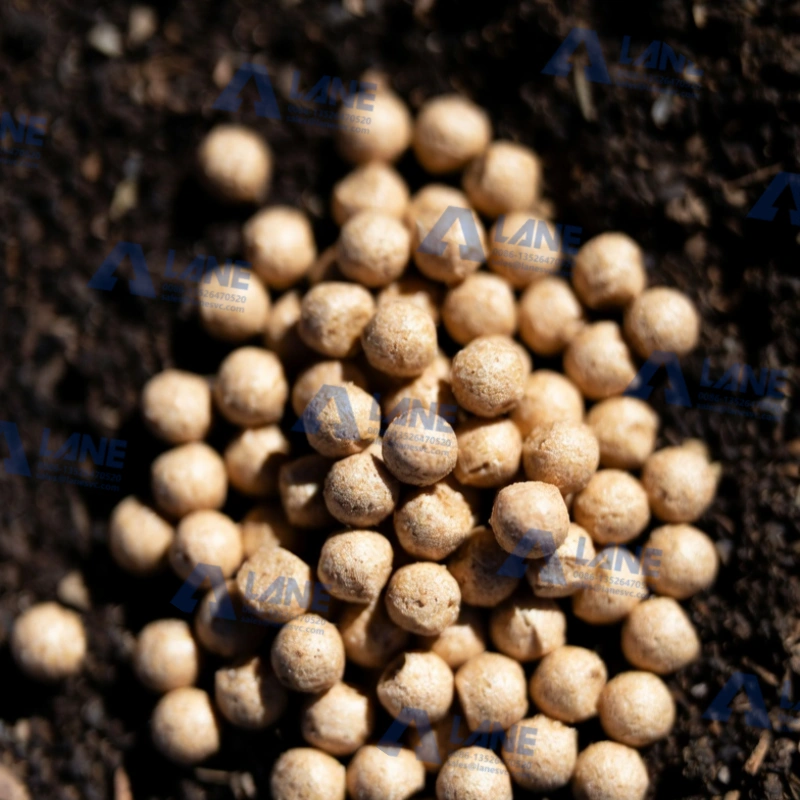
Calcium-related deficiencies are common across vegetable fields and orchards. Tomatoes crack, leafy greens weaken, and soil acidity slowly increases after years of intensive cultivation. Farmers are increasingly drawn to eggshell fertilizer because it supplies slow-release calcium and gentle organic matter without the harsh effects associated with some chemical amendments.
The pellets are easy to broadcast with common agricultural spreaders, making application simple for both small farmers and large plantations. Home gardeners use them around fruit trees and tomato beds. Landscaping teams apply them during soil renovation projects to stabilize pH levels. Municipal greening departments use eggshell fertilizer in parks to support long-term soil health. As demand increases, more food-processing centers look at their waste streams differently, recognizing the value hidden in every shell they once discarded.
How LANE Supports the Industry’s Growth
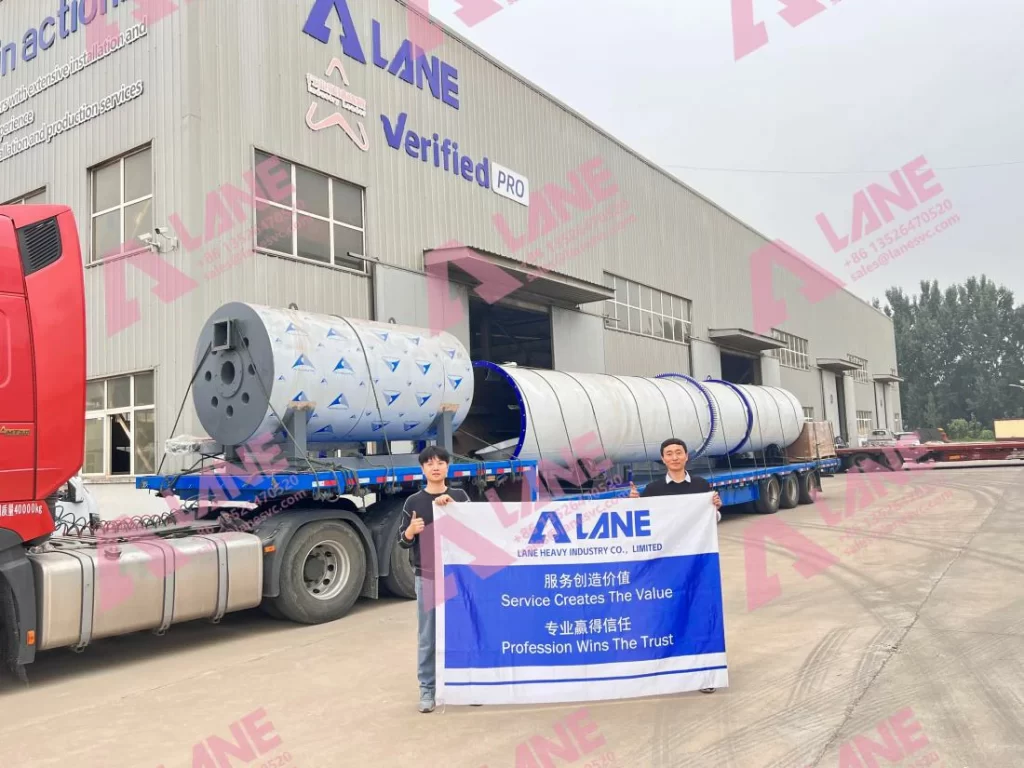
Many of the most stable and efficient eggshell fertilizer production lines are built with technology from LANE, a company specializing in manufacturer of fertilizer machinery in China for more than 20 years. LANE’s engineering team designs complete systems that include crushers, dryers, mixers, fermentation tanks, granulators, screeners, coolers, dust collectors, and packaging machines. Each line is customized based on a facility’s raw materials, climate, and desired capacity.
LANE’s equipment follows ISO 9001 and CE international standards, giving producers confidence as they scale production or enter new markets. Beyond installation, LANE provides long-term technical support—troubleshooting, maintenance, spare parts, and upgrade services—ensuring that the entire fertilizer line runs efficiently. Whether a facility produces organic fertilizer, compound fertilizer, NPK pellets, or large volumes of eggshell fertilizer, LANE focuses on ensuring that every machine works harmoniously with the next.
This commitment to full-line service has made LANE a trusted partner for producers that rely on precision, stability, and consistent output. As more recycling-driven fertilizer plants appear worldwide, LANE’s role in enabling high-quality eggshell fertilizer production continues to expand.
What once seemed fragile and useless—discarded eggshells—now supports healthier soil, stronger crops, and greener cities. Through a mix of simple ingredients, practical experience, and reliable machinery, eggshell fertilizer has become a quiet force in sustainable agriculture. Each batch tells a story of adaptation: adjusting dryer temperatures after rain, changing fermentation timing during cooler seasons, or rebalancing mixtures based on local manure supply.
In this evolving landscape, small improvements accumulate. Operators refine techniques, machines are upgraded, and production lines grow more efficient. All these moments—mundane yet meaningful—collectively shape the rise of eggshell fertilizer, turning everyday kitchen waste into something far more enduring.
For more details, please feel free to contact us.
Henan Lane Heavy Industry Machinery Technology Co., Ltd.
Email: sales@lanesvc.com
Contact number: +86 13526470520
Whatsapp: +86 13526470520