
Every year, households and gardens generate tons of organic waste. Fruit peels, coffee grounds, fallen leaves, and vegetable trimmings are valuable organic waste that are disposed of in landfills where they release methane gas as they decompose. An integrated composting system offers a transformative solution which turns this waste into nutrient-dense compost.
For generations, farmers have known about compost. It transforms struggling soil into a thriving ecosystem. Traditional composting is slow, messy, or complex. This is where an integrated composting system thrives. It is a methodical approach that elevates simple decomposition into a streamlined, efficient engine for creating “black gold.”
An integrated composting system is not a single bin or pile. It is a multi-stage approach which efficiently combines different composting methods to accelerate decomposition. This system optimizes nutrient production to produce a perfect, balanced soil amendment.
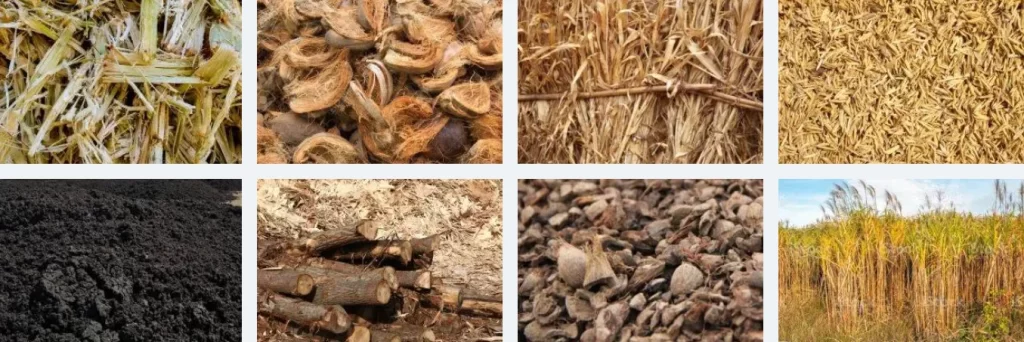
Traditionally, agricultural and food scraps and yard waste follow a linear path: collection, transportation, and disposal in landfills. In the landfill, the organic matter is compacted into an oxygen-starved environment. Because of that, organic matter decomposes anaerobically and releases methane. Methane is a potent greenhouse gas.
This system does not just waste land but also wastes valuable raw materials into toxic methane. An Integrated Composting System disrupts this cycle by creating a controlled onsite production line.
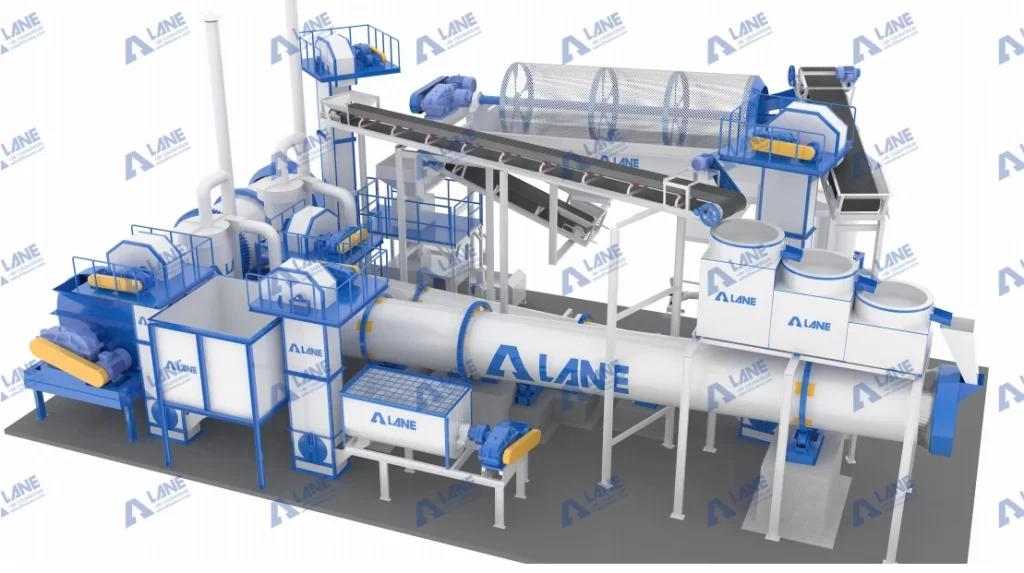
So, what sets an Integrated Composting System apart from a simple compost pile? Integration means connection and synergy. It’s a system where an agri-farm or garden integrates composting into their system for greater efficiency and output.
Integrated Input Streams: A composting system doesn’t just handle vegetable peels or farm waste. It mixes nitrogen-rich greens like kitchen scraps, coffee grounds, and manures with carbon-rich browns like dried leaves, cardboard, and sawdust.
Integrated Design and Process: An Integrated Composting System might also combine methods for speed and completeness. For example, you can integrate windrow composting with a LANE compost turner with a ground-level vermicomposting system for faster composting.
Each component handles different volumes or stages, creating a continuous flow from fresh waste to finished product.
Integrated into the Landscape: An Integrated Composting System is a functional part of your farm or homestead. The waste generated in your farm and garden can be used to create the compost. The nutrient output is then directly used back into your farm, garden beds, potted plants, or lawns, completing the loop.
The composing method is a managed system. An Integrated Composting System is a biological symphony conducted by temperature, moisture, and air.
The Microbial Workforce: When you establish your Integrated Composting System with the right balance of materials, you are using the microbes, bacteria, and fungi available in nature to work for you. They are the primary decomposers. They are the primary decomposers. They break down complex organic compounds through their metabolic activity.
The Curing and Refinement: After the hot, active phase, the material needs to be cooled and gone through the ageing process. You can integrate a vermicomposting system with secondary decomposers. In this method, worms are used to further break down matter, creating stable humus. This humus is the dark, crumbly, earthy-smelling “black gold.”
It is not just a simple fertilizer; it is a complex, nutrient-dense organic material teeming with beneficial microbes.
The output of your Integrated Composting System is a complex, nutrient-dense organic material teeming with beneficial microbes. It is fundamentally different from the waste that entered it.
A Slow-Release Fertilizer: This is a slow-release organic fertilizer that releases nitrogen, phosphorus, and potassium slowly, in harmony with plant uptake.
A Soil Conditioner: This premium compost improves soil structure. In sandy soil, it increases water retention. In clay soil, it enhances drainage and aeration. This fertilizer builds soil’s sponge-like quality and resilience.
A Biological Inoculant: Compost fertilizer introduces and feeds a diverse population of beneficial soil organisms into your farm and garden soil. Those microbes form symbiotic relationships with plant roots and help suppress soil-borne diseases.
An Integrated Composting System is accessible to many farmers or gardeners with available land. LANE Heavy Industry offers fermentation tanks for farmers or gardeners with a lack of land and compost turners with an automatic water spray system.
The process starts with auditing your farm’s organic waste and available space. You can source the raw material locally. The key is to design a connected workflow that suits your farm.
In an era of climate urgency and resource scarcity, the integrated composting system is more than a farming tool. It’s a nutrient-recycling revolution. By thoughtfully integrating our waste streams, decomposition methods, and garden needs, we accomplish a closed-loop system. By turning discarded organic matter into soil’s most valuable fuel, we are helping change the climate for future generations.
For more details, please feel free to contact us.
Henan Lane Heavy Industry Machinery Technology Co., Ltd.
Email: sales@lanesvc.com
Contact number: +86 13526470520
Whatsapp: +86 13526470520