
Because of modern technology, the livestock and poultry sector has seen a huge boom. But this boom came at the cost of manure pollution. For many years, livestock manure has been a waste product that required storage, handling, and odor control. It was seen as a necessary cost of business. However today, a manure processing plant is no longer just a solution; it has become a business asset.
Manure is now seen as a high-quality raw material for organic fertilizer production. By converting a liability into a suite of marketable products, forward-thinking farmers and agri-investors are unlocking new revenue streams. Manure can be converted into high-quality organic fertilizer, biogas, and other products. Building a manure processing plant is no longer just an environmental protection measure but a profitable business layout. This article builds the financial and operational business case for a manure processing plant, with a focus on the production line technology from LANE Heavy Industry.
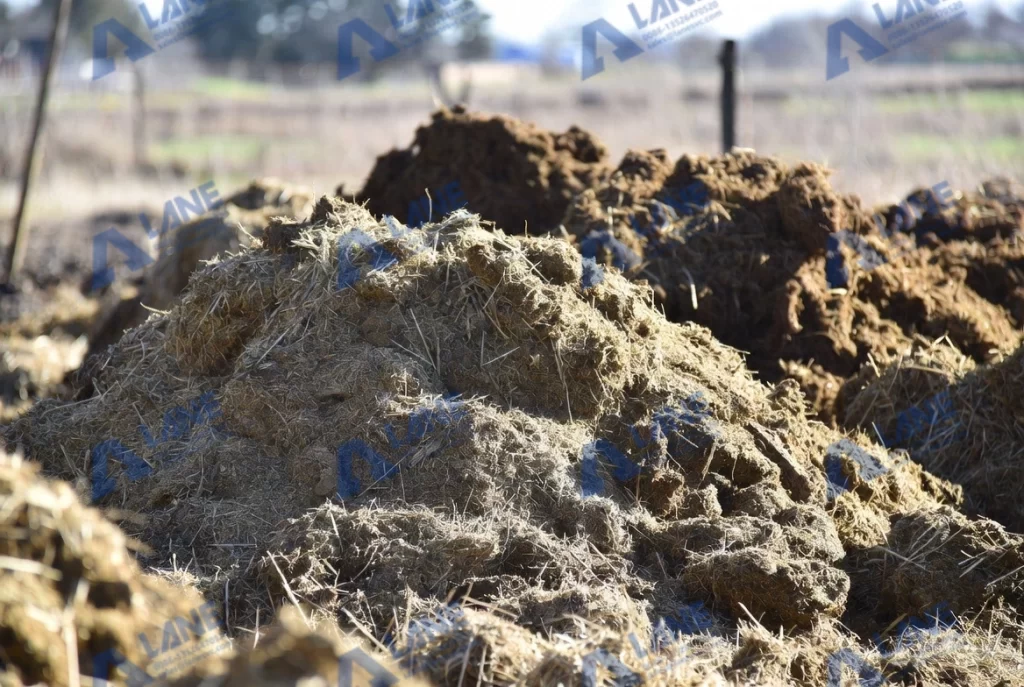
A well-designed manure processing plant can transform raw manure into stable, transportable, and valuable commodities:
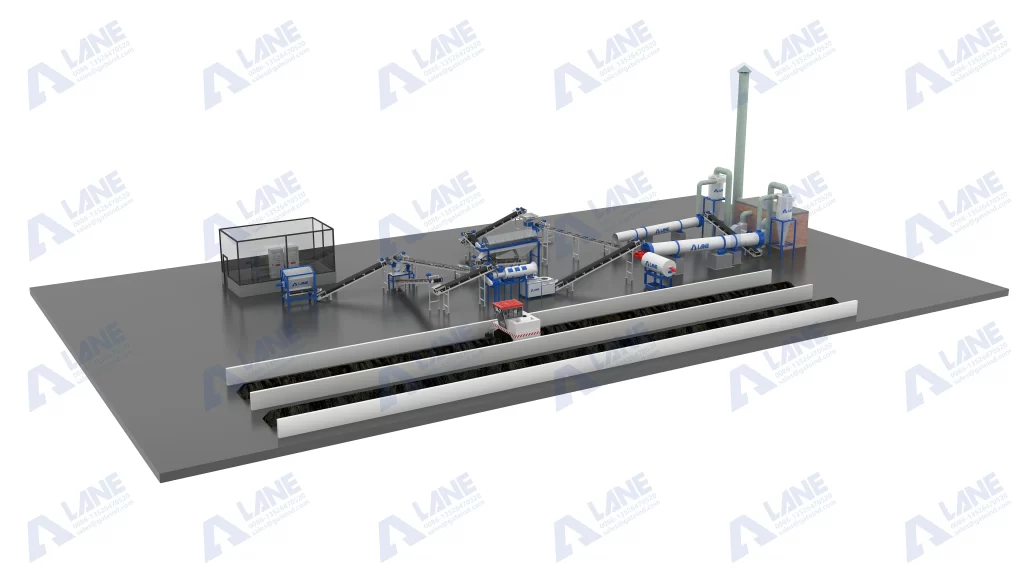
The efficiency and profitability of a manure processing plant depend on a reliable production line. LANE Heavy Industry provides a complete, turnkey production line which is engineered for continuous, high-capacity operation.
LANE provides a one-step solution. This means a single supplier designs, manufactures, and integrates the whole production line. This reduces compatibility issues, streamlines maintenance, and maximizes overall system uptime.
The investment in a LANE manure processing plant is significant, but the ROI makes it justifiable through multiple income and cost-saving vectors.
Revenue Streams:
Cost Reductions:
Investment & Payback:
While capital expenditure varies by scale, a mid-sized plant using LANE technology can see a payback period of 2 to 3 years. This accelerates with larger operations, favorable energy prices, and strong organic fertilizer markets. Grants and green energy subsidies for sustainable agriculture can further improve the financial situation.
The business case extends beyond direct financials:
Building a manure processing plant has broad market prospects and strong policy support. It is a definitive step from traditional waste management to modern resource recovery. It represents a strategic pivot that aligns economic goals with environmental stewardship. LANE Heavy Industry’s professional manure processing production lines, with their high efficiency, stability, and customization advantages, provide a solid foundation for enterprises to invest in and operate manure processing plants.
Q1: What is the typical lifespan of a LANE Heavy Industry manure processing plant?
A1: With proper maintenance, the core processing equipment from LANE is engineered for a lifespan of 15-20 years or more, making it a long-term capital asset.
Q2: How much space is required for a complete plant?
A2: Space needs vary by capacity. A compact, modular system for a mid-sized dairy might require 1-2 acres. LANE engineers work with clients to design layouts that optimize existing farm footprints.
Q3: Is the operation of the plant labor-intensive?
A3: No. A key design principle of the LANE production line is automation. The integrated control system allows the plant to run with minimal manual intervention, typically requiring only 1-2 dedicated personnel per shift for monitoring and routine tasks.
Q4: Can the plant handle manure from different types of livestock?
A4: Yes. LANE machinery is designed to process a variety of manures (dairy, swine, poultry). The specific process parameters and equipment settings may be adjusted to account for differences in solid content and fiber structure.
Q5: What about odors from the processing facility itself?
A5: Modern manure processing plants are designed to be enclosed and can include integrated air scrubbers or biofilters as part of the LANE system. This effectively contains and treats any process odors, making the facility a good neighbor.
Q6: Are there financing or grant options available for such a project?
A6: Yes. Many governments and agricultural agencies offer grants, low-interest loans, or tax incentives for projects that improve environmental sustainability, nutrient management, and renewable energy production, all of which apply to a manure processing plant investment.
For more details, please feel free to contact us.
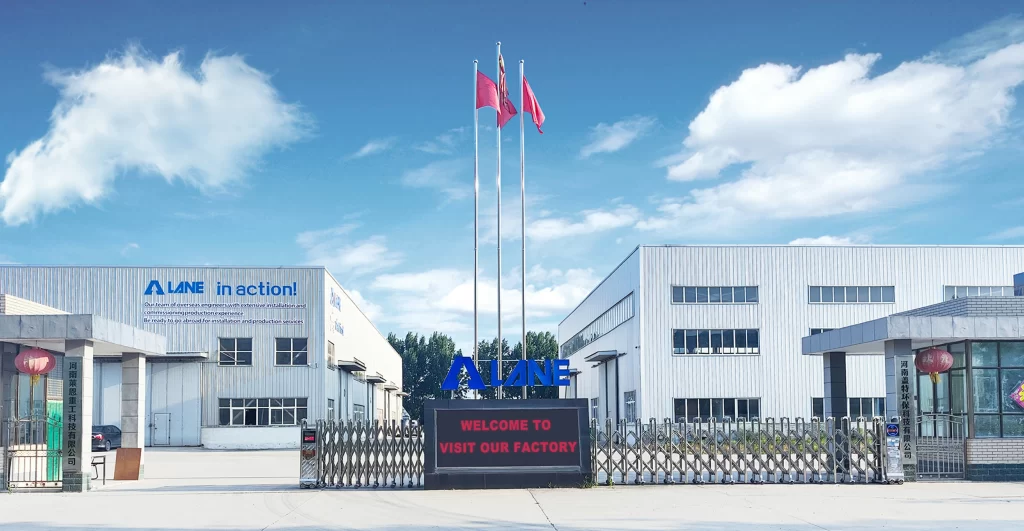
Henan Lane Heavy Industry Machinery Technology Co., Ltd.
Email: sales@lanesvc.com
Contact number: +86 13526470520
Whatsapp: +86 13526470520