
Organic fertilizer batch fermentation is one of the core technologies of sustainable green agriculture. It transforms livestock manure, crop straw, and food residues into nutrient-rich fertilizers. This is a natural process where we use microbial power to recycle biomass.
LANE Heavy Industry, one of the pioneers of the fertilizer industry, specializes in durable, scalable solutions for the agri-tech sector. We have optimized this traditional process with advanced equipment, making batch fermentation more efficient and reliable.
This article will explain the essence of Organic fertilizer batch fermentation. Understanding and optimizing batch fermentation is key to delivering efficient and eco-friendly organic fertilizer systems.
This article deciphers the essence of organic fertilizer batch fermentation, its standardized process, and the dual-sided attributes it presents in practical applications.
Batch fermentation for organic fertilizer is a controlled, discontinuous biological process where microorganisms break down raw organic materials such as animal manure, crop residues, food waste, and green wastes in a single sealed container.
This is not a continuous process. There is a beginning and end to the process cycle for this fermentation. The raw materials are loaded based on the optimal ratio of carbon to nitrogen, normally it is (25:1/30:1). The finished product is fully unloaded before a new cycle begins.
The end goal is to make a stable, odorless humus-like substance which is rich in organic matter and beneficial microbes.
This method stands in contrast to simple composting. Both processes are aerobic, but Organic fertilizer batch fermentation is a more controlled process. The composting time is shorter and the end product is a superior premium fermented compost.
LANE Heavy Industry designs systems that precisely manage aeration, temperature, and moisture. This creates an ideal environment for bacteria to thrive and rapidly decompose organic materials while also ensuring pathogen elimination and weed seed destruction.
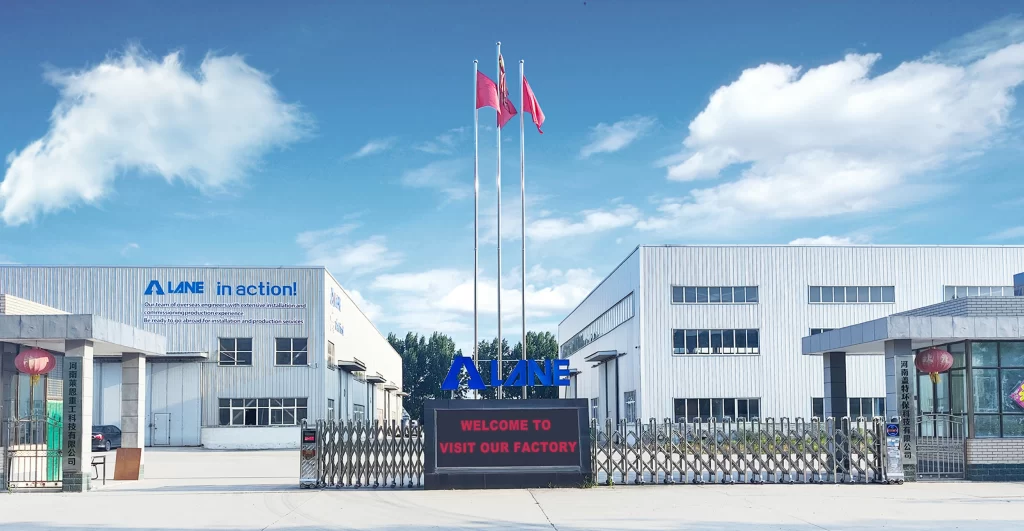
This process is managed within a dedicated fermentation tank.
2.1 Pre-Treatment & Feedstock Preparation
The process begins with the collection and preparation of organic raw materials. Materials are shredded or milled to increase surface area and mixed to achieve an optimal Carbon-to-Nitrogen (C:N) ratio (typically 25:1 to 30:1).
2.2 Loading & Inoculation
The prepared raw organic materials are loaded into the fermentation vessel. Here, a microbial inoculant, which is a mix of beneficial bacteria and fungi, is introduced to “jump-start” the process.
2.3 The Active Fermentation Phase
Once loaded, conditions within the fermentation tank are carefully controlled.
2.4 Curing & Stabilization
After the fermentation is done, the raw materials are transferred to a curing area. Here it is cooled down and undergoes further decomposition by different microbial communities. This stage is vital for stabilizing the product, allowing organic acids to break down further, and forming stable humus.
2.5 Screening, and Packaging
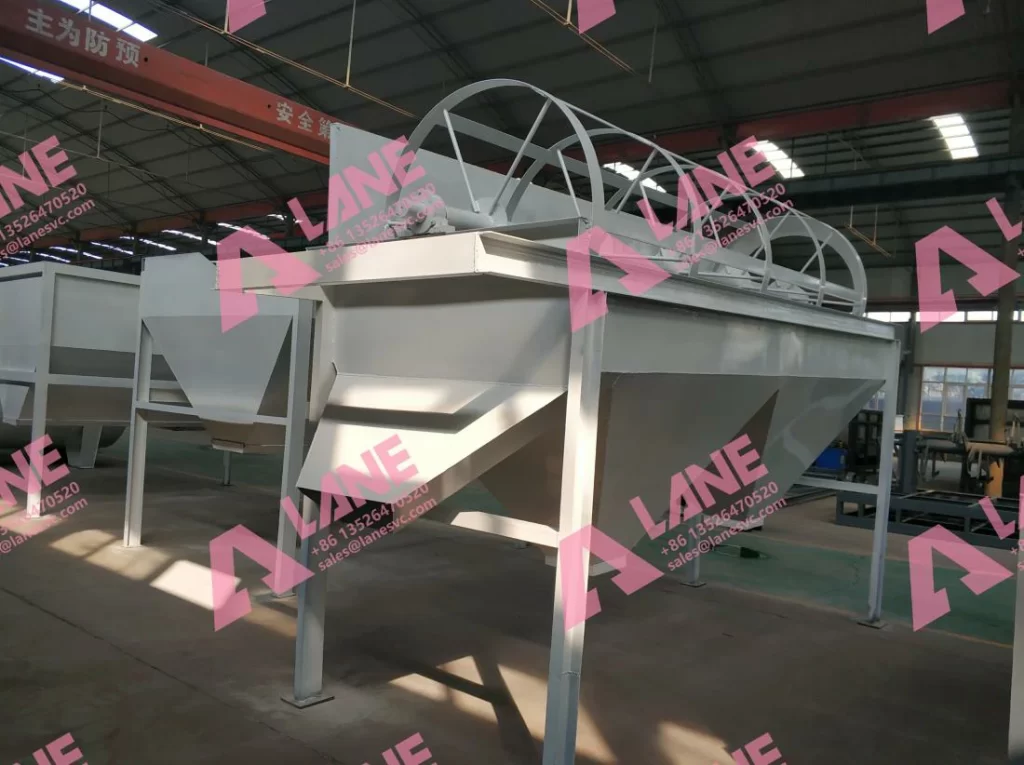
The final, stabilized product is sent to the LANE rotary screening machine to remove any oversized particles. It creates a uniform, fine organic fertilizer ready for bagging or bulk application.
Like any technology, Organic fertilizer batch fermentation has its own advantages and challenges.
3.1 Pros (Advantages)
3.2 Cons (Challenges)

For more details, please feel free to contact us.
Henan Lane Heavy Industry Machinery Technology Co., Ltd.
Email: sales@lanesvc.com
Contact number: +86 13526470520
Whatsapp: +86 13526470520