
Table of Contents
Understanding Organic Fertilizer Raw Materials
Organic fertilizers are made from natural organic wastes and are essential for sustainable agriculture. They enrich soil fertility without chemical harm. The foundation of any successful organic fertilizer operation begins with the right raw materials. Different organic fertilizer examples present unique challenges and opportunities in processing. At LANE Heavy Industry, we’ve designed our machinery to handle the most common raw material categories. Below are typical organic fertilizer examples and their categories:
Animal-Based Materials:
Plant-Based Materials:
Industrial By-Products:
Each of these organic fertilizer examples requires different handling approaches in the production line. These specialized approaches help maximize nutrient retention and create a market-ready product.
A complete organic fertilizer production line transforms raw organic materials through several key stages:
Pre-Treatment Phase:
Raw materials first undergo shredding and mixing to achieve consistent particle size and composition. For high-moisture organic fertilizer examples like fresh manure, dewatering equipment may be employed. LANE’s heavy-duty shredders and crushers can handle even the toughest fibrous materials.
Fermentation & Composting:
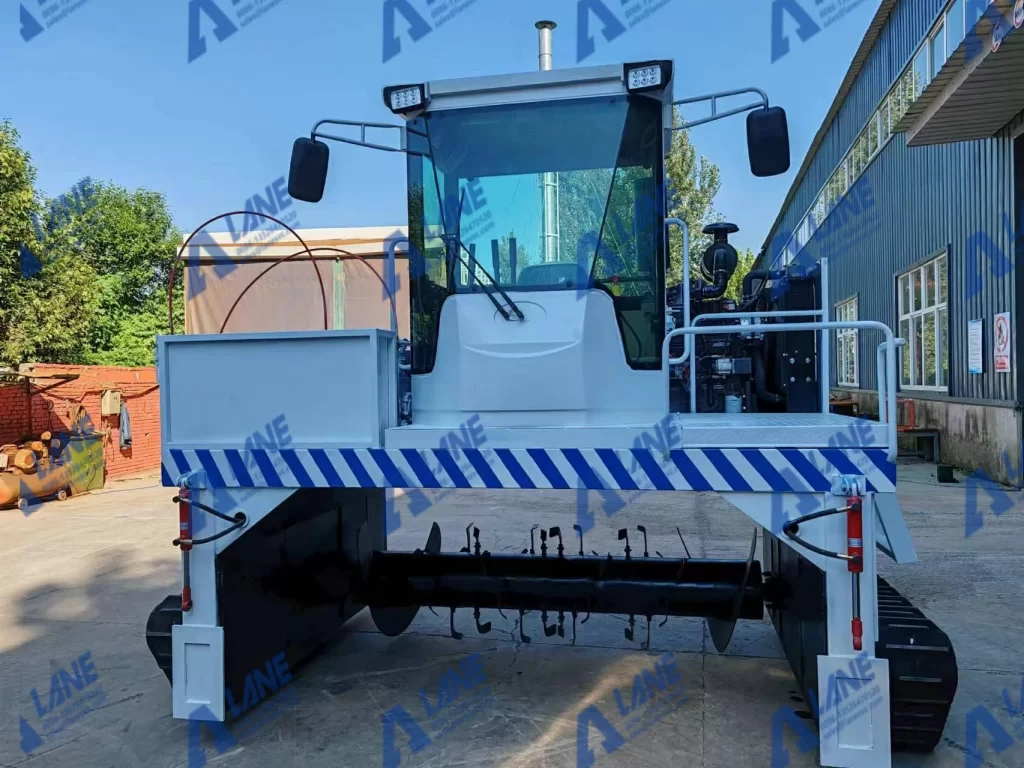
This stage stabilizes organic matter and eliminates pathogens. LANE’s advanced compost turners or fermentation tanks ensure proper aeration, temperature control, and moisture regulation. The duration of fermentation varies by material. Poultry manure may require 15-20 days, while plant-based materials might ferment faster.
Crushing & Screening:
After the curing process, the compost is sent to a LANE crusher to be crushed into a fine powder. Our vertical crushers handle clumped compost efficiently. After that, the powdered compost is sent to a mixer where the operator can add nutrients and micronutrients according to the formula.
After mixing, the compost is sent to the granulator. The granulation stage transforms powdered organic material into uniform pellets. Different organic fertilizer examples require different approaches:
Drying, Cooling & Packaging:
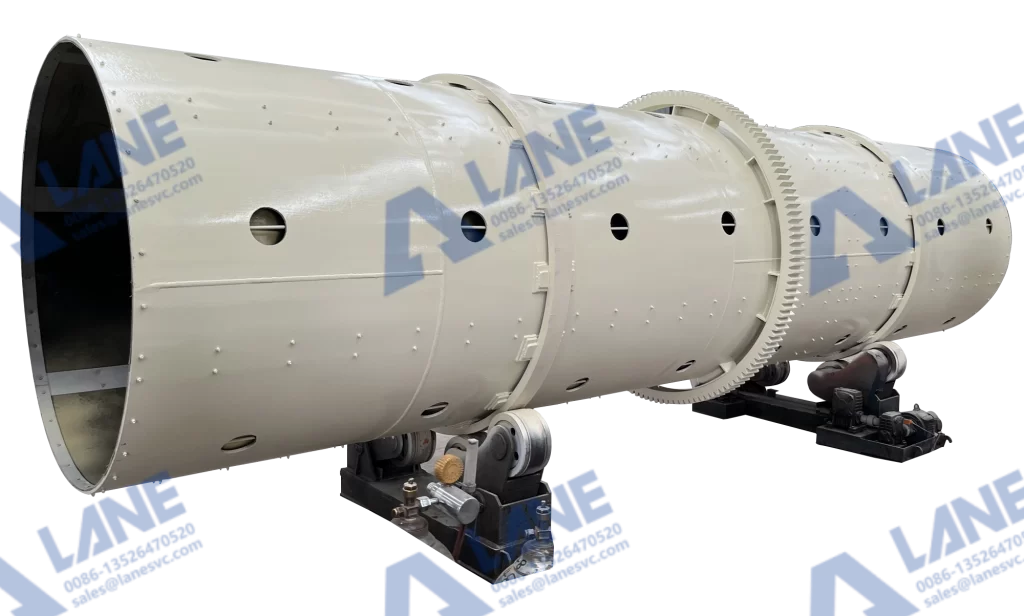
After granulation, the granules contain high moisture. To reduce the moisture, the granules are sent to rotary dryers that carefully reduce moisture without damaging nutrients. Then they are conveyed to a rotary cooler where cooling stabilizes the pellets before coating and packaging. Our automated packaging machine completes the production line.
LANE Heavy Industry provides integrated solutions for organic fertilizer example processing.
For Pre-Treatment:
For Fermentation:
For Granulation:
For Finishing:
Producing various organic fertilizer examples requires production line adjustments.
We include dewatering equipment and extend the fermentation time. Our fermentation systems include moisture sensors and automated turning schedules to optimize this process.
Focus on efficient shredding and careful drying. Plant materials contain more fiber. This requires crushers that won’t wrap or clog.
Precision mixing is the most important step for blended formulations. Our dynamic batching system ensures consistent nutrient profiles batch after batch.
Q1: How flexible is a single production line for different organic fertilizer examples?
A1: Modern LANE production lines are highly adaptable. With adjustable parameters in fermentation, granulation, and drying stages, one line can process multiple material types. Quick-change components and programmable controls maximize versatility.
Q2: What’s the minimum space required for a complete production line?
A2: A basic line starts at approximately 1,000 square meters, including raw material storage, processing area, and finished product storage. We design compact layouts for space-constrained operations and expandable designs for growing businesses.
Q3: How do you control odor during processing?
A3: Our enclosed fermentation systems and biofiltration options effectively manage odors. Proper aeration and moisture control in the composting stage significantly reduce odor emissions.
Q4: What production capacity can I expect?
A4: LANE systems range from 1-30 tons per hour. We recommend starting with a capacity that matches your raw material availability, with options to expand as your business grows.
Q5: How energy-efficient are these production lines?
A5: Our latest designs incorporate energy recovery systems, high-efficiency motors, and heat recycling from cooling to drying stages. Solar options are available for certain components.
Common organic fertilizer examples rely on scientific processing to unlock their value. Selecting the right organic fertilizer examples to process is the first step toward a successful operation. It requires matching the example materials with appropriate processing technology. LANE Heavy Industry brings decades of experience in designing, manufacturing, and installing complete organic fertilizer production lines.
Our engineers work directly with clients to analyze their specific raw materials, production goals, and site conditions. We recommend the optimal configuration of equipment to maximize efficiency, product quality, and return on investment.
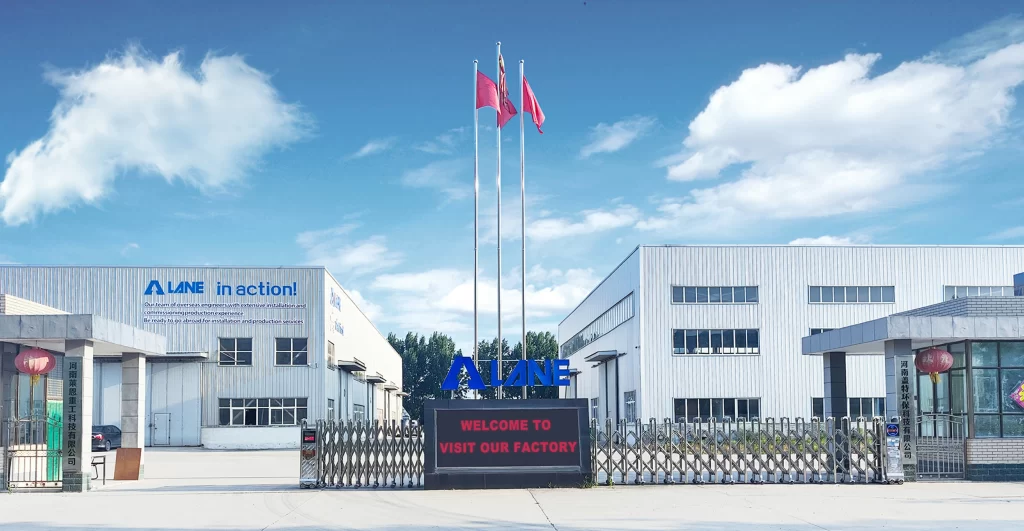
For more details, please feel free to contact us.
Henan Lane Heavy Industry Machinery Technology Co., Ltd.
Email: sales@lanesvc.com
Contact number: +86 13526470520
Whatsapp: +86 13526470520