
Organic fertilizer represents the sustainable agricultures vision. organic fertilizer production line from LANE Heavy Industry is engineered for high efficiency and durability. Investing in this production line is a significant step toward sustainable and profitable agriculture. The true value of this investment is unlocked not just through operation, but through diligent, proactive maintenance.
Long term operation under high humidity, corrosive materials, and continuous load inevitably causes wear and tear. A proper organic fertilizer production line maintenance is no only essential to ensure stable operation and consistent product quality; it also extend the service life of the equipment’s by 3-5 years. Proper organic fertilizer production line maintenance, reduces failure rate by 60% which results in lower production costs. This guide provides structured, actionable framework for maintaining your LANE Heavy Industry production line.
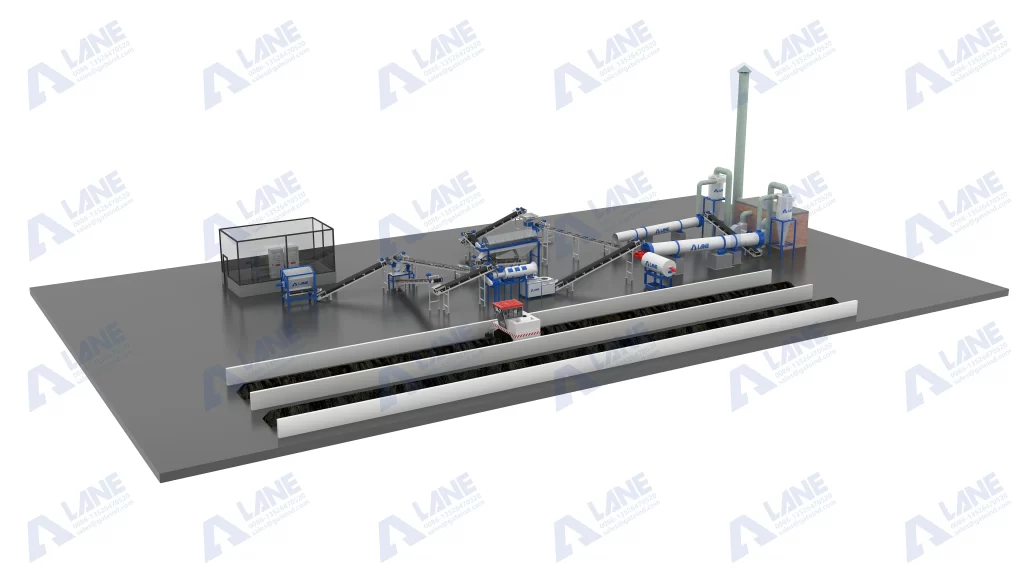
Table of Contents
An organic fertilizer production line is a complex system with many stages. It involves fermentation, crushing, mixing, granulation, drying, cooling, and screening. Each stage has machinery that has consistent contact with abrasive materials, moisture, and constant vibration. These conditions cause stress, and without a formal organic fertilizer production line maintenance plan, you risk:
A successful organic fertilizer production line maintenance strategy depends on decisive action and following a proper schedule.
This is your first line of defense. Perform the following tasks at the start or end of each shift:
Dedicate time for more thorough inspections:
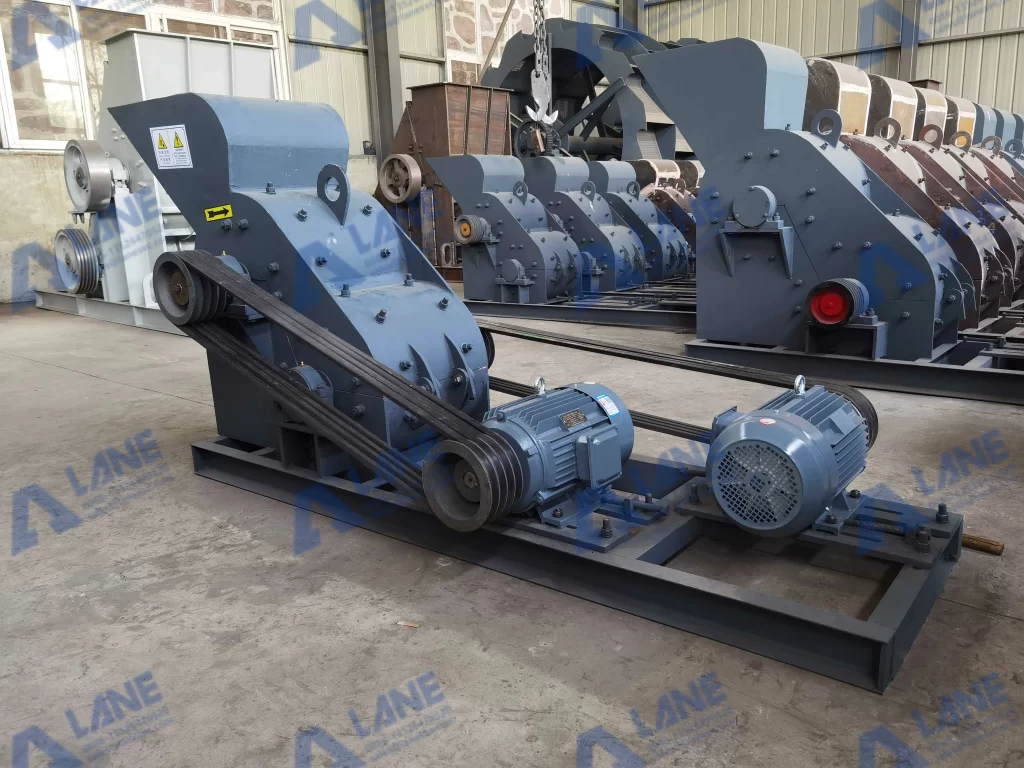
Once a year, plan for a complete shutdown and deep dive into the machines:
Q1: How often should I lubricate the bearings on my LANE granulator?
A1: Refer to the specific machine manual. As a general rule, high-speed, high-load bearings may need greasing every 8-24 hours of operation. Use only the grease type specified by LANE.
Q2: Can I use water to clean electrical components on the production line?
A2: Absolutely not. Use dry, compressed air or a soft brush to remove dust from electrical cabinets and motors. Moisture causes corrosion and short circuits.
Q3: My granules are no longer uniform. What part likely needs maintenance?
A3: This is most commonly due to worn granulator dies and rollers in a pellet mill or worn lining in a drum granulator. Inspect and measure these parts for wear. Also, check your screening unit for damaged mesh.
Q4: Where can I get original spare parts for my LANE production line?
A4: Always contact LANE Heavy Industry or an authorized dealer. Using non-original parts can void warranties and often leads to improper fit and premature failure, compromising your entire organic fertilizer production line maintenance program.
Q5: Is operator training considered part of maintenance?
A5: Yes, critically so. A well-trained operator who knows how to start, run, and shut down the line correctly and can spot early warning signs is your most valuable maintenance asset.
Organic fertilizer production line maintenance is a systematic task that directly impacts operational efficiency and equipment longevity. It focuses on core equipment upkeep, scientific cycle planning, and quick fault handling. Consistency is key to proper organic fertilizer production line maintenance. Viewing organic fertilizer production line maintenance as a necessary cost is a mistake. It is a strategic investment that pays dividends in reliability, product quality, and total cost of ownership. Document every inspection and service performed. This logbook becomes invaluable for troubleshooting and planning future maintenance.
For more details, please feel free to contact us.
Henan Lane Heavy Industry Machinery Technology Co., Ltd.
Email: sales@lanesvc.com
Contact number: +86 13526470520
Whatsapp: +86 13526470520