
For greater profit, modern farmers boost crop yield by using synthetic fertilizer, which has created soil compaction, decreased fertility, and environmental pollution. This made “Sustainable Soil Amendment for Farms” an urgent need for modern farmers.
The input cost of synthetic fertilizer and its effect on the climate have changed this situation. It is clear that synthetic nitrogen-based fixes are no longer enough. Consumers are also growing conscious about the effect of climate changes caused by agricultural pollution.
In this era of rising advocacy for sustainable agriculture, the health of farm soil has become a key topic. This guide will move beyond a fertilizer-only mindset and explore the practical, powerful Sustainable Soil Amendments for Farms that build long-term health, productivity, and profitability.
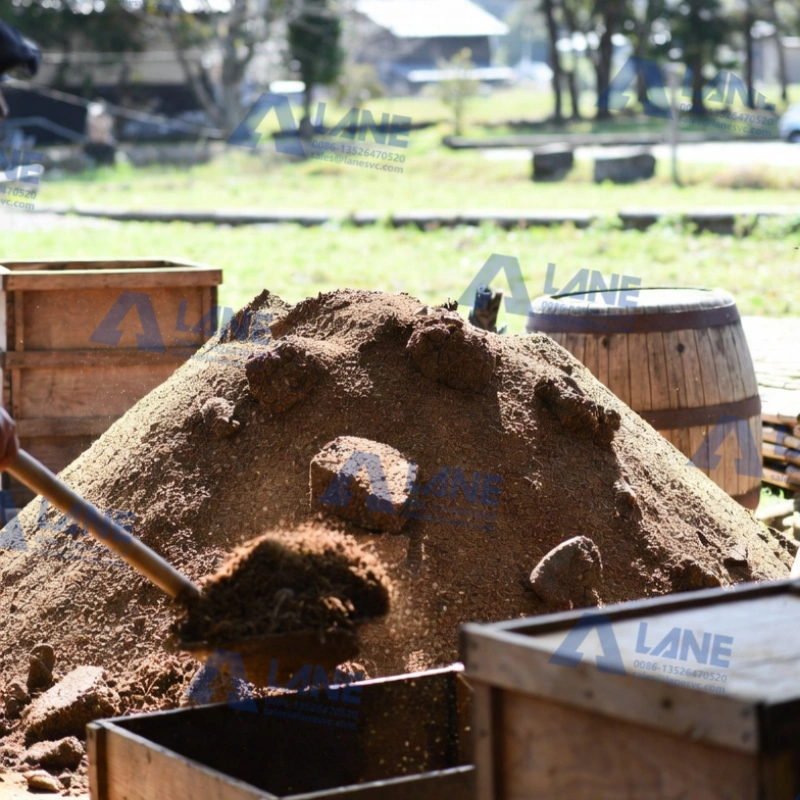
Synthetic fertilizers provide rapid nutrients to the plants, but they don’t help the soil’s biology or improve its structure. Over-reliance on synthetic fertilizer can lead to acidification, nutrient runoff, and compacted layers. This leads to the depletion of vital organic matter. They treat symptoms but don’t help with the cause.
A Sustainable Soil Amendments for Farms is any material added to soil primarily to enhance its physical, chemical, and biological properties. The goal of Sustainable Soil Amendments for Farms is not to feed the plant only this season, but to:
There are many Sustainable Soil Amendments for Farms that you can integrate into your management plan. Here is the list of four of the more prominent ones.
Compost is decomposed organic matter. It is the cornerstone of any soil health program.
It increases soil organic matter. This improves water retention, soil structure, and provides slow-release nutrients for microbes and plants.
Practical Application: Apply 3-5 tons per acre as a broadcast application before planting. Creating compost from on-farm material with the help of a LANE compost turner will help with the cost.
Farm Benefit: It reduces the dependency on purchased fertilizers. It also improves drought resilience and boosts microbial diversity.
Cover crops are plants grown not for harvest, but to protect and enrich the soil. They are a living in-place Sustainable Soil Amendments for Farms.
What they do: This type of soil amendment prevents erosion, suppresses weeds, fixes atmospheric nitrogen, breaks up compaction, and adds massive amounts of organic biomass when they are terminated.
Practical Application: Plant right after harvest. Choose the species of plant based on your goal: nitrogen fixation, biomass production, or compaction busting.
Farm Benefit: This type of crop manages soil moisture, reduces herbicide and fertilizer needs. It also provides habitat for beneficial insects.
Biochar is created by the process called pyrolysis. In this process, organic matter is heated in a low-oxygen environment.
What it does: Biochar is highly porous and a stable form of carbon. This acts like a coral reef in your soil. It provides a long-lasting habitat for beneficial microbes. It also increases the soil’s cation exchange capacity, which increases the soil’s ability to hold nutrients. Biochar holds carbon for centuries in the soil.
Practical Application: Biochar is most effective when it is charged with nutrient-rich materials like compost. Apply 1-5 tons of biochar compost per acre, tilled or banded into the root zone.
Farm Benefit: It enhances nutrient efficiency, reduces leaching, and improves soil structure in the long term.
Properly composted animal manures or digestates from biogas operations are nutrient-dense amendments.
What they do: This type of compost provides a balanced mix of macro and micronutrients while adding organic matter. A properly fermented compost created with the help of a LANE fermentation tank is homogeneous and has no odor.
Practical Application: With the help of a LANE compost turner or fermentation tank, the raw manure should be composted and well-aged to kill pathogens and weed seeds. You have to test nutrient content to calibrate application rates and avoid over-application.
Farm Benefit: The raw materials can be available on the farm or can be locally sourced as cheap waste. It reduces disposal issues and creates a low-cost, high-value amendment.

Transitioning doesn’t mean you have to do an overhaul overnight. You can start slowly but efficiently. Start with:
Test Your Soil: The first objective is to test the nutrients of the soil. This will establish a baseline for organic matter, microbial activity, and mineral balance.
Pick One Practice: Choose the most accessible Sustainable Soil Amendments for Farms from the list. Create compost from the raw materials and apply before planting.
Source Locally: You can minimize the cost by sourcing the raw materials for the compost locally. Check with neighboring livestock operations, or regional biochar producers.
Observe and Adapt: Monitor any changes in soil workability, water infiltration, and crop vigor. Keep records of inputs, costs, and yields.

For more details, please feel free to contact us.
Henan Lane Heavy Industry Machinery Technology Co., Ltd.
Email: sales@lanesvc.com
Contact number: +86 13526470520
Whatsapp: +86 13526470520