
In modern fertilizer and organic waste processing, fermentation equipment plays a central role. From improving material quality to speeding up production, the right machine can make daily operations much smoother. Among all options, the comparison of vertical fermenter VS horizontal fermenter is one of the most discussed topics in the industry.
At first glance, both machines do similar jobs. They mix, heat, and ferment raw materials into usable products. However, their structure and working style lead to very different results. Understanding these differences is the key to making a smart investment, especially when comparing a vertical fermenter VS horizontal fermenter for long-term use.
The first thing people notice is the shape. A vertical fermenter stands upright, taking advantage of height. Materials are loaded from the top and move downward during fermentation. This design is compact and often preferred when floor space is limited.

A horizontal fermenter, on the other hand, is laid out lengthwise. Materials move along the horizontal drum or tank, usually pushed or turned by internal blades. When discussing vertical fermenter VS horizontal fermenter, this structural difference directly affects how materials mix and how heat spreads.
Vertical designs rely more on gravity, while horizontal designs focus on continuous movement. Neither approach is “better” by default—it depends on how you plan to use the machine.
Mixing is essential for stable fermentation. In a vertical fermenter, mixing often happens in layers. Materials fall and rotate, which works well for uniform and fine raw inputs. This can result in steady fermentation, especially for consistent material types.
Horizontal fermenters provide constant turning along the entire length of the machine. This makes them very effective for mixed or uneven materials. In many vertical fermenter VS horizontal fermenter comparisons, users highlight smoother and faster fermentation in horizontal systems when dealing with complex inputs.
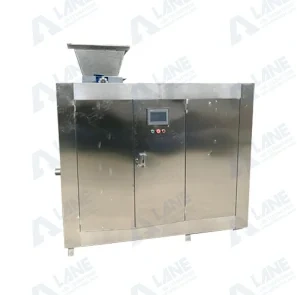
Efficiency is not just about speed. It is also about stability. Vertical machines often maintain heat more evenly due to their compact structure, while horizontal machines offer better airflow control.
Space is a practical concern for any factory. Vertical fermenters are known for their small footprint. They fit well into existing buildings or tight production areas. This makes them popular for plants looking to expand without rebuilding.
Horizontal fermenters require more floor space, but they are easier to integrate into continuous production lines. When planning a full production layout, the vertical fermenter VS horizontal fermenter decision often depends on available space and workflow design.
If height is not an issue, vertical units are efficient. If smooth material flow is a priority, horizontal designs are often chosen.
Ease of operation matters just as much as performance. Vertical fermenters usually have simpler feeding systems and fewer moving parts exposed on the outside. This can make daily operation feel more straightforward for operators.
Horizontal fermenters, while slightly more complex, offer better visibility during operation. Operators can easily observe material movement and make adjustments. In real-world vertical fermenter VS horizontal fermenter discussions, many users say horizontal machines feel more “active” and easier to control during fermentation.
Both systems can be automated, and modern control panels make operation user-friendly regardless of the design.
Maintenance affects long-term cost. Vertical fermenters are often easier to seal and protect from external dust or moisture. However, internal cleaning may require more planning due to the vertical structure.
Horizontal fermenters usually allow easier access for cleaning and inspection. This is an important point in any vertical fermenter VS horizontal fermenter evaluation, especially for plants that change materials frequently.
Regular maintenance keeps both systems running smoothly, but accessibility often gives horizontal units a small advantage in this area.
Production goals play a big role in equipment choice. Vertical fermenters are excellent for batch processing and stable output. They are often used when production volumes are predictable.
Horizontal fermenters are better suited for continuous or large-scale production. When companies compare vertical fermenter VS horizontal fermenter for expansion, horizontal systems are often preferred because they scale more easily within a full production line.
Choosing the right machine means thinking not only about current needs but also future growth.
Initial cost and operating cost should both be considered. Vertical fermenters often have lower installation costs due to simpler foundations and compact size.
Horizontal fermenters may require more investment at the beginning, but they can reduce labor and processing time. In many vertical fermenter VS horizontal fermenter cost comparisons, long-term efficiency balances out the higher upfront price of horizontal units.
A clear budget plan helps avoid surprises later.
Vertical fermenters are commonly used in organic fertilizer plants, small to medium production lines, and facilities with limited space. They are reliable and easy to integrate.
Horizontal fermenters are often chosen for large fertilizer plants, composting facilities, and projects requiring continuous processing. When reviewing vertical fermenter VS horizontal fermenter use cases, horizontal systems clearly stand out in high-volume operations.
Each machine has a natural environment where it performs best.
At our company, we have focused on fertilizer machinery for over 20 years. We understand that choosing between a vertical or horizontal fermenter is not just about fermentation equipment—it is about the entire production process.
We work with a professional engineering team that designs and customizes machines based on real customer needs. Whether you need a single fermenter or a complete fertilizer production line, we handle design, manufacturing, installation, and commissioning.
We also provide full after-sales support, including maintenance, troubleshooting, and upgrades. Our equipment meets ISO9001 and CE quality standards, ensuring reliable performance. From organic fertilizer to compound and liquid fertilizer equipment, we offer complete and proven solutions.
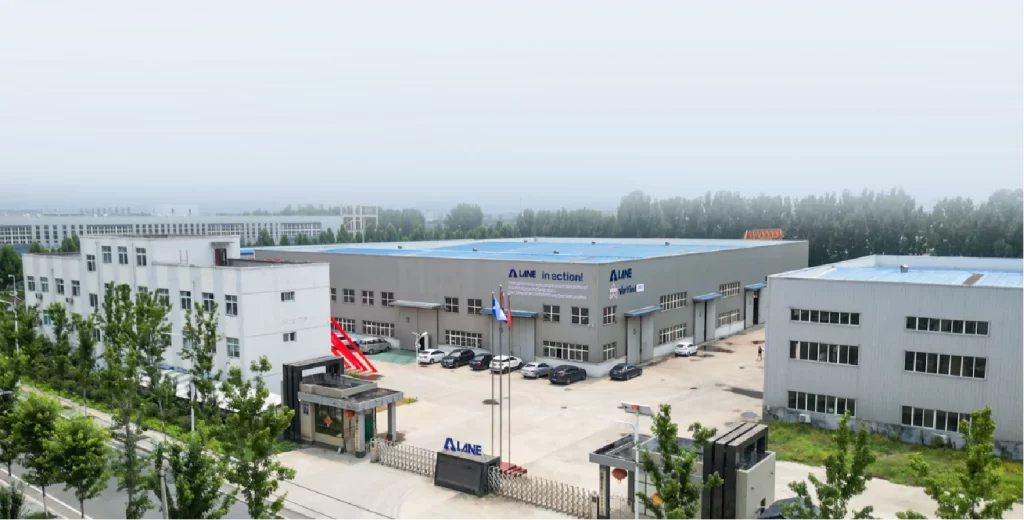
There is no universal answer when comparing vertical fermenter VS horizontal fermenter. Each design has clear strengths, and the best choice depends on space, materials, production goals, and budget.
By understanding how structure and efficiency differ, you can make a decision that supports long-term success. With the right partner and the right equipment, fermentation becomes not a challenge, but a competitive advantage.
Henan Lane Heavy Industry Machinery Technology Co., Ltd.
Email: sales@lanesvc.com
Contact number: +86 13526470520
Whatsapp: +86 13526470520