
Alfalfa is one of the most nutrient-dense forage crops in modern agriculture. Rich in proteins, natural amino acids, trace minerals, lignin, and beneficial growth compounds, it is widely used in animal feed and as a soil-building crop. In recent years, turning this abundant biomass into organic fertilizer has become increasingly attractive. This growing interest has fueled demand for efficient alfalfa fertilizer production systems that convert raw alfalfa into stable, high-value fertilizer products.
Unlike many crop residues, alfalfa decomposes efficiently, blends well with other organic materials, and possesses naturally balanced nutrients. These qualities make it an ideal feedstock for organic fertilizer manufacturing. At the heart of this transformation is technology—specialized machinery designed to crush, mix, ferment, granulate, dry, cool, screen, store, and package fertilizer products. Understanding how these machines work together is essential for anyone planning to establish or upgrade an alfalfa fertilizer production line.
This article walks through the entire production process with an emphasis on machinery, offering a clear technical reference while maintaining readability. By the end, you will understand how raw alfalfa becomes commercial fertilizer and what equipment ensures stable, efficient, and profitable production.

Understanding Alfalfa’s Advantages as Fertilizer Material
Alfalfa contains nitrogen-rich proteins, naturally occurring triacontanol (a potent plant growth stimulant), fibers, and amino acids that support soil microbes and plant development. When processed through controlled alfalfa fertilizer production, these compounds become readily available nutrients for crops.
Its advantages include:
Thanks to these properties, farmers, greenhouse operators, and organic growers increasingly seek alfalfa-based fertilizers. For manufacturers, this creates an opportunity to convert a low-cost raw material into a high-value product—if the machinery is designed and configured correctly.
How Raw Alfalfa Becomes Organic Fertilizer
Turning alfalfa into finished fertilizer involves a sequence of mechanical and biological steps. While each step can vary depending on scale and production goals, most alfalfa fertilizer production systems follow this structure:
Below is a detailed exploration of each step and the machinery involved.
Raw Material Preparation: Cutting and Crushing
Freshly harvested alfalfa has long fibers and high moisture content. To ensure uniform fermentation and smooth equipment flow, it must first be reduced in size.
Common machines used:
Alfalfa Chopper / Cutting Machine
Produces 5–30 mm segments depending on blade spacing
Ideal for fresh or semi-dry materials
Ensures even distribution and prevents clumping during fermentation
Hammer Mill or Rotor Crusher
Used for dry alfalfa
High-speed hammers break fibers into fine particles
Suitable before granulation to achieve uniformity
Efficient for post-fermentation materials
Prevents long fibers from affecting granulation
In the context of alfalfa fertilizer production, consistent particle size is vital. Proper crushing increases fermentation efficiency and ensures that granules form properly later in the process.
Mixing and Moisture Control: Why Precision Matters
Alfalfa’s natural moisture content can vary dramatically depending on harvest conditions. Fermentation and granulation both require a specific moisture range—typically 45–60% for fermenting and around 25–30% for granulating.
Machines that play a key role:
Vertical or Horizontal Mixing Tanks
Stainless steel structure prevents corrosion
Equipped with strong paddles or screw mixing systems
Ensures even distribution of moisture, nutrients, and microbial inoculants
Water Dosing Pumps and Spray Systems
Deliver precise amounts of water or liquid additives
Prevent over-wetting
Metering Systems
Allow exact addition of mineral elements or organic supplements
Stable mixing ensures that microbial activity in fermentation remains uniform and that granules form smoothly. For automated alfalfa fertilizer production, many manufacturers integrate moisture sensors and PLC control systems to maintain consistency.
Fermentation: The Biological Core of the Entire System
Fermentation converts raw alfalfa into a biologically stable material rich in humic substances, plant-available nutrients, and beneficial microbes. This stage can be accomplished using different technologies.
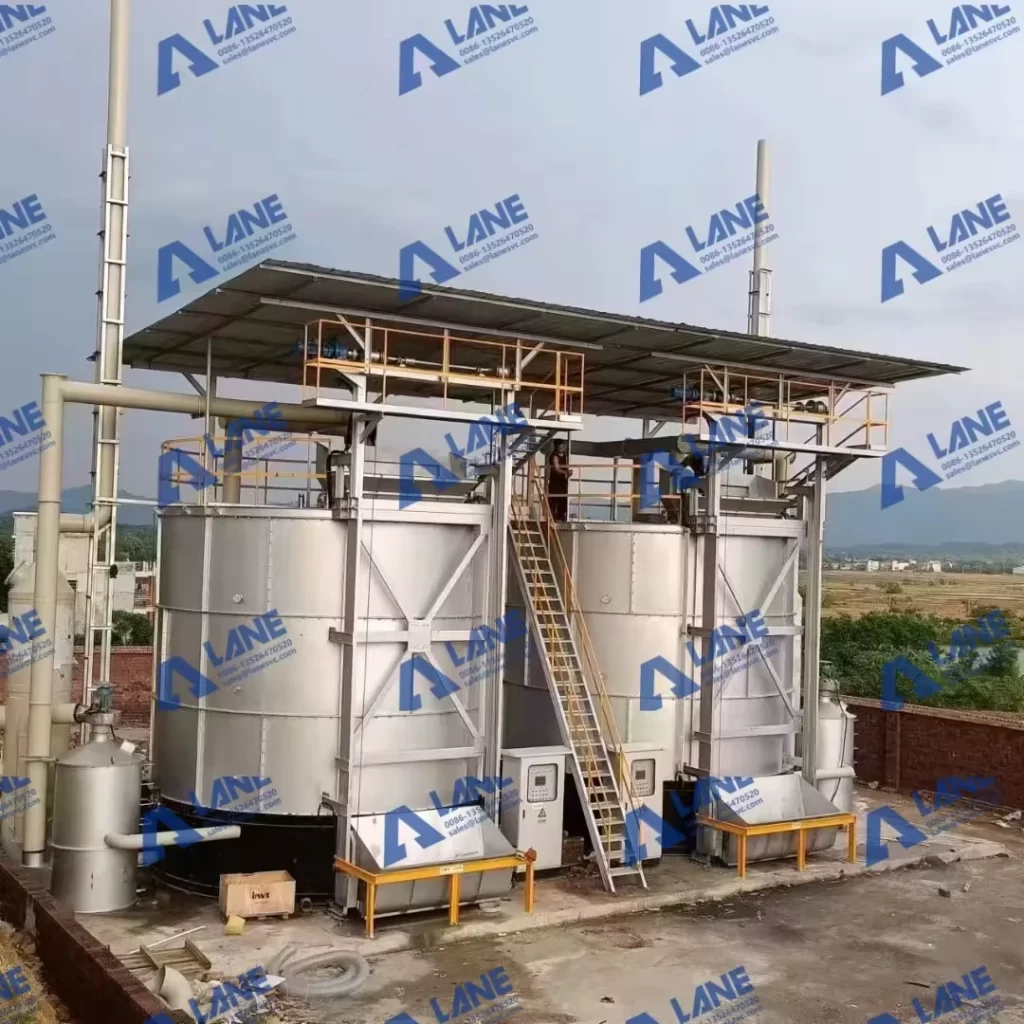
Option 1: Vertical Fermentation Tank
A vertical fermenter is ideal for enclosed, odor-free, fast-cycle fermentation.
Key features:
Advantages include faster fermentation (7–15 days), minimal odor, small land footprint, and reliable biodegradation. This system fits well in modern factory-style alfalfa fertilizer production lines.
Option 2: Compost Turner (Windrow or Groove Type)
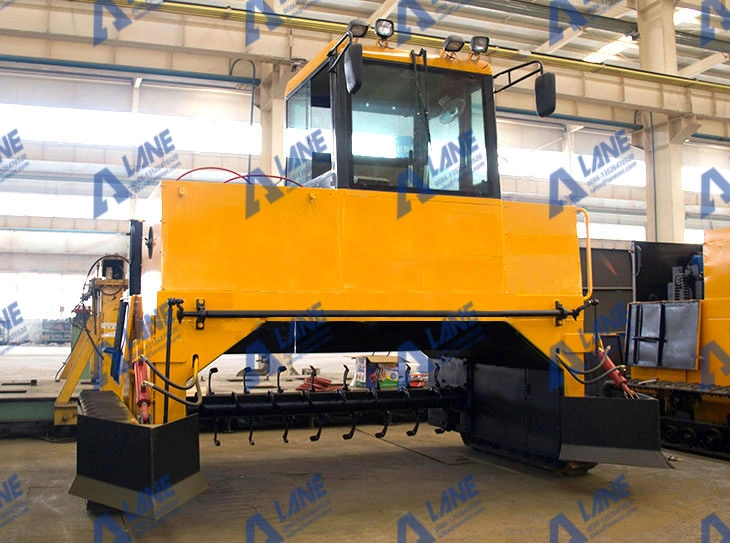
For larger outdoor operations, compost turners are efficient and cost-effective.
Crawler Turner: Suitable for long windrows; strong adaptability
Groove Turner: Ideal for continuous fermentation; high automation
Wheeled-type Turner: Covers large spans and requires minimal labor
Compost turners aerate and overturn material, ensuring proper temperature distribution and moisture balance. Fermentation typically lasts 20–30 days depending on climate and raw material composition.
Once fermentation is complete, the material may still contain clumps or fibrous segments. These inconsistencies can disrupt granulation, so secondary crushing is essential.
Common machines include:
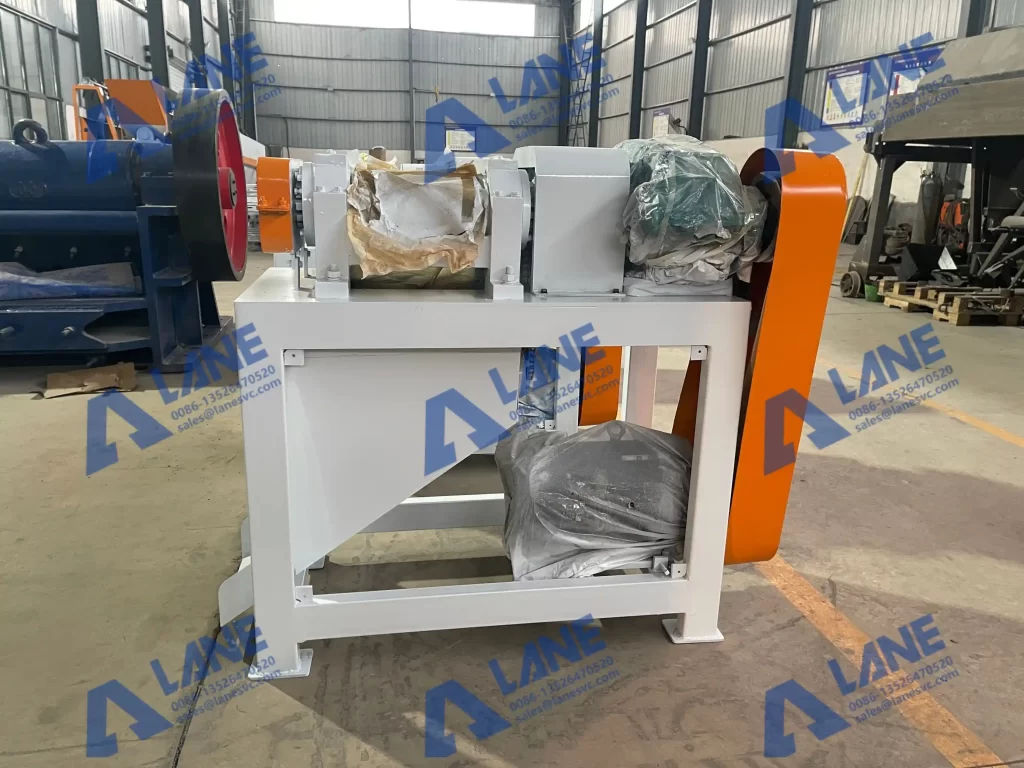
Chain Crusher for semi-moist materials
Hammer Crusher for dried materials
Double-roller Grinder for uniform particle size
A second round of mixing may also be applied at this stage, especially if additional nutrients or mineral amendments are added to enhance fertilizer quality.
Granulation transforms the fermented material into uniform, easy-to-handle pellets. This step significantly increases the commercial value of the product.
Popular granulators used in alfalfa fertilizer production:
Recommended for small and medium-scale production
Adjustable disc angle controls particle size
Produces 2–6 mm round granules
Rotary Drum Granulator
Ideal for large-scale continuous production
Stable operation with high pelletizing rate
Excellent for complex organic-mineral blends
Horizontal-Ring-Die Granulator (Compression Granulator)
Produces harder, denser pellets
Suitable for premium or slow-release products
Ensures high mechanical strength of granules
The choice depends on capacity, product specification, and production goals. Compression granulation yields firmer pellets, while disc granulation offers flexible particle size at a lower cost.
Fresh granules usually have high moisture and must be dried to below 10–12% for safe storage.
Key equipment:
Rotary Dryer
Uses hot air to evaporate moisture
The cylinder design ensures steady tumbling and uniform heating
Heat Source Options:
Natural gas burner
Biomass furnace
Steam heat exchanger
Energy efficiency is crucial, as drying is often the most energy-intensive part of alfalfa fertilizer production.
After drying, granules emerge hot and slightly softened. Cooling solidifies their structure and prevents clumping.
Cooling systems include:
Counter-Flow Cooler
Air flows opposite to granules
Highly efficient and gentle
Prevents thermal shock
Horizontal Cooler
Suitable for large, continuous production
Smooth discharge and easy maintenance
Proper cooling stabilizes fertilizer structure and improves screening efficiency.
Screening divides granules into:
Qualified products
Oversized materials (sent back for crushing)
Undersized particles (returned for re-granulation)
Rotary Drum Screens are widely used for large volumes, while Vibrating Screens are suitable for finer classification.
Uniformity improves market acceptance and strengthens the brand reputation of the finished fertilizer.
Finished fertilizer must be protected from moisture and contamination.
Common packaging solutions:
Automatic weighing and packing machines
Heat-sealing or sewing systems
Stainless steel storage tanks or silos
Automated systems ensure accuracy, reduce labor costs, and improve efficiency in alfalfa fertilizer production.
LANE has more than 20 years of experience as a specialized manufacturer of fertilizer machinery in China. The company offers:
A professional engineering team for custom production line design
Turnkey solutions including equipment manufacturing, installation, and debugging
Complete after-sales support: maintenance, troubleshooting, upgrades
ISO 9001 and CE certified quality systems
Expertise in fertilizer production lines, organic fertilizer machinery, NPK lines, and compound fertilizer machines
Competitive pricing as a direct equipment manufacturer
For businesses entering the field of alfalfa fertilizer production, LANE provides reliable, high-quality machinery and integrated service support.
Alfalfa is an impressive raw material with tremendous potential in organic fertilizer manufacturing. With proper machinery—from crushers to fermenters, granulators to dryers—producers can turn alfalfa into valuable fertilizer products suitable for vegetables, orchards, grain crops, and commercial agriculture.
The rising demand for organic and eco-friendly fertilizers makes this sector promising. A well-designed alfalfa fertilizer production line ensures efficiency, product stability, and consistent output, helping manufacturers meet market needs while maximizing profits.
For more details, please feel free to contact us.
Henan Lane Heavy Industry Machinery Technology Co., Ltd.
Email: sales@lanesvc.com
Contact number: +86 13526470520
Whatsapp: +86 13526470520